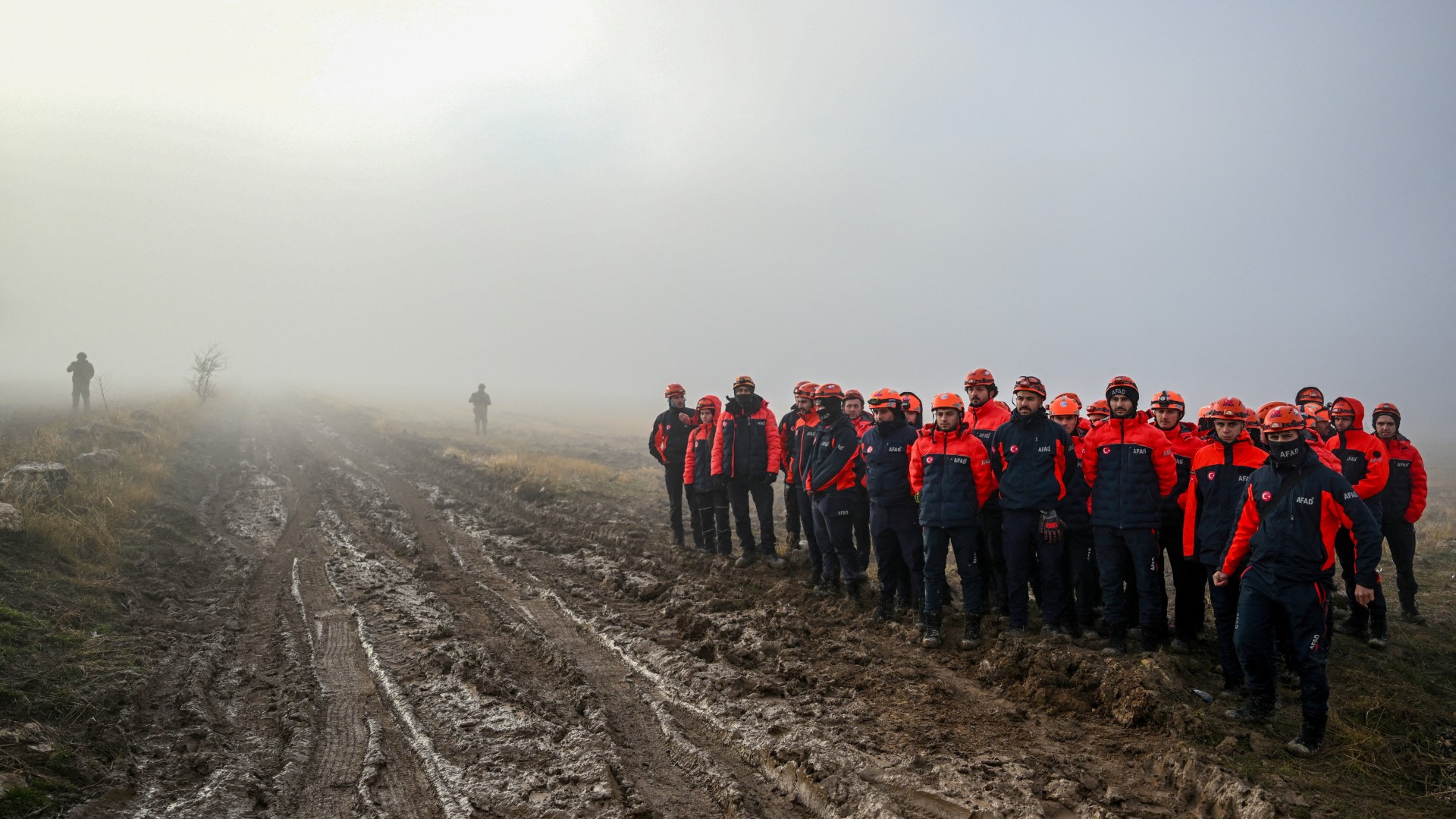
A private Dassault Falcon 50 jet carrying Libya’s military chief of staff, General Mohammed Ali Ahmed al-Haddad, and seven others crashed near Ankara on Tuesday following an emergency landing request due to electrical failure. The aircraft, which had departed from Ankara Esenboga Airport, went down near Haymana district shortly after reporting technical malfunctions to aviation authorities.
The tragic incident occurred during General al-Haddad’s official visit to Turkey, where he had just concluded meetings with his Turkish counterpart, General Selcuk Bayraktaroglu. The delegation’s demise has sent shockwaves through diplomatic circles, particularly given its timing one day after Turkey’s parliament approved a two-year extension of its military deployment mandate in Libya.
This accident unfolds against a backdrop of escalating regional tensions. Turkey has maintained substantial military and political support for Libya’s internationally recognized government since 2020, including troop deployments and a controversial maritime demarcation accord opposed by Egypt and Greece. The crash marks the latest in a series of security incidents affecting Turkey, including last month’s military cargo plane crash in Georgia that killed 20 personnel, and multiple maritime attacks on Turkish commercial vessels in the Black Sea allegedly involving Russian ‘kamikaze’ drones.
Turkish nationalist leader Devlet Bahceli characterized the timing as ‘thought-provoking,’ suggesting possible connections to deepening Turkey-Libya cooperation. While no evidence of sabotage has emerged, some analysts have speculated about potential foreign involvement, citing recent trilateral talks between Israel, Cyprus, and Greece that media outlets described as forming a ‘new front against Turkey.’
Turkish media reports have attempted to draw connections to Greece through the aircraft’s flight attendant reportedly being a Greek citizen, and the plane’s alleged previous route between Athens and Tripoli. However, aviation experts emphasize that technical investigation remains crucial. Prominent analyst Ugur Cebeci noted that pilot communications before the crash suggest possible mechanical failure rather than sabotage, though comprehensive analysis of the aircraft’s black boxes in collaboration with French manufacturer Dassault Falcon will be necessary for definitive conclusions.