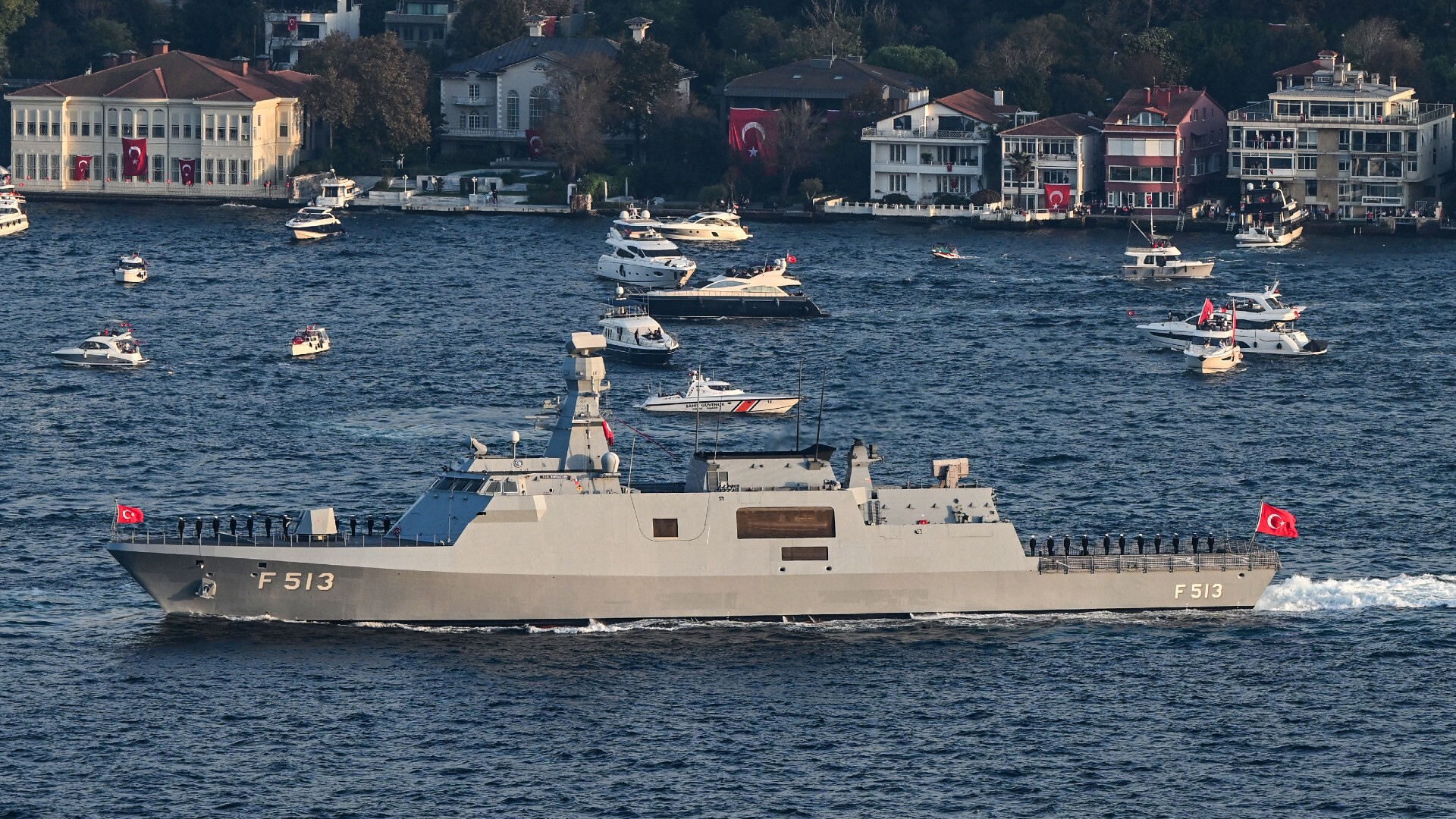
Turkey is positioned to assume a pivotal naval leadership role in Black Sea security operations as a core component of international security assurances for Ukraine. The announcement came from Turkish Foreign Minister Hakan Fidan following a high-level Coalition of the Willing summit convened in Paris on Tuesday.
Minister Fidan articulated that the Turkish Armed Forces have consistently advocated for assuming responsibility for any naval framework established during peacetime. ‘Considerable progress has been made on this,’ Fidan confirmed to journalists, emphasizing the natural fit for NATO’s predominant Black Sea naval power to oversee maritime security operations.
The Paris summit yielded significant advancements in constructing robust security guarantees for Kyiv, designed to activate following a prospective ceasefire in the Russia-Ukraine conflict. French President Emmanuel Macron corroborated Turkey’s willingness to undertake this critical security role during his press conference remarks.
According to summit agreements, the United States would spearhead a ceasefire monitoring mechanism while Britain and France formalized a declaration of intent through a trilateral agreement with Ukrainian President Volodymyr Zelensky. This arrangement envisions potential troop deployments and establishment of ‘military hubs’ on Ukrainian territory contingent upon a peace agreement.
This strategic development follows Ankara’s diplomatic recalibration last year after Moscow’s firm opposition to NATO troop presence in Ukraine. Instead, Turkey has concentrated on leading a prospective naval mission encompassing deterrent operations, maritime demining initiatives, and supporting Ukrainian naval reconstruction.
German representatives adopted a more circumspect approach, suggesting potential NATO-area presence while acknowledging the necessity for compromises given Russia’s staunch opposition to NATO troop deployments in Ukraine.
Minister Fidan revealed that both conflict parties have neared potential agreement more than at any previous point, with detailed discussions addressing the region’s postwar architecture. He characterized the emerging framework as ‘a comprehensive agreement that would go on to define Russia’s regional policies as well,’ serving as a long-term structure for Russo-European peace modalities.
Beyond military commitments, Turkey expressed strong interest in leading Ukraine’s reconstruction efforts. Fidan highlighted Turkey’s unique capabilities in economic revitalization, business expertise, and infrastructure development, positioning the nation as a primary driver of regional economic recovery post-conflict.