A significant diplomatic divergence has emerged between Turkey and Israel regarding post-war governance in Gaza, with Ankara directly contradicting Israeli Prime Minister Benjamin Netanyahu’s assertions about Turkish exclusion from security arrangements.
On Tuesday, a high-ranking Turkish official disclosed that no definitive decision had been reached concerning Turkey’s potential involvement in the Gaza international stabilization force. This statement directly challenges Netanyahu’s parliamentary declaration on Monday that Turkish and Qatari forces would play no role in the Palestinian territory’s administration.
The Turkish official, speaking to Middle East Eye on condition of anonymity, confirmed that Turkey remains actively engaged in discussions about contributing troops to the proposed international force outlined in October’s US-brokered peace initiative. “We are working on it,” the official stated, adding sarcastically: “Netanyahu also said Turkey wouldn’t be part of the Board of Peace, what happened there?”
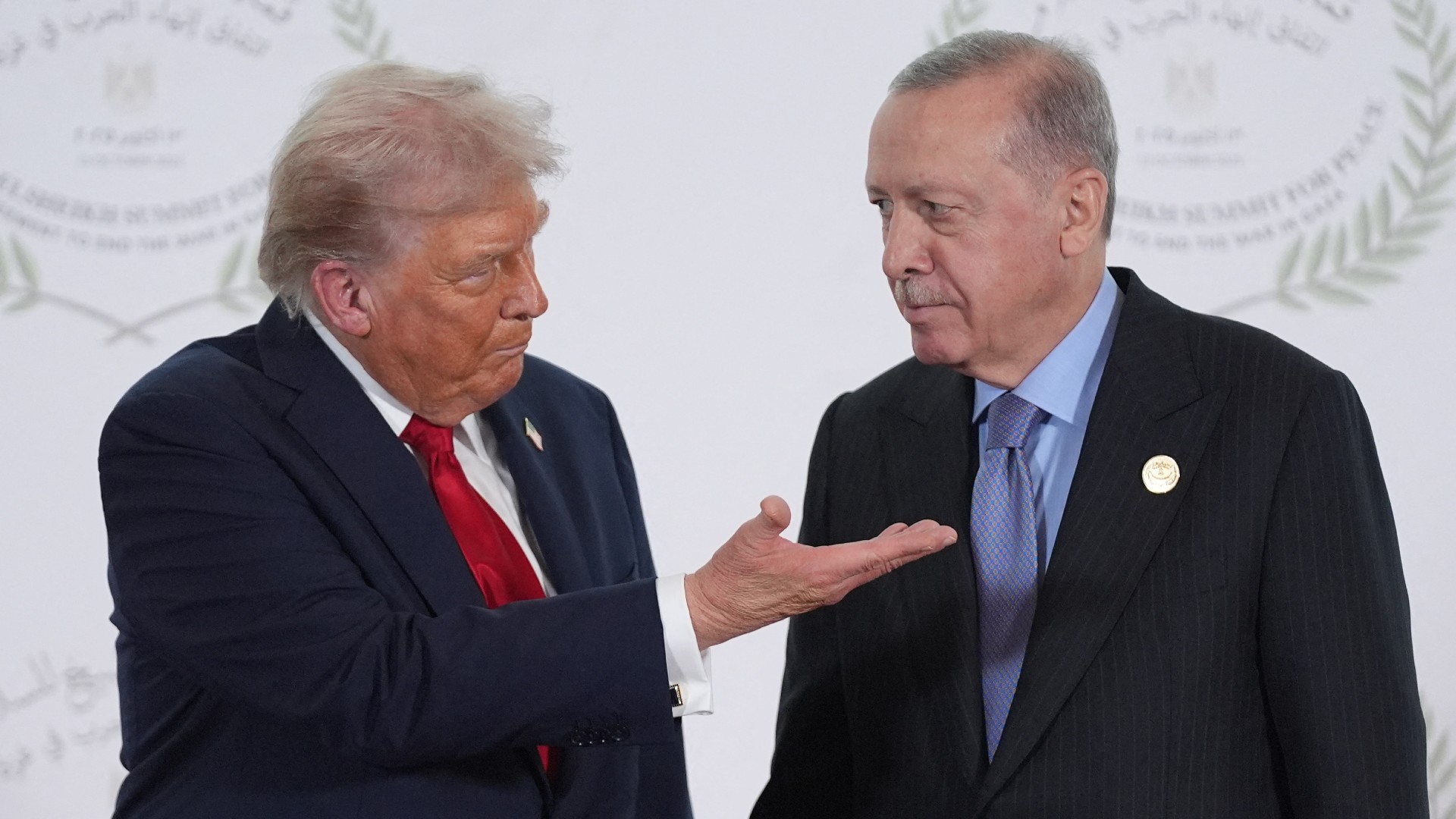
This reference concerns the recent invitation extended by US President Donald Trump to Turkish President Recep Tayyip Erdogan to join the newly formed Board of Peace. This high-level governance body, which will be chaired by Trump himself, is tasked with overseeing Gaza’s administration and reconstruction following the ceasefire agreement negotiated alongside mediator nations including Egypt, Turkey, and Qatar.
Despite Israeli objections to Erdogan’s inclusion, diplomatic sources indicate that all parties involved in the Sharm el-Sheikh negotiations will maintain representation on the Board of Peace. Additionally, Turkish Foreign Minister Hakan Fidan has been appointed to the Gaza Executive Board, which will support the National Committee for the Administration of Gaza in addressing daily operational challenges.
President Erdogan has previously emphasized Turkey’s indispensable role, stating that any governance mechanism excluding Turkey would struggle to gain trust among Palestinians. “The countries party to the Sharm el-Sheikh Declaration, including Turkey, are the most legitimate actors in this process,” Erdogan asserted earlier this month, highlighting Turkey’s unique positioning through its historical ties with Palestinians, maintained security channels with Israel, and regional influence as a NATO member nation.
The emerging governance structure—comprising the NCAG, Board of Peace, and Gaza Executive Board—appears to ensure Turkish and Qatari involvement in reconstruction efforts despite Netanyahu’s attempts to minimize their roles, revealing ongoing disagreements between Israel and the United States regarding Gaza’s post-conflict management.