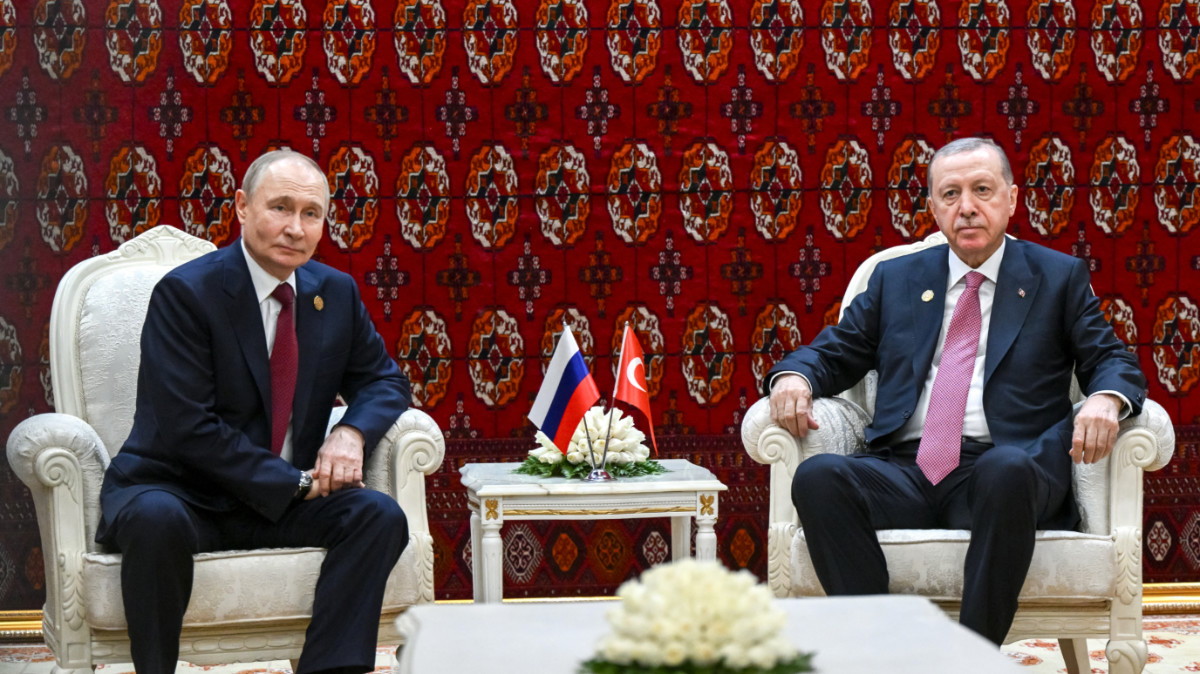
In a significant diplomatic reversal, Turkey has formally requested that Russia repatriate its S-400 air defense systems, signaling Ankara’s renewed efforts to reintegrate into the U.S. F-35 fighter jet program. This strategic pivot occurred during recent high-level discussions between Turkish President Recep Tayyip Erdogan and Russian President Vladimir Putin in Turkmenistan, according to Bloomberg reports.
The development follows confirmed negotiations between Ankara and Washington regarding Turkey’s potential return to the F-35 co-production initiative, as disclosed by U.S. Ambassador to Turkey Tom Barrack through official communications. Barrack emphasized that ongoing dialogues specifically address both Turkey’s aspiration to rejoin the advanced fighter program and its continued possession of Russian-made defense systems.
Turkey’s exclusion from the F-35 program originated in 2019 following its controversial acquisition of the S-400 system, which triggered bipartisan condemnation in the U.S. Congress. Legislators imposed substantial sanctions and embedded restrictive measures within the 2020 National Defense Authorization Act, explicitly prohibiting F-35 transfers unless Turkey verifiably divests from the Russian technology.
This request represents a notable departure from Turkey’s previous stance, which advocated maintaining the S-400 systems in dormant storage while simultaneously pursuing F-35 acquisition. Earlier proposed compromises involved storing the Russian systems under NATO inspection protocols to ensure non-activation, though Turkey had consistently rejected transferring the technology to third nations.
The geopolitical landscape has shifted considerably under the Trump administration, which has increasingly valued Turkey’s regional influence regarding Syrian operations and Hamas mediation in Gaza. According to Aaron Stein of the Foreign Policy Research Institute, the potential sale of approximately 40 F-35s to Turkey represents a substantial economic and strategic incentive for renewed cooperation, despite objections from traditional U.S. allies in the region.