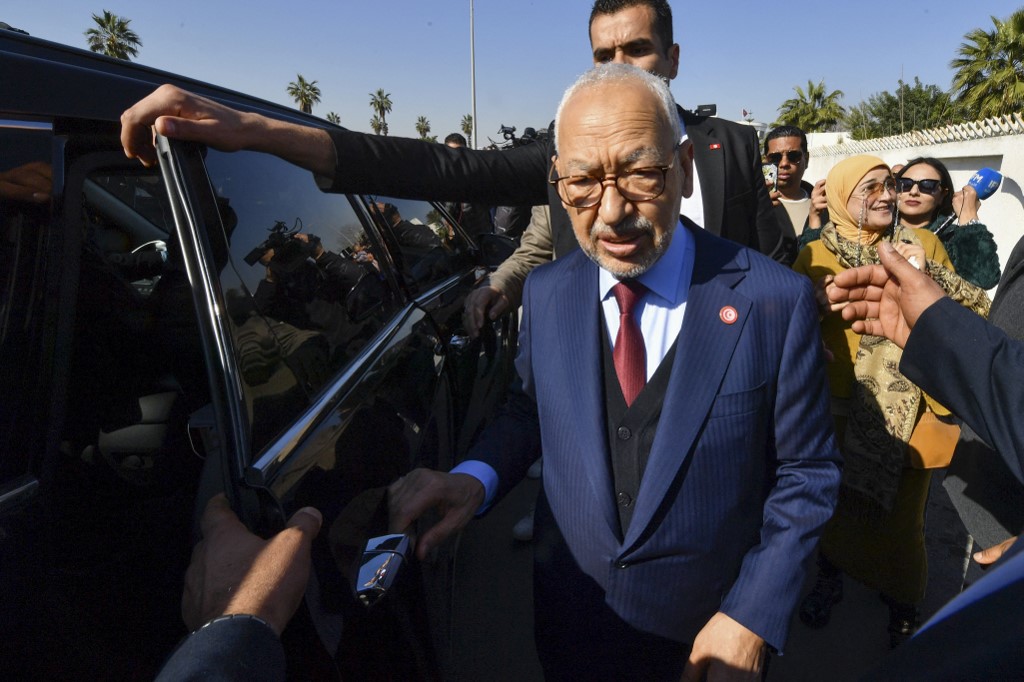
In a significant escalation of Tunisia’s political crackdown, an appeals court has increased the prison sentence of prominent opposition leader Rached Ghannouchi to 20 years. The verdict, delivered Tuesday, centers on allegations of “conspiracy against the internal security of the state” in what authorities term the “Conspiracy 2” case targeting President Kais Saied’s opponents.
Ghannouchi, who has been incarcerated since 2023, initially received a 14-year sentence. This latest judicial decision brings his cumulative prison term to over four decades. According to legal representatives, the 81-year-old intellectual has opted against appealing to the supreme court, citing profound concerns about judicial impartiality and what he characterizes as politically motivated proceedings.
The case forms part of a broader pattern of suppression since President Saied’s consolidation of executive powers in July 2021. Approximately twenty individuals face similar charges, including Saied’s former chief of staff Nadia Akacha and ex-Prime Minister Youssef Chahed, who currently resides abroad. These defendants stand accused of establishing a “secret security apparatus” allegedly operating through Ghannouchi’s Ennahda party.
Parallel sentencing developments include retired military officer Kamel Bedoui, whose punishment similarly increased from 14 to 20 years. Absentee defendants Akacha and Rafik Abdessalem (Ghannouchi’s son-in-law) received upheld sentences of 35 years imprisonment.
This ruling follows a previous major conspiracy trial concluded in November, which resulted in prison terms ranging from 5 to 45 years for 34 political opponents. Until Saied’s power consolidation, Ghannouchi’s Ennahda movement—which emerged victorious following Tunisia’s 2011 revolution—played a dominant role in the nation’s political landscape. The former parliament speaker saw his institution dissolved when Saied dismissed the prime minister and suspended legislative operations.
International and local human rights organizations have consistently condemned these proceedings as lacking due process guarantees, warning of significant democratic backsliding and erosion of civil liberties in the North African nation.