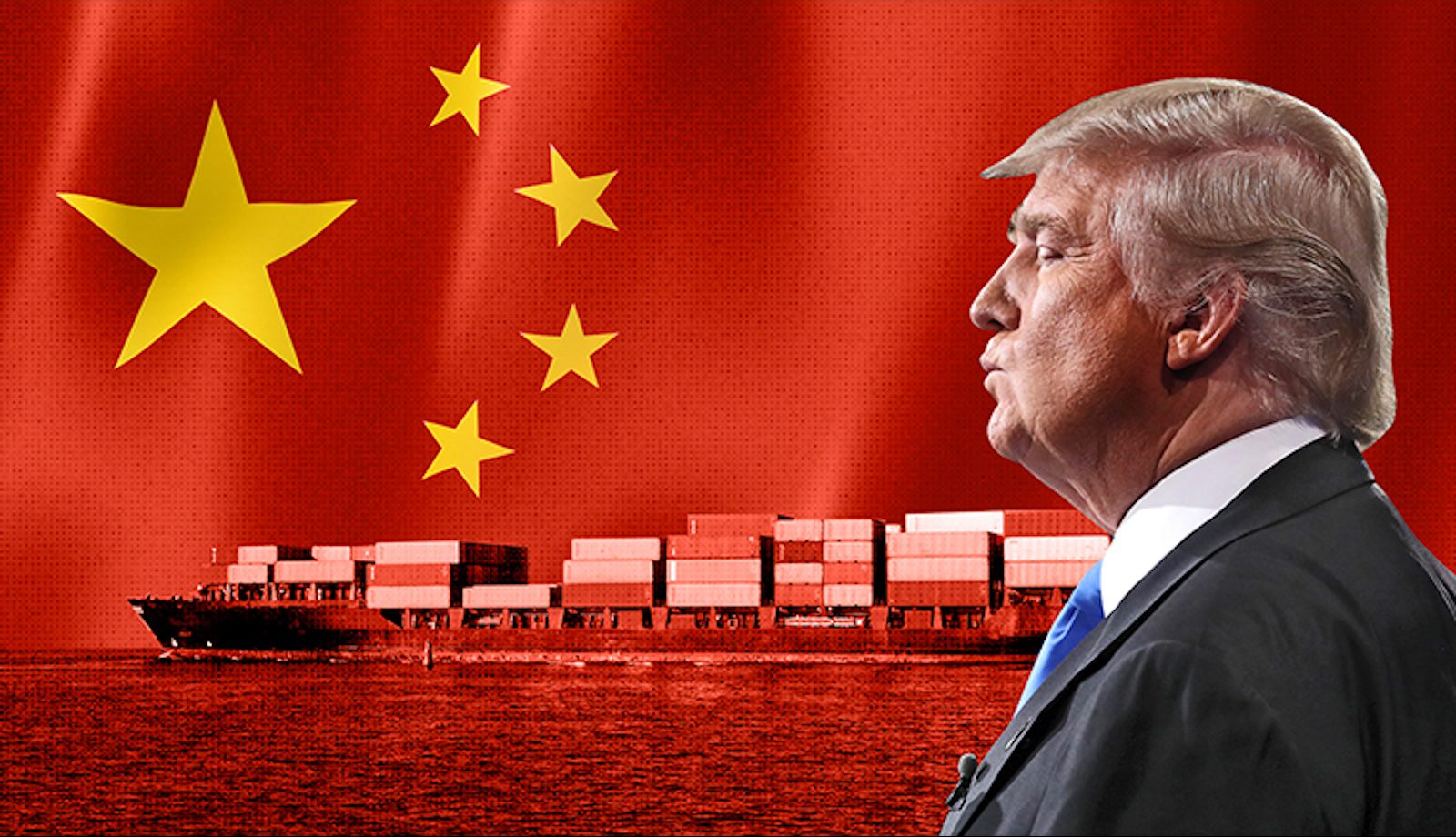
Donald Trump’s aggressive tariff policies, initially aimed at restoring American economic dominance, have instead triggered a series of unintended consequences. Rather than weakening China’s global position, these tariffs have created economic headwinds domestically, strained key alliances, and provided Beijing with opportunities to expand its influence. The average US tariff rate has surged to 18%, the highest since the 1930s, with projections indicating that US households will bear an additional $2,400 in costs by 2025. This has led to higher prices across consumer goods, from electronics to clothing. Despite a tripling of monthly tariff revenues to $29 billion by July 2025, the Congressional Budget Office warns that supply chain disruptions and rising prices will ultimately hinder economic growth. US GDP growth has already slowed to 1.2% in the first half of 2025, down from 2.8% in 2024, with manufacturing job growth stagnating and trade-related sectors suffering significant losses. California alone is projected to lose over 64,000 jobs in trade and logistics, while the Port of Los Angeles operates at just 70% capacity due to declining trade volumes. These domestic pressures have broader strategic implications, as allies and competitors alike recalibrate their relationships with an increasingly unpredictable Washington. The tariff strategy has complicated alliance relationships, with Japan and South Korea accepting modified terms to reduce tariffs to 15%, while India continues to face the full 25% tariff, leading to diplomatic tensions. This fractured alliance structure has created openings for China to offer more attractive economic incentives, positioning itself as a more stable and pragmatic partner. China has capitalized on these shifting dynamics, accelerating its dominance in clean energy technology and expanding its engagement with the Global South. Beijing’s $9 billion investment credit line to Latin America and its deepening partnerships across Africa underscore its growing influence. The US’s continued dependence on Chinese supply chains, particularly in rare earths and critical minerals, further limits its ability to confront Beijing effectively. In essence, Trump’s tariff strategy, while generating short-term revenue, risks accelerating the very shift toward Chinese centrality in the global economy that it was designed to prevent.