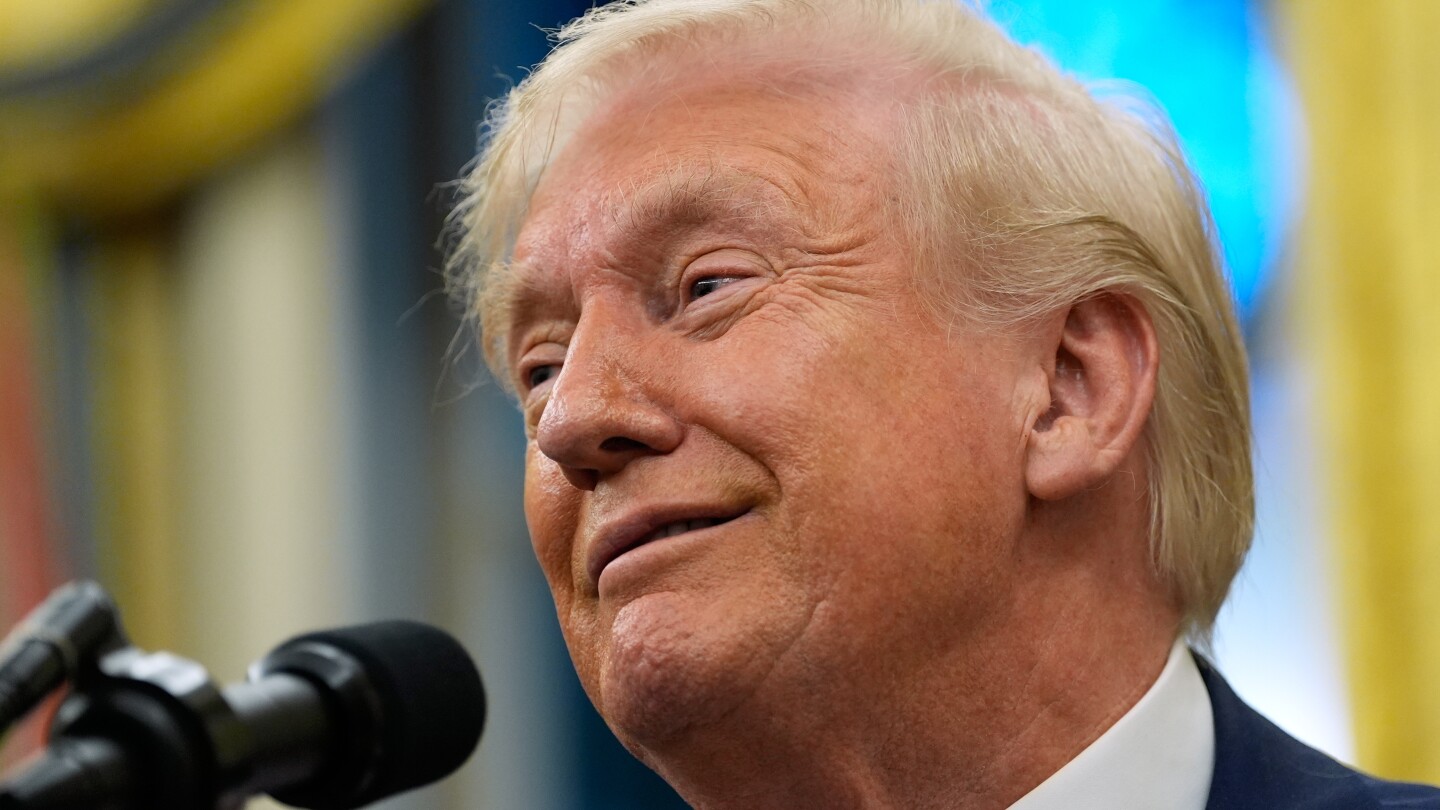
In a turn of events that left President Donald Trump empty-handed, the Nobel Peace Prize for 2024 was awarded to Venezuelan opposition leader María Corina Machado. Despite fervent lobbying from Trump’s Republican allies, world leaders, and even the president himself, the Norwegian Nobel Committee chose to recognize Machado for her relentless efforts to promote democratic rights in Venezuela and her struggle for a peaceful transition from dictatorship to democracy. Machado, in a gracious gesture, dedicated her win to Trump, acknowledging his support for her cause. Her campaign manager confirmed that Trump congratulated her in a phone call shortly after the announcement. At the White House, Trump expressed a mix of disappointment and pride, recounting how Machado had honored him during her acceptance speech. He also suggested that the award might have been intended for 2024 achievements, hinting at his ongoing political ambitions. The White House, however, initially struck a sour note, with Communications Director Steven Cheung accusing the Nobel Committee of prioritizing politics over peace, particularly in light of the recent Gaza ceasefire deal brokered by the Trump administration. Trump’s long-standing desire for the Nobel Peace Prize has been a recurring theme throughout his presidency, with his supporters citing his role in brokering the Abraham Accords and other diplomatic efforts. Yet, the committee’s decision underscores the complex and often contentious nature of global peace initiatives. The Nobel Peace Prize, established in 1901 to honor those who advance fraternity among nations and promote peace, has been awarded to three sitting U.S. presidents in the past. Trump’s detractors argue that his nominations are often politically motivated, aimed at currying favor rather than recognizing genuine contributions to peace. Meanwhile, global reactions to the decision have been mixed, with some leaders, including Israeli Prime Minister Benjamin Netanyahu and Belarusian President Alexander Lukashenko, voicing their support for Trump. Russian President Vladimir Putin, while refraining from direct judgment, praised the Gaza ceasefire deal and criticized past Nobel Committee decisions. As Trump continues to push for peaceful resolutions to conflicts abroad, his domestic policies remain deeply divisive, reflecting the broader political polarization in the United States.
Trump’s quest for the Nobel Peace Prize falls short again despite high-profile nominations