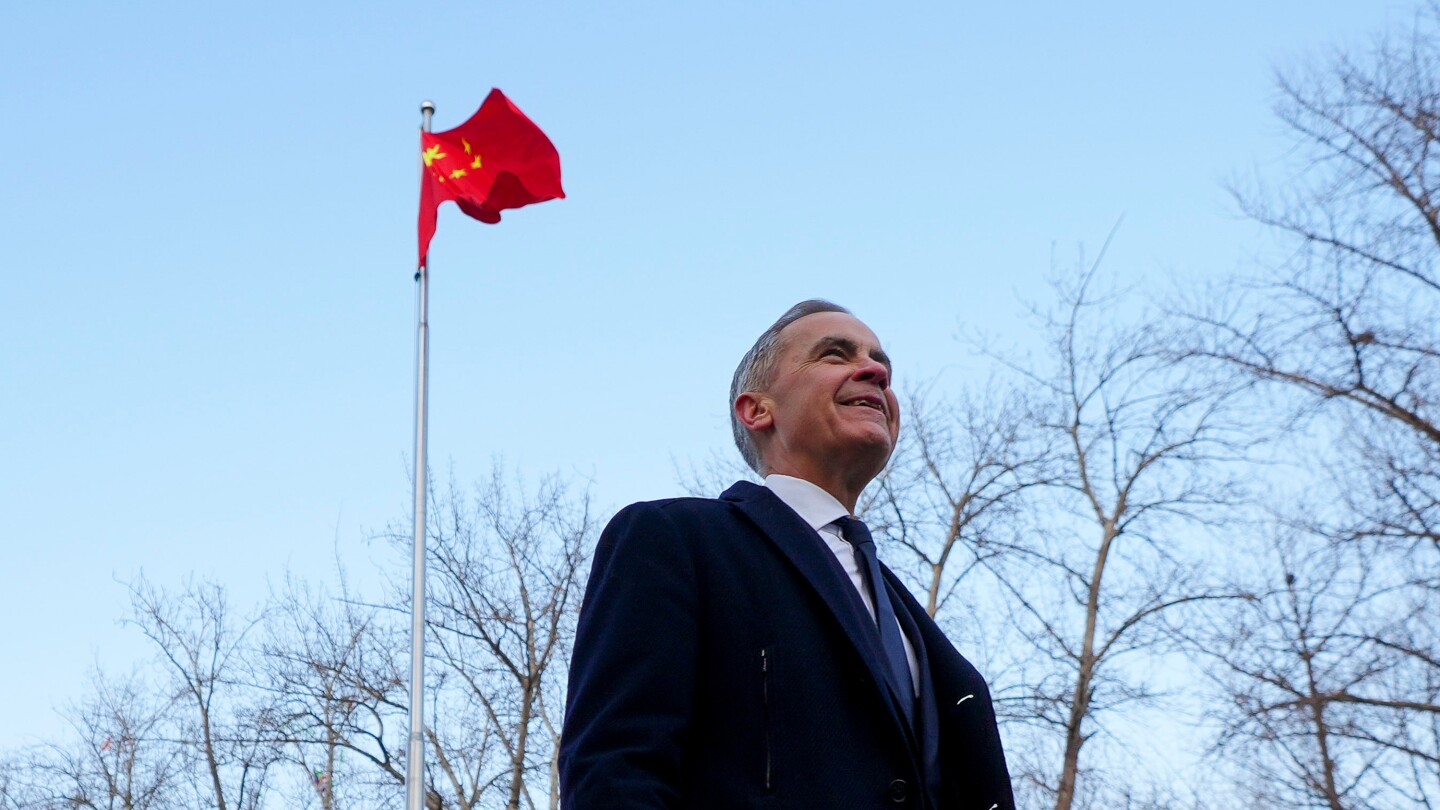
In a significant shift in global trade dynamics, key U.S. allies are actively diversifying their economic partnerships in response to the Trump administration’s aggressive tariff policies. Canada has taken a landmark step by dramatically reducing its 100% import tariff on Chinese electric vehicles, securing in return substantially lower Chinese tariffs on Canadian agricultural exports, particularly canola seeds.
This strategic pivot reflects a fundamental recalibration of Canada’s economic priorities. Trade expert Edward Alden of the Council on Foreign Relations notes, ‘The economic threat from the United States is now perceived by Canadians as far bigger than the economic threat from China. This represents a substantial declaration of realignment in Canada’s economic relations.’
The Canadian decision comes amid persistent trade tensions with the United States, including maintained tariffs on Canadian steel and aluminum exports. Prime Minister Mark Carney’s government has made a calculated gamble in pursuing closer ties with Beijing, despite historical tensions including past diplomatic incidents involving detained citizens.
This trend extends beyond North America. The European Union is finalizing a major trade agreement with Mercosur, the South American trading bloc, while simultaneously pursuing enhanced trade relations with India. China, meanwhile, has successfully diversified its export markets away from the United States, achieving a record $1.2 trillion global trade surplus in 2025 despite reduced exports to the American market.
The Trump administration has fundamentally overhauled seven decades of U.S. trade policy, implementing double-digit tariffs on imports from nearly every nation while targeting specific industries with additional levies. While the administration claims these measures protect American industries and generate Treasury revenue—pointing to Taiwan’s agreement to invest $250 billion in the United States in exchange for tariff reductions—many allies view the approach as unpredictable and arbitrary.
The Canadian-Chinese agreement has drawn domestic criticism, particularly from Ontario Premier Doug Ford, who warned that ‘China now has a foothold in the Canadian market and will use it to their full advantage at the expense of Canadian workers.’ However, the agreement includes limitations, capping Chinese EV exports at 49,000 vehicles initially with a reduced 6.1% tariff, gradually increasing to approximately 70,000 over five years.
The most significant risk for Canada remains the impending renegotiation of the USMCA trade pact with the United States. Analysts suggest the Chinese agreement could complicate these talks, potentially provoking retaliatory measures from the Trump administration. Nevertheless, Canada appears to be signaling its readiness to explore alternatives rather than make ‘humiliating compromises to serve only American interests,’ according to trade economist Mary Lovely of the Peterson Institute for International Economics.