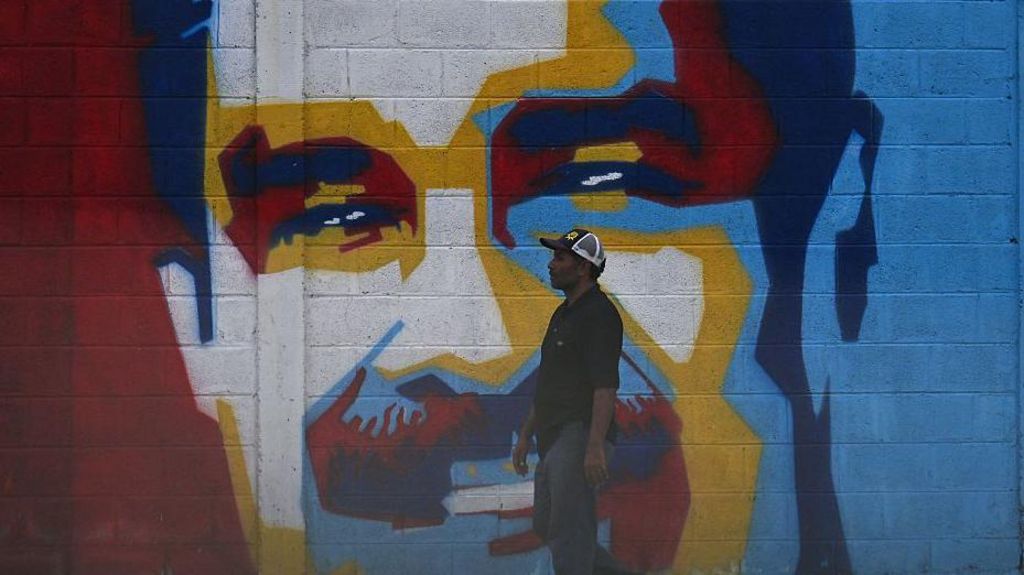
Venezuela experienced a seismic shift in its political landscape as US military forces executed a dramatic intervention in Caracas, culminating in the capture and extradition of President Nicolás Maduro. The operation, authorized by President Donald Trump, represents the most significant direct military action in Latin America since the 1989 invasion of Panama.
In the pre-dawn hours, residents of Venezuela’s capital were jolted awake by thunderous explosions as US strikes targeted key military installations, including Fuerte Tiuna, one of the nation’s largest military bases. The coordinated attacks disabled critical defense infrastructure before special operations units moved to apprehend Maduro, who now faces serious weapons and drug trafficking charges in US jurisdiction.
This intervention follows months of escalating US military presence in the region, comprising warplanes, thousands of troops, helicopters, and the world’s largest warship. The Trump administration has consistently characterized Maduro’s government as a criminal trafficking organization, designating the ‘Cartel de los Soles’ – a network of Venezuelan elites allegedly orchestrating illegal activities – as a foreign terrorist group.
The operation validates long-standing assertions by Caracas that Washington ultimately sought regime change, particularly after the US refused to recognize Maduro’s victory in the widely criticized 2024 elections. Venezuelan officials have additionally accused the United States of attempting to appropriate the nation’s vast oil reserves, the largest globally, citing recent seizures of Venezuelan oil tankers.
While hawkish elements within the US administration celebrate Maduro’s removal as a major victory, the intervention raises complex questions about Venezuela’s political future. The country remains deeply divided, with Maduro’s government maintaining control over the judiciary, Supreme Court, military, and powerful paramilitary groups known as ‘colectivos.’
Potential succession scenarios involve opposition figures Maria Corina Machado, a Nobel Peace Prize winner, or Edmundo Gonzalez, the opposition candidate from the 2024 elections. However, analysts warn that transition may trigger violent fragmentation and prolonged power struggles, reminiscent of historical US-backed coups in Latin America during the 20th century.
The operation also creates diplomatic tensions with regional powers including Brazil and Colombia, which have expressed opposition to military intervention, while testing the loyalty of Trump’s domestic base that previously advocated ‘America First’ non-interventionism.