A significant diplomatic schism has emerged between former U.S. President Donald Trump’s political movement and its traditional European far-right allies, triggered by growing concerns over American interventionism. The fracture became particularly evident through widespread condemnation of Trump’s proposed acquisition of Greenland, which multiple European nationalist leaders characterized as a hostile act threatening national sovereignty.
Despite previous ideological alignment demonstrated during the ‘Make Europe Great Again’ gathering in Madrid less than a year ago, prominent figures including France’s National Rally president Jordan Bardella, Italy’s Prime Minister Giorgia Meloni, and Reform UK’s Nigel Farage have publicly criticized Trump’s approaches to Greenland, Venezuela, and Iran. Bardella specifically denounced what he termed ‘commercial blackmail’ regarding Greenland, while Meloni directly informed Trump that his tariff threats represented ‘a mistake.’
The divergence highlights a fundamental tension within the trans-Atlantic nationalist alliance, where shared ideological convictions on immigration and sovereignty appear insufficient to overcome concerns about American overreach. This development occurs amidst substantial gains by far-right parties across the European Union, which now hold approximately 26% of seats in the European Parliament according to security analyses.
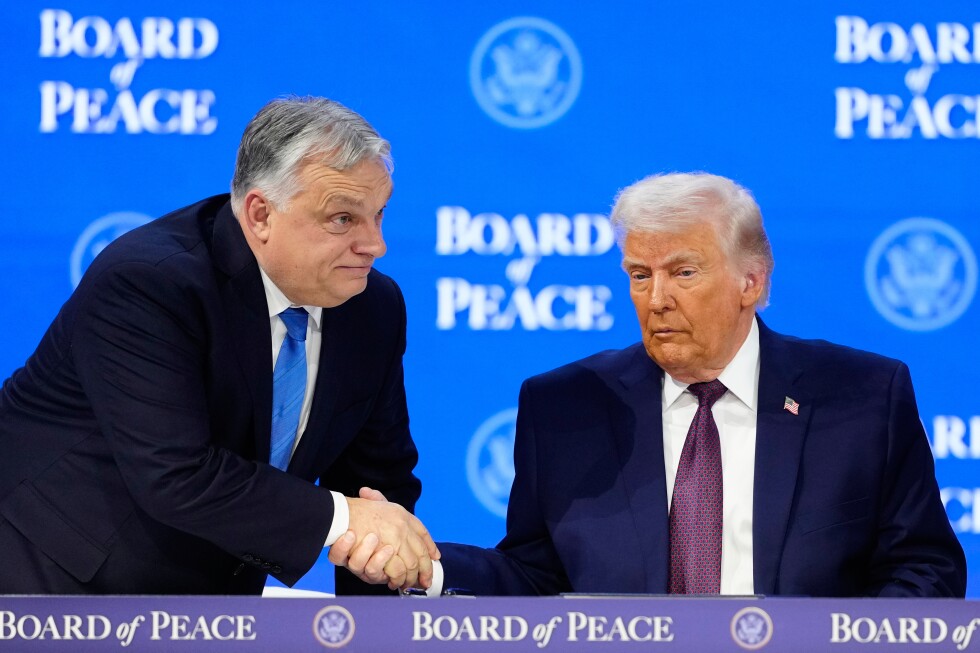
Not all European nationalist leaders have joined the criticism, however. Hungarian Prime Minister Viktor Orbán, facing his most challenging election in sixteen years, has carefully avoided criticizing Trump, instead positioning the former president as Europe’s best hope for peace in Ukraine and a guarantor of national sovereignty. Similar restraint has been observed among Eastern European allies including Poland’s President Karol Nawrocki and Czech Prime Minister Andrej Babiš, who cautioned against allowing the Greenland issue to escalate into broader EU-U.S. conflict.
Analysts suggest this division within the trans-Atlantic nationalist movement may force a recalibration of political alliances, with cooperation potentially continuing on shared grievances such as opposition to EU migration policies and trade agreements, while sovereignty concerns create enduring fractures regarding American foreign policy approaches.