PARIS (AP) — In a stark demonstration of deteriorating transatlantic relations, U.S. President Donald Trump’s demands for military assistance in the Iran conflict have been met with resounding rejection from traditional allies. The president, adopting a transactional approach to international relations, has attempted to leverage decades of U.S. security guarantees to compel allied nations to contribute naval forces to secure the Strait of Hormuz—a critical maritime passageway for global oil transportation.
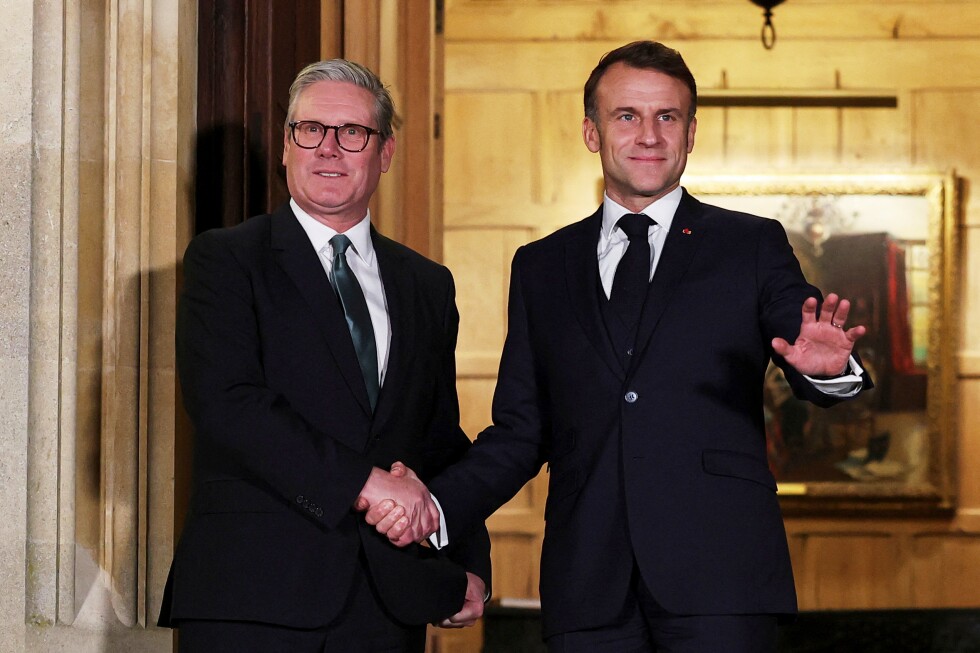
The response from European powers has been notably unified in its opposition. The United Kingdom, historically America’s closest military partner, has explicitly refused involvement in what Prime Minister Keir Starmer characterized as a conflict ‘with no clear endgame.’ British officials have emphasized that any military deployment would require both international legal justification and a comprehensive strategic plan, neither of which they believe currently exists.
France has adopted a similarly cautious position, with President Emmanuel Macron stating that while naval escorts might be considered feasible eventually, such operations would only be viable after active combat subsides. Germany’s Defense Minister Boris Pistorius echoed this sentiment, asserting that European nations seek diplomatic solutions rather than military escalation.
The widespread refusal follows months of diplomatic strain between the Trump administration and European allies. Recent tensions have included trade disputes, controversial remarks about allied military contributions in Afghanistan, and renewed American interest in acquiring Greenland—all contributing to what analysts describe as historically low levels of goodwill toward the current U.S. administration.
Retired Lt. Gen. Ben Hodges, former commanding general of the U.S. Army in Europe, observed that European leaders are increasingly recognizing that diplomatic appeasement strategies toward Trump yield limited benefits. This shift represents a fundamental transformation in how traditional allies perceive American leadership on the global stage.
Despite possessing potential leverage through European dependence on Middle Eastern energy exports and need for continued U.S. support regarding Ukraine, Trump’s demands have thus far failed to generate the desired international coalition. The administration now faces the prospect of managing an escalated Middle Eastern conflict with notably limited international military support.