International responses to U.S. President Donald Trump’s appeal for a multinational naval coalition to secure the Strait of Hormuz remained notably non-committal on Sunday, as escalating Middle East tensions continue to disrupt global oil supplies. The strategic waterway, typically handling 20% of worldwide oil exports, has become a focal point in the ongoing Iran conflict.
Despite Energy Secretary Chris Wright’s expressed confidence in China becoming “a constructive partner” in reopening the vital shipping lane, no concrete commitments emerged from the nations contacted. Meanwhile, Iranian Foreign Minister Abbas Araghchi revealed that Tehran has granted passage to vessels from “different countries” while maintaining the strait’s closure to U.S. and allied ships.
The diplomatic stalemate persists amid Araghchi’s firm stance against negotiations with Americans, citing coordinated U.S.-Israeli attacks on February 28 that occurred during indirect nuclear talks. The foreign minister explicitly stated Iran has “no plan to recover” enriched uranium damaged in last year’s attacks.
European and Asian responses reflected cautious deliberation. U.K. Energy Secretary Ed Miliband emphasized that ending the war represents the “best and surest” solution, while South Korea’s Foreign Ministry acknowledged it would “closely coordinate and carefully review” the situation. France previously discussed potential international escort missions with European and Asian partners, though only when “circumstances permit.”
The International Energy Agency announced emergency measures to stabilize markets, increasing its planned oil stock release from 400 million to nearly 412 million barrels—described as “by far the largest ever” collective action. Asian members will release stocks immediately, with European and American reserves following from late March.
Regional violence intensified with Gulf Arab states reporting new missile and drone attacks, following Iran’s unprecedented threat against United Arab Emirates ports. Bahrain, Saudi Arabia and the UAE activated defense systems against incoming projectiles, while Iran accused the U.S. of launching strikes from Emirati territory—a claim both U.S. Central Command and UAE officials denied.
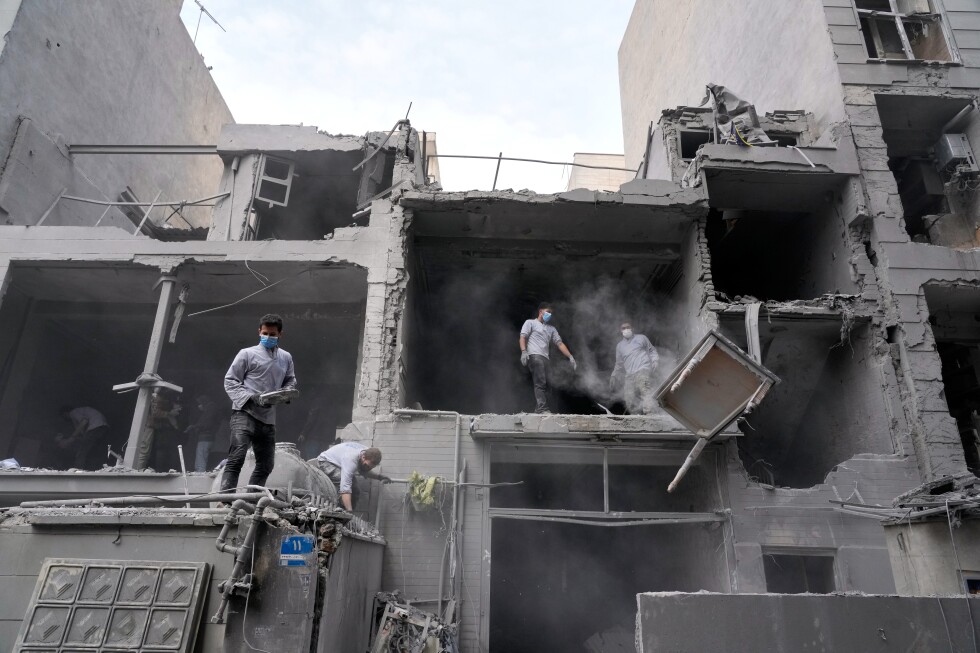
Humanitarian costs mounted across the region, with the International Committee of the Red Cross reporting over 1,300 fatalities in Iran alone, including 223 women and 202 children. Israeli authorities confirmed 12 deaths from Iranian missile strikes, while at least 13 U.S. military personnel have perished—including six in a recent Iraq plane crash. Lebanon’s Health Ministry documented 820 fatalities since Hezbollah began strikes against Israel, displacing approximately 800,000 people amid severe weather conditions.
Military analysts note Iran’s evolving tactics, including use of cluster bombs capable of evading air defenses and striking multiple locations simultaneously, as evidenced by damage across 23 sites in central Israel and Tel Aviv.