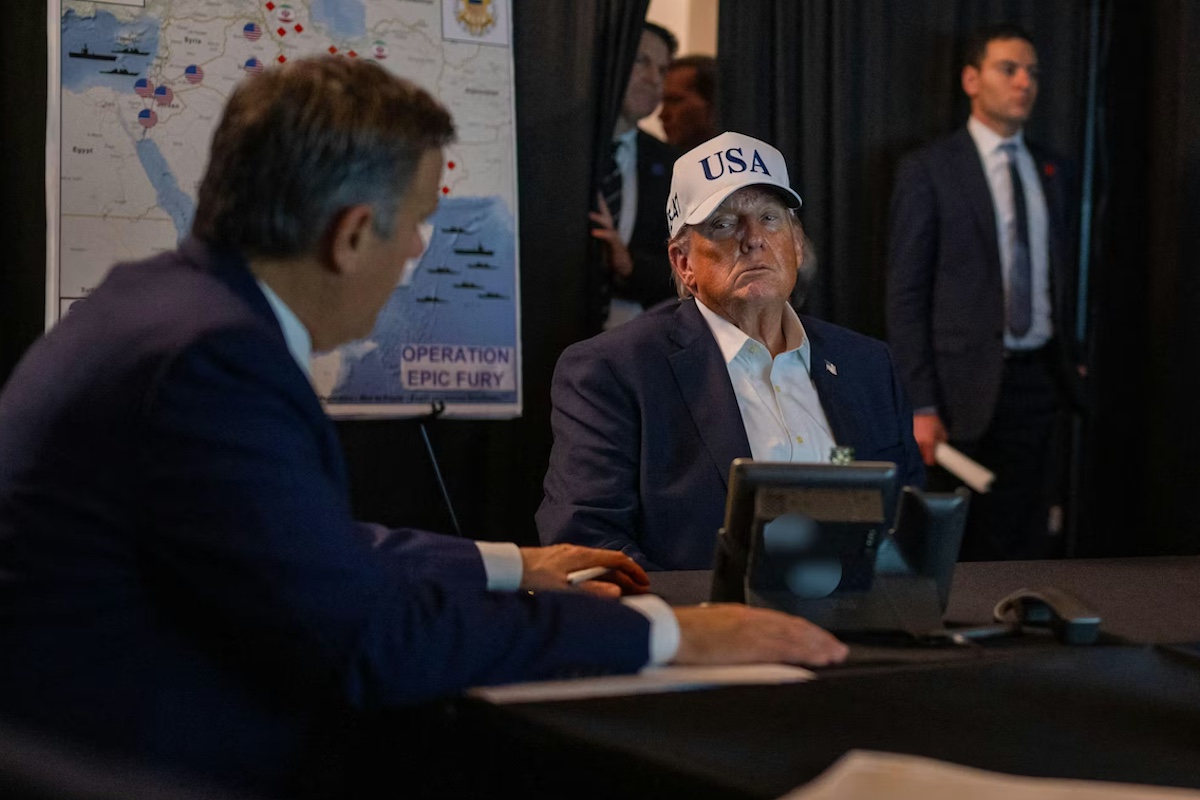
In a revealing moment of candor, former US President Donald Trump characterized the confrontation with Iran as “a big chess game at a very high level” involving “very smart players” with “high-level intellect.” This acknowledgment stands in stark contrast to Washington’s current approach of resurrecting a previously rejected 15-point plan that Tehran had already dismissed as unrealistic and coercive a year earlier.
The administration’s renewed push for this roadmap to de-escalation has been met with Iranian dismissal, with Tehran characterizing it as Washington “negotiating with itself.” This disconnect highlights a fundamental strategic misunderstanding of Iran’s capabilities and position in the region.
Unlike previous adversaries in Middle Eastern conflicts, Iran represents a deeply embedded regional power with resilient institutions, extensive influence networks, and sophisticated asymmetric capabilities. The conflict has exposed critical flaws in the assumption that overwhelming military force can compensate for strategic miscalculation.
The war faces mounting legitimacy challenges, lacking authorization from either the United Nations or the US Congress. Recent intelligence assessments further undermine Washington’s justification, indicating Iran was not rebuilding its nuclear program following earlier strikes.
The resignation of National Counterterrorism Center head Joe Kent, who insisted Iran “posed no imminent threat,
has further damaged the war’s narrative foundation. Domestic support is weakening, with polls showing majority opposition and Republican electoral prospects diminishing ahead of midterm elections.
International allied support is similarly eroding. The United Kingdom has limited involvement to defensive coordination, while Germany and France have distanced themselves from offensive operations. European allies notably declined a US request to deploy naval forces to secure the Strait of Hormuz, reflecting deteriorating trust in American leadership.
The conflict has triggered significant economic consequences, destabilizing global markets and driving oil prices and inflation to levels reminiscent of historical energy crises. The potential deployment of additional thousands of US troops to secure Iranian oil infrastructure represents a dangerous escalation that could further fragment the global order.
Gulf states are increasingly questioning US security guarantees, with some reportedly seeking diversified partnerships with China and Russia—a strategic shift mirroring post-Iraq war realignments.
Iran’s strategic position strengthens as the conflict prolongs. Operating under asymmetric warfare principles, Tehran need not achieve military victory but simply endure, impose costs, and outlast its adversaries. This dynamic is already visible as the US appears to be seeking diplomatic off-ramps from a position of diminishing leverage.
The ultimate outcome may hinge not on battlefield successes but on broader considerations of legitimacy, stability, and long-term influence—areas where current trajectories suggest the US and Israel are facing significant strategic setbacks.