In a significant diplomatic engagement, Chinese President Xi Jinping and U.S. President Donald Trump convened for their first face-to-face meeting in six years during talks in South Korea. President Trump emerged from the discussions expressing exceptional optimism, rating the encounter a “12 on a scale of 1 to 10” and announcing forthcoming reductions in U.S. tariffs on Chinese imports. In reciprocal arrangement, China committed to enhanced American access to rare earth minerals—critical components in high-technology manufacturing.
The Chinese response, conveyed through a foreign ministry statement, struck a more measured tone, noting that both leaders had “exchanged views on important economic and trade issues” while expressing Xi’s willingness to “continue working with Trump to build a solid foundation for China and the US.” This diplomatic caution reflects Beijing’s ongoing concerns about the Trump administration’s unpredictability and its potential impact on China’s economy.
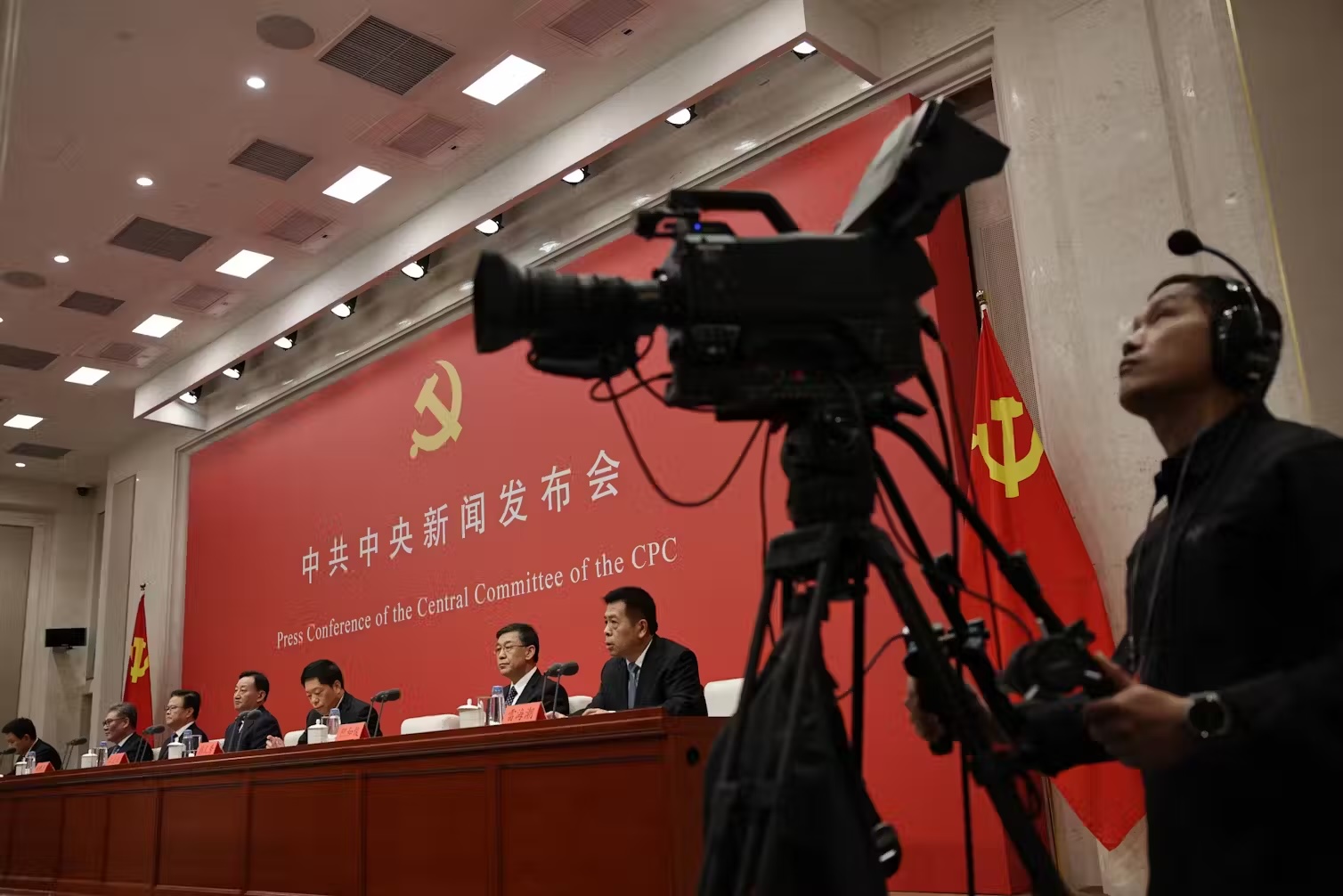
The summit occurred against the backdrop of China’s fundamental economic recalibration, following the Chinese Communist Party’s Fourth Plenum which established self-reliance as the nation’s primary development priority. This strategic shift responds to multiple challenges: a pronounced economic slowdown, a devastating 2021 property market collapse that wiped out wealth for millions of citizens, and persistent trade tensions with the United States that have disrupted China’s export-dependent growth model.
Historically, China’s economic miracle relied on two pillars: massive infrastructure and real estate investment, and manufactured goods exports. Both engines have now stalled. Investment has plateaued while the trade war with America—China’s largest export market—has created sustained uncertainty, exacerbated by Trump’s imposition of 145% tariffs on most Chinese goods upon returning to office in January 2025.
In response, Chinese officials are attempting to pivot toward domestic consumption-driven growth through improved job opportunities, healthcare, and social benefits. However, this transition faces substantial obstacles including weak social safety nets that encourage precautionary savings, and heavily indebted local governments with limited capacity to fund public services.
Concurrently, China pursues technological leadership in AI and advanced computing by 2035—another domain where self-reliance has become imperative due to sweeping U.S. technology restrictions. Despite the recent diplomatic engagement, American limitations on semiconductor exports remain largely intact, with Trump explicitly excluding China from accessing Nvidia’s most advanced Blackwell chips.
The rare earth minerals concession represents a strategic victory for Beijing, which had imposed export restrictions in October apparently to strengthen its negotiating position. For Xi Jinping, whose political legitimacy rests heavily on economic performance and nationalist sentiment, such tangible successes are crucial amid growing economic challenges that threaten even his considerable authority.