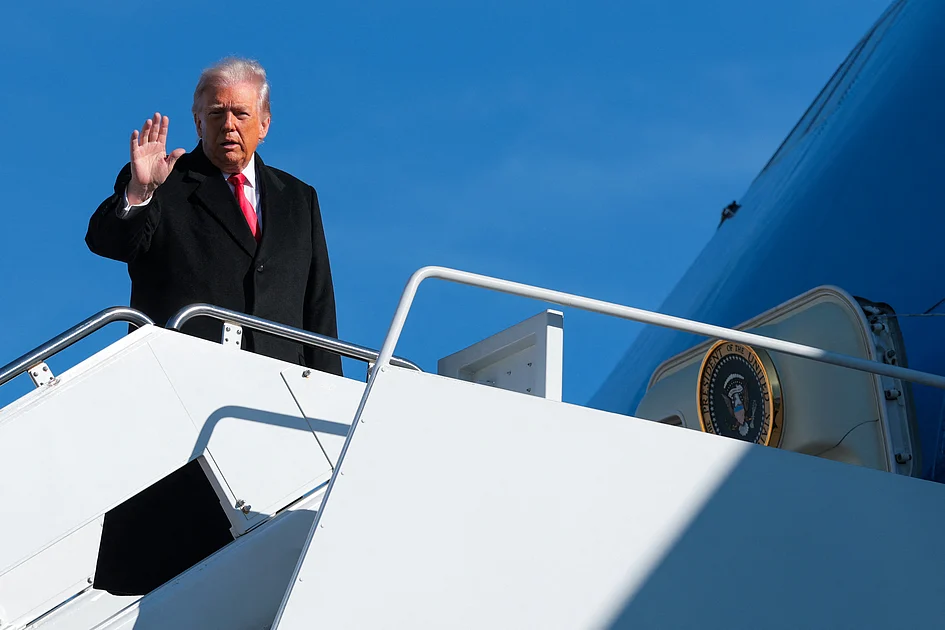
In a significant escalation of tensions, former US President Donald Trump has issued a stark warning to Iranian authorities regarding their handling of widespread protests. Trump declared that the United States would implement “very strong action” should Iran proceed with threatened executions of demonstrators, though he provided no specific details about potential measures.
The confrontation emerges amid one of the most substantial challenges to Iran’s clerical leadership in years. According to human rights organizations, the government crackdown has likely resulted in thousands of fatalities during protests that have persisted for multiple nights across the nation. Iran Human Rights (IHR), a Norway-based NGO, has confirmed 734 deaths, including nine minors, while cautioning that the actual toll is probably substantially higher due to reporting limitations.
Iranian officials have responded defiantly to international pressure. The country’s UN mission characterized American warnings as part of a longstanding “playbook” rooted in regime change fantasies, asserting that such tactics would “fail again.” Tehran prosecutors have indicated they will pursue capital charges of “moharebeh” (waging war against God) against some detained protesters.
The situation on the ground remains tense despite government claims of restored control. Verified social media footage shows bodies lined up in morgues near Tehran, with distraught families searching for missing relatives. While international phone connections were partially restored Tuesday, internet access remains severely restricted after a five-day blackout that rights groups say masks the true scale of the crackdown.
European nations have joined the international condemnation, with France, Germany, the UK, and the European Union summoning Iranian ambassadors. EU Chief Ursula von der Leyen described the rising casualties as “horrifying” and promised additional sanctions against those responsible.
Analysts note these protests represent perhaps the most serious challenge to the Islamic Republic in recent history, both in scale and explicitly political nature. However, experts caution against predicting the immediate collapse of the system, citing the regime’s extensive repressive capabilities and the resilience of institutions like the Revolutionary Guard Corps.