Despite sweeping campaign pledges to dramatically expand U.S. fossil fuel production, President Donald Trump’s first year in office has yielded mixed results for the energy sector. While the administration has successfully dismantled numerous environmental regulations and delivered substantial tax benefits to oil companies, actual production increases have remained modest and failed to generate promised job growth or consumer price reductions.
Energy economists report that current oil output of approximately 13.9 million barrels per day represents only a slight increase from the record 13.4 million barrels achieved during the Biden administration. This incremental growth stems primarily from improved operational efficiency rather than new drilling initiatives. Meanwhile, crude prices have declined from $75 to below $60 per barrel since Trump took office.
The administration’s policy approach has produced significant contradictions. While implementing tariffs that raised costs for essential drilling materials like steel and aluminum, Trump simultaneously signed legislation delivering nearly $6 billion in annual tax breaks to major fossil fuel companies. His administration has opened millions of acres in Alaska’s Arctic National Wildlife Refuge to drilling and moved to strike down pollution controls on power plants and industrial facilities.
Consumer energy costs have moved contrary to Trump’s campaign promises. Gasoline prices averaged $3.069 per gallon—virtually unchanged from year-ago levels—while household electricity bills have increased 11% nationally. Environmental groups estimate the repeal of climate regulations could add 22-32 billion metric tons of greenhouse gases to the atmosphere by 2055, with associated health and economic consequences.
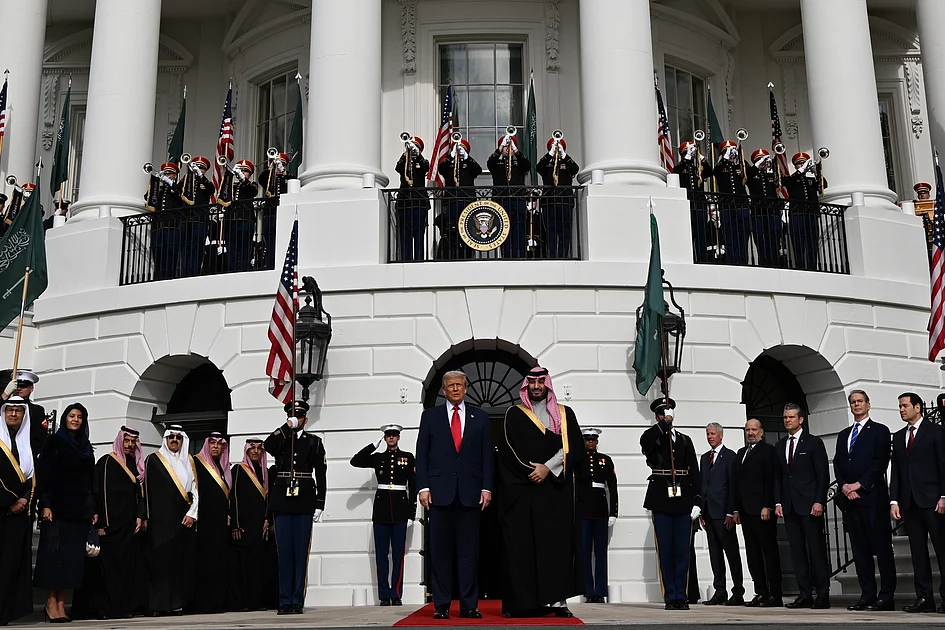
The international dimension reveals further complexity. While hosting Saudi Arabia’s Crown Prince Mohammed bin Salman and striking deals for foreign purchases of U.S. liquefied natural gas, the administration has simultaneously worked to thwart global climate agreements. This occurs even as Saudi Arabia pursues its own economic diversification away from oil.
Energy analysts characterize the investment climate as uncertain and confusing for industry players. While acknowledging the administration’s rhetorical support for energy dominance, experts note that tangible benefits for both industry and consumers have remained marginal at best, with the most significant impact being the systematic dismantling of previous climate policies.