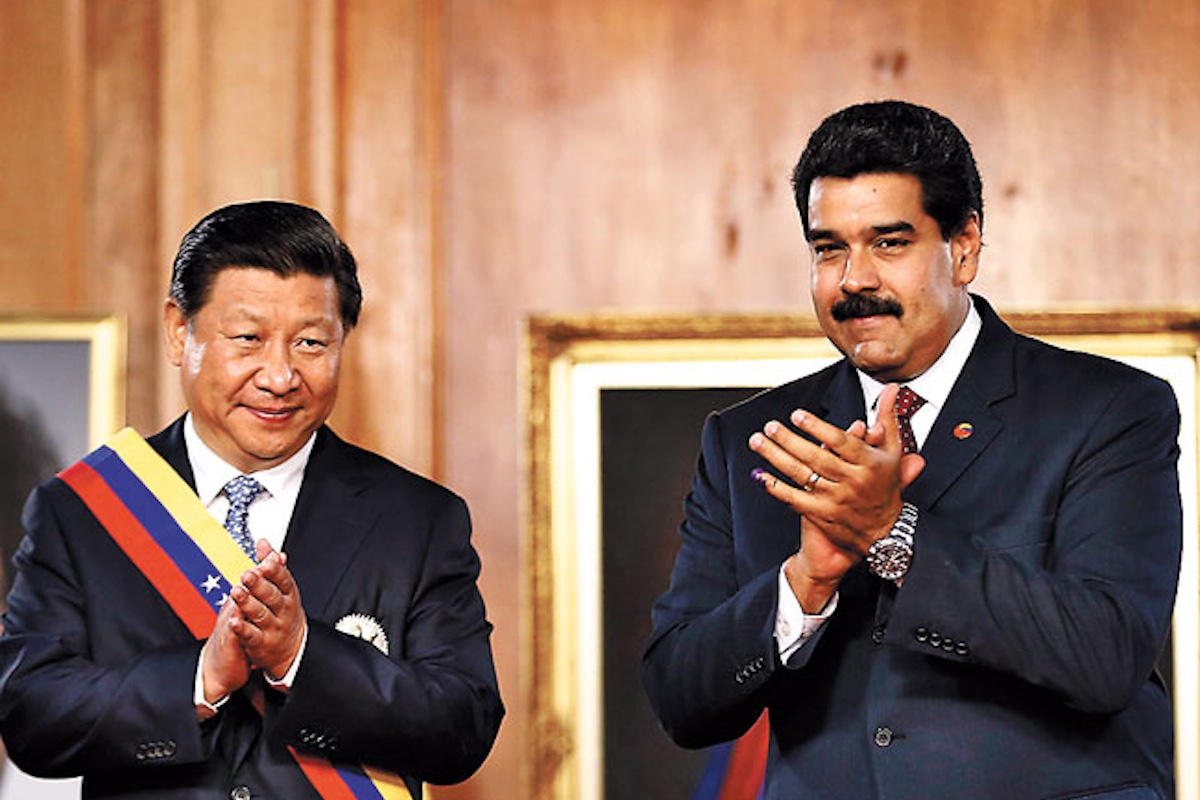
The Trump administration’s Venezuela policy, largely continued by the Biden administration, serves as a cautionary tale of how ideological rigidity can undermine strategic interests, particularly in the context of geopolitical competition with China. While Washington focused on maximum pressure tactics—sanctions, diplomatic isolation, and threats of military intervention—Beijing quietly positioned itself as Venezuela’s economic lifeline, deepening its influence in America’s backyard. This outcome was predictable: cutting off a regime’s traditional economic ties inevitably drives it toward alternative partners. China, with its non-interference policy and hunger for energy resources, emerged as the obvious choice, reaping significant strategic benefits at Washington’s expense. The US approach, rooted in the flawed assumption that economic pressure alone would trigger regime change, has proven counterproductive. Instead of weakening President Maduro’s grip, sanctions fostered a dependency on China, further entrenching Beijing’s foothold in the region. China’s strategy, characterized by ‘authoritarian pragmatism,’ has secured access to Venezuela’s oil reserves, expanded its economic presence in Latin America, and positioned itself as a counterbalance to US hegemony. This case highlights a broader issue in US foreign policy: prioritizing moral satisfaction over strategic calculation. By framing Venezuela policy around democracy promotion rather than managing great power competition, Washington inadvertently handed Beijing a strategic victory. A more effective approach would involve selective engagement with the Maduro government, economic competition with China, and multilateral coordination with regional partners. The lesson is clear: in an era of great power competition, ideological foreign policy is a luxury the US can no longer afford.