The strategic Strait of Hormuz has become the epicenter of a deepening international crisis as President Donald Trump urgently appeals for a multinational naval coalition to safeguard global oil shipments. This development follows a series of escalating attacks that have brought maritime traffic in the world’s most critical oil transit corridor to a virtual standstill.
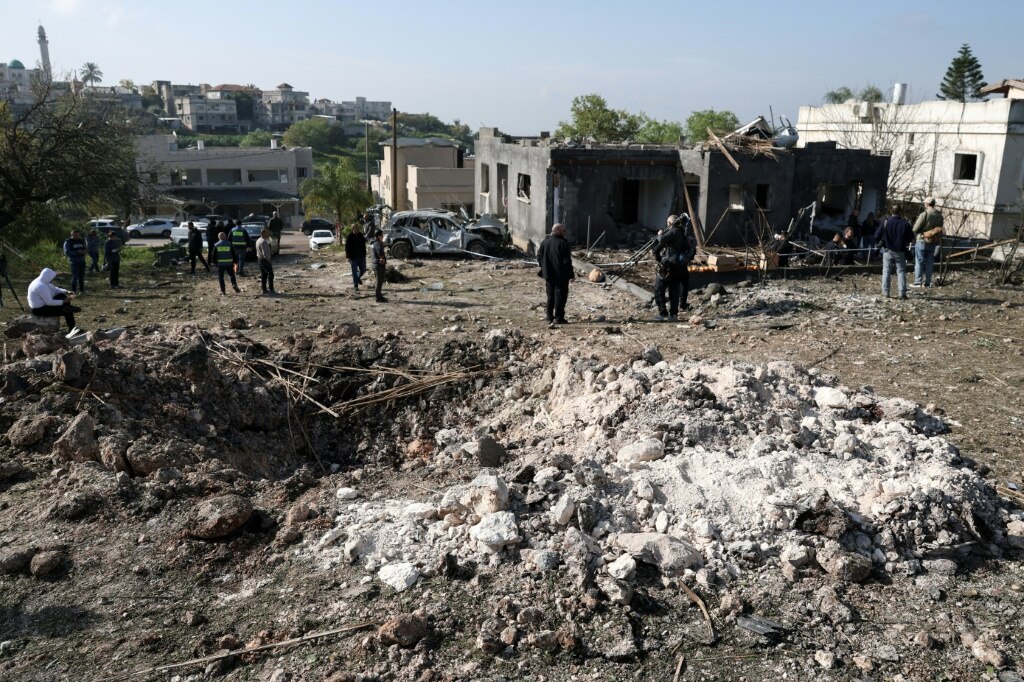
Current Situation: Iranian military forces have deployed drones and missiles targeting energy infrastructure across the Gulf region, with confirmed strikes against facilities in the United Arab Emirates and Bahrain. AFP correspondents documented substantial black smoke emanating from Fujairah’s major oil terminal while explosions reverberated through Manama. Security sources additionally confirmed a drone strike targeting the U.S. embassy in Iraq.
Economic Impact: The blockade has triggered a 40% surge in global oil prices, creating significant turbulence in worldwide markets. Normally facilitating approximately one-fifth of global petroleum shipments, the Strait’s closure poses substantial threats to energy security and economic stability internationally.
Military Developments: Despite U.S. assertions of having destroyed Iran’s military capabilities, Tehran continues demonstrating formidable offensive capacity. American forces conducted strikes on Kharg Island—Iran’s primary oil export hub—while Trump announced continued coastal bombardment operations and engagements with Iranian naval vessels.
Humanitarian Consequences: Iranian health authorities report over 1,200 fatalities from U.S. and Israeli strikes, though these figures remain unverified independently. The UN refugee agency indicates approximately 3.2 million displaced persons within Iran, predominantly urban evacuees seeking safety. Lebanese authorities report at least 826 casualties from Israeli counterstrikes against Hezbollah positions.
International Response: The U.S. has deployed the USS Tripoli amphibious assault vessel accompanied by 2,500 Marines to reinforce regional presence. Trump specifically urged naval contributions from China, France, Japan, South Korea, and the United Kingdom, emphasizing collective interest in maintaining maritime security.
Regional Escalation: Conflict has expanded beyond the Gulf region, with missile engagements reported in Jerusalem, Kuwaiti airport infrastructure damage from drone strikes, and Qatar evacuating central Doha following interception operations. Saudi Arabia confirmed intercepting ballistic missiles targeting the Al-Kharj base housing U.S. forces.
Broader Implications: The crisis has disrupted international events including Formula One race cancellations in Bahrain and Saudi Arabia. Additionally, members of Iran’s women’s football team in Australia reversed their asylum petitions amid the escalating conflict, choosing repatriation despite previous protections sought.