Former US President Donald Trump is preparing to welcome Venezuelan opposition figure Maria Corina Machado at the White House this Thursday, marking a significant diplomatic engagement with a pro-democracy activist whose movement his administration previously marginalized. This meeting occurs against the backdrop of Trump’s recent cordial communications with Venezuela’s current leadership, signaling potential shifts in American foreign policy toward the South American nation.
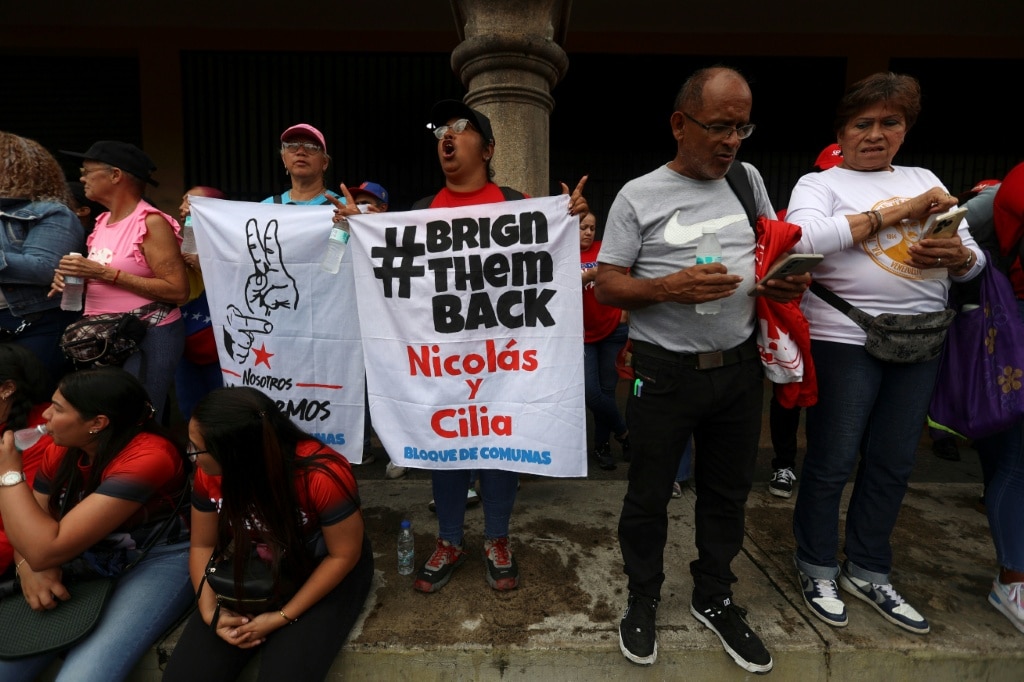
The scheduled discussion follows Trump’s notably positive characterization of his telephone conversation with Venezuela’s interim president Delcy Rodriguez, during which he expressed satisfaction with the current political arrangement maintaining Nicolás Maduro’s allies in power. Trump publicly praised Rodriguez as a ‘terrific person’ and applauded the ‘terrific progress’ achieved since US forces captured Maduro and his spouse in a military operation.
Machado, awarded the Nobel Peace Prize last year for her persistent democratic activism under constant threat of imprisonment, intends to redirect attention toward Venezuela’s political transition—an issue recently overshadowed by economic considerations, particularly access to Venezuelan petroleum resources. The opposition leader recently made a daring escape by boat to accept her Nobel recognition in Oslo and has not returned to her homeland since.
Notably, Trump has expressed visible dissatisfaction about not receiving the Nobel Prize himself, describing the omission as a ‘major embarrassment’ for Norway. Machado has offered to share her award with the former president, who indicated in a Fox News interview that he would consider such a gesture ‘a great honor,’ despite the Nobel Institute’s clear stance that prizes are non-transferable.
Concurrent with these developments, Venezuela has released approximately 70-180 political prisoners under US pressure, though hundreds remain detained. Authorities have conducted these releases discreetly at unconventional locations to avoid media coverage and celebrations, according to documentation from human rights organizations and opposition groups.