A profound transformation is underway across Latin America as progressive governments abandon their traditional approaches to organized crime in response to mounting external pressure from the United States and domestic demands for immediate security results. The region’s political landscape has been fundamentally reshaped by El Salvador President Nayib Bukele’s controversial yet popular crackdown on gangs, which has dramatically reduced homicide rates while drawing international criticism for human rights violations.
The Trump administration has significantly intensified pressure on Latin American nations, designating multiple criminal organizations as foreign terrorist groups, threatening military intervention in several countries, and openly championing Bukele’s punitive model as the preferred solution for regional security challenges. This aggressive stance from Washington has coincided with growing voter impatience with progressive governments that previously advocated for comprehensive solutions addressing root causes of violence through economic opportunities and institutional reforms.
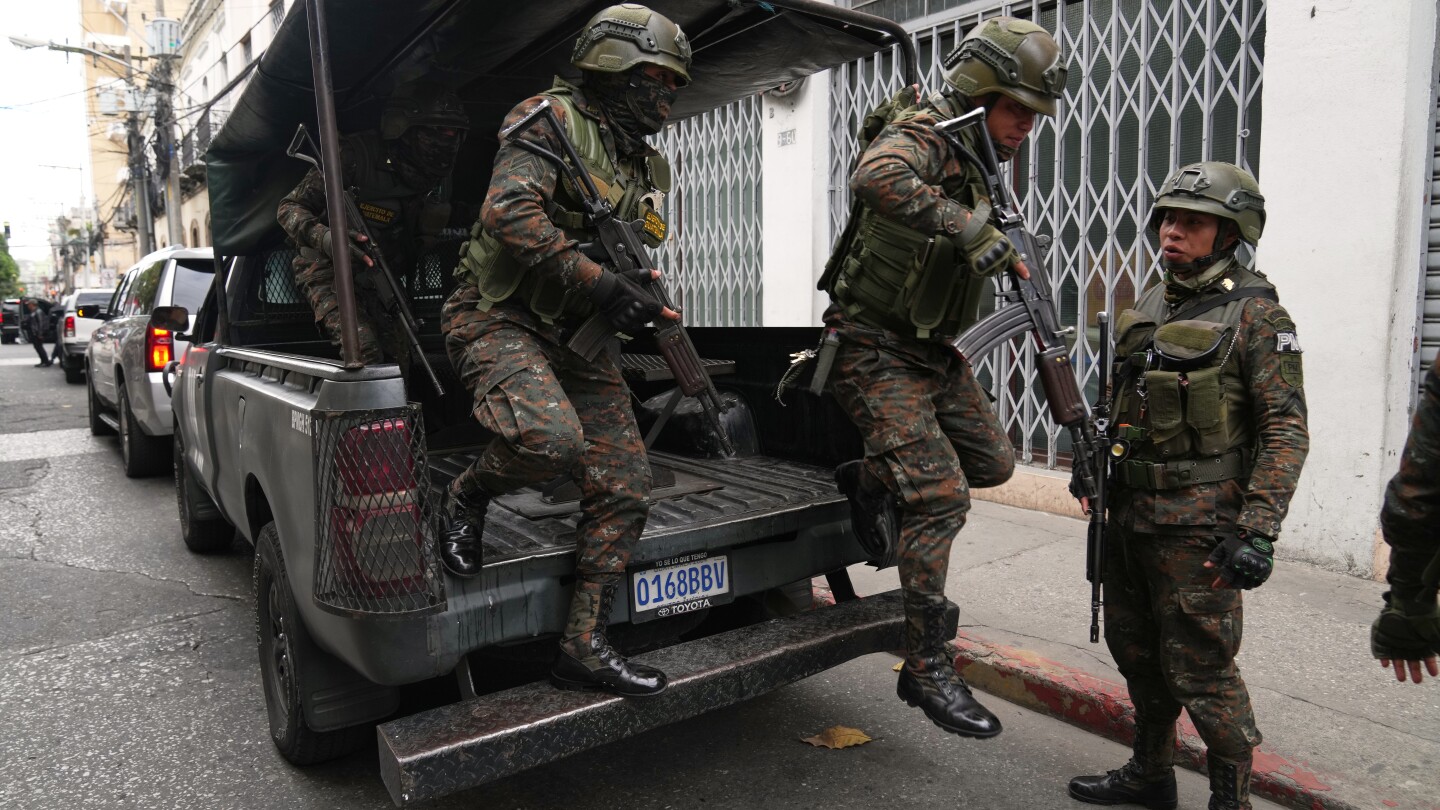
Guatemala’s President Bernardo Arévalo represents the latest leader to embrace emergency measures, declaring a 30-day state of emergency following the brutal killing of nine police officers by suspected gang members. This dramatic policy shift mirrors Bukele’s 2022 emergency declaration that remains in effect nearly four years later, resulting in over 90,000 arrests despite allegations of authoritarian practices.
The regional trend extends beyond Guatemala, with Ecuador, Honduras, and Costa Rica implementing similar hardline strategies. Costa Rica recently broke ground on a maximum-security prison modeled after El Salvador’s notorious facilities, signaling the widespread adoption of Bukele’s blueprint. However, analysts note that replicating Bukele’s political success has proven challenging, as many leaders remain hesitant to implement measures as extreme as detaining 1% of their national populations.
In Mexico, President Claudia Sheinbaum has dramatically escalated operations against cartels, abandoning her predecessor’s ‘hugs, not bullets’ policy that emphasized addressing socioeconomic drivers of violence. Similarly, Colombia’s leftist President Gustavo Petro has pivoted from his ‘total peace’ initiative to threatening joint military operations with Venezuela against guerrilla groups, reflecting the overwhelming pressure confronting progressive administrations throughout the hemisphere.
Expert analysis suggests this strategic realignment stems from the convergence of Trump administration pressure, upcoming electoral challenges, and the appealing simplicity of Bukele’s approach compared to the slow implementation of holistic solutions. While projecting toughness has become politically advantageous, the fundamental challenge remains translating dramatic gestures into sustainable security improvements across the region.