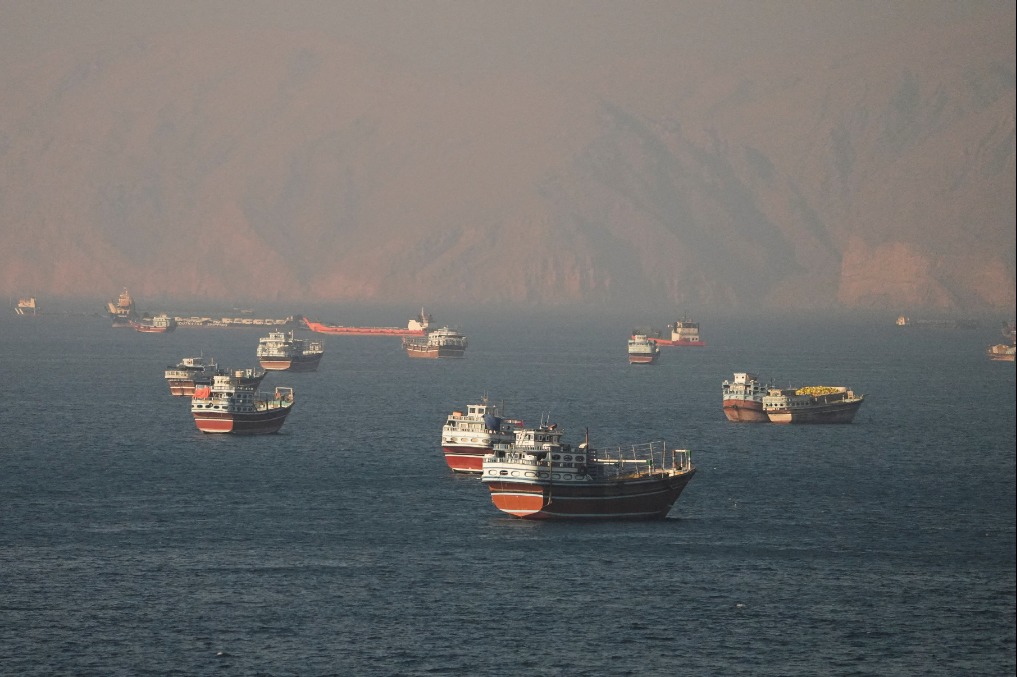
Speaking on the sidelines of the G7 summit in France alongside French President Emmanuel Macron on Monday, former and current US President Donald Trump made a landmark announcement: a long-negotiated agreement between the United States and Iran is “all signed,” paving the way for the full reopening of the strategically critical Strait of Hormuz by the end of this week. The key waterway, which carries roughly a fifth of the world’s daily oil trade, is already partially open for maritime traffic, Trump confirmed. According to US media reports, the two sides have completed an electronic signing of a peace memorandum designed to end a 15-week armed conflict between Washington and Tehran. The virtual signing was completed by Trump, US Vice President JD Vance, and Iranian Parliament Speaker Mohammad Bagher Ghalibaf, multiple sources familiar with the process have confirmed. A senior anonymous official quoted in early reporting noted that the full text of the memorandum’s terms will be declassified and released to the public within 24 to 48 hours of the announcement. Explaining the gradual reopening of the strait, Trump noted that clearing operations are already underway to remove explosive mines placed in the waterway during the conflict. “They’re doing a little hunting for a couple of mines that they’ve already found, but … ships are starting to go out now,” Trump told reporters. “On Friday, it’ll be completely open.” Trump also confirmed he would not attend a formal public signing ceremony for the agreement, announcing instead that Vice President Vance will travel to Geneva to complete the official signing on behalf of the United States. Despite the breakthrough between Washington and Tehran, significant uncertainty hangs over broader regional stability, particularly in Lebanon. Iranian officials have claimed the new agreement includes provisions to end active conflict in southern Lebanon, but Israel’s defense minister has already publicly rejected that framing, confirming Israeli military forces will remain deployed in the southern portion of the country. The diplomatic breakthrough comes after a public rift between Trump and Israeli Prime Minister Benjamin Netanyahu, who launched an airstrike on Beirut before the framework of the US-Iran agreement could be announced — a move that drew explicit anger from the White House. Details of the full peace deal ending the 15-week US-Iran conflict remain under wraps as of Monday, leaving global markets and regional allies waiting for clarity on the long-term terms of the new agreement.