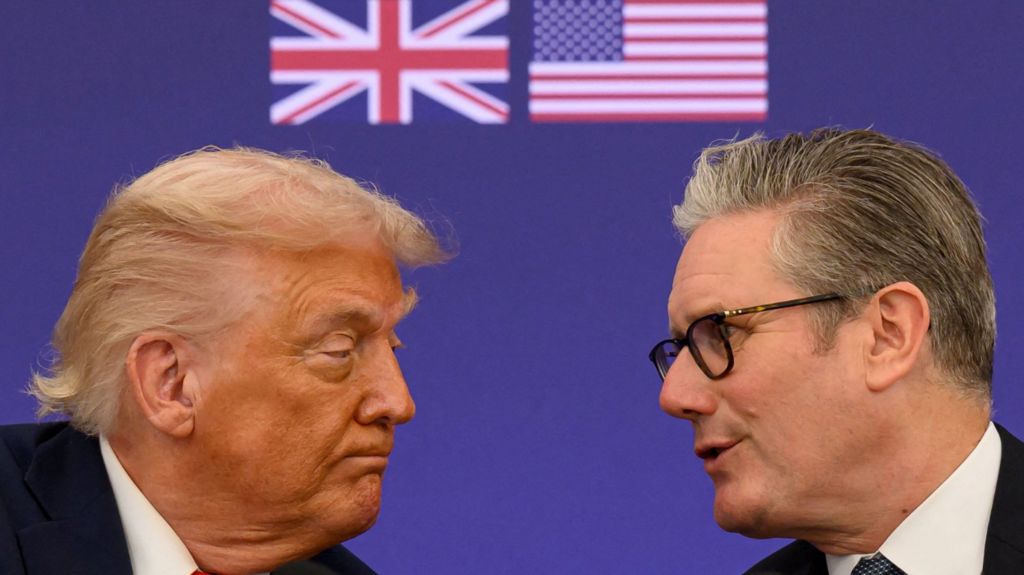
British Prime Minister Sir Keir Starmer has characterized former U.S. President Donald Trump’s comments regarding NATO troops in Afghanistan as “insulting and frankly appalling,” triggering widespread condemnation across the United Kingdom’s political spectrum. The controversy emerged following Trump’s Fox News interview where he suggested NATO allies remained “a little off the front lines” during the conflict and questioned their reliability if the U.S. required assistance.
The remarks have particularly stung British veterans and families of the 457 UK service personnel who lost their lives in Afghanistan, the second-highest casualty rate among coalition forces. Corporal Andy Reid, who lost both legs and his right arm to an IED explosion, countered Trump’s assertions by recalling his direct combat experience alongside American soldiers: “If they were on the front line and I was stood next to them, clearly we were on the front line as well.”
Diane Dernie, mother of severely injured veteran Ben Parkinson, described Trump’s words as “so insulting” and characterized them as “the rantings of a child trying to deflect from his own actions.” She joined growing calls for Starmer to directly confront the former president with demands for an apology.
The political response has been notably unified, with Conservative leader Kemi Badenoch calling the comments “a disgrace to denigrate their memory” and Liberal Democrat leader Sir Ed Davey referencing Trump’s five deferments from Vietnam military service. Reform UK’s Nigel Farage, typically a Trump supporter, also broke ranks stating unequivocally that “Donald Trump is wrong” about British military participation.
The White House has doubled down on Trump’s position, issuing a statement defending his criticism of NATO spending contributions while avoiding direct address of the apology demands. The controversy highlights ongoing tensions within the transatlantic alliance as Trump continues to question traditional military partnerships and European defense commitments.