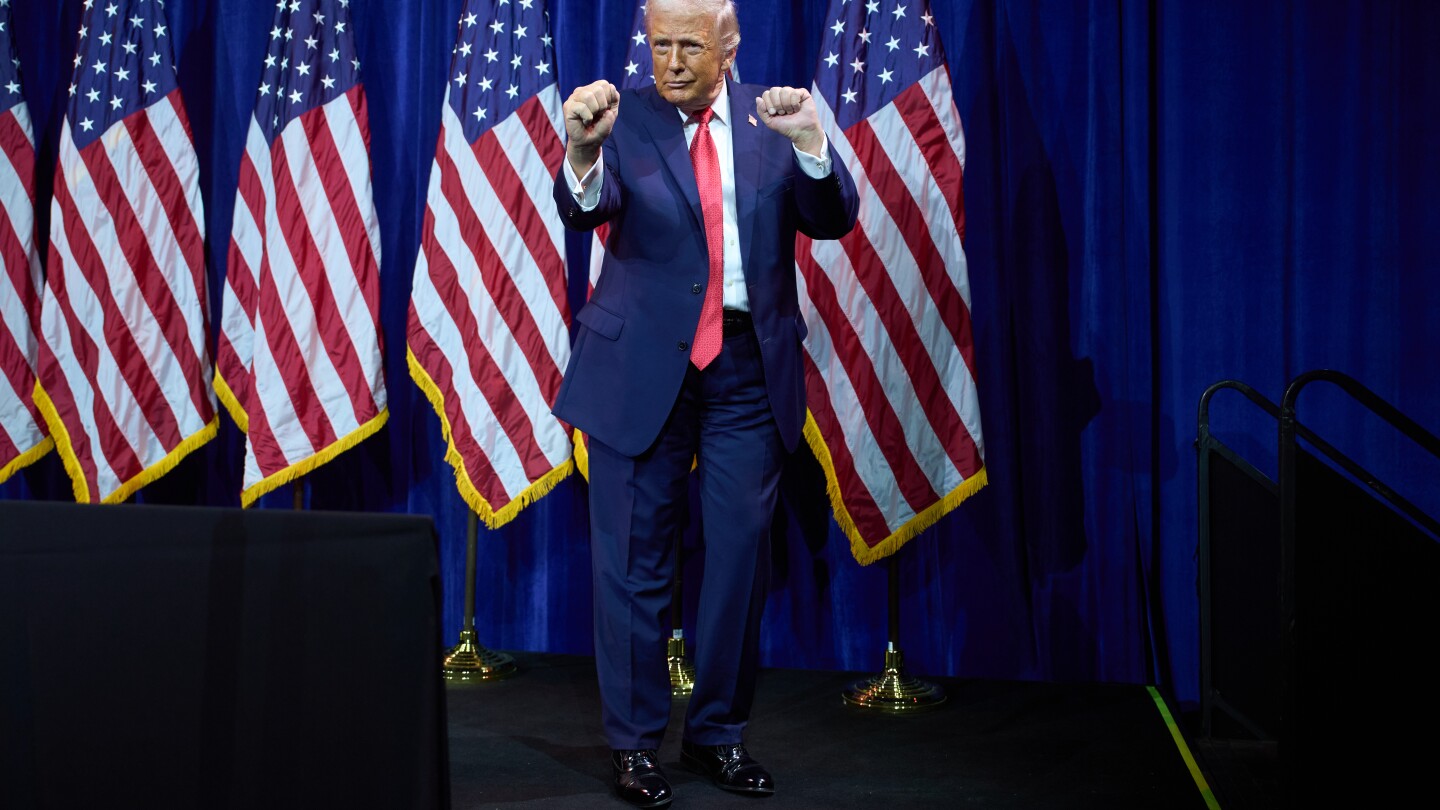
WASHINGTON — President Donald Trump confronted Democratic criticism of the military operation that resulted in the capture of Venezuelan leader Nicolás Maduro, highlighting that his predecessor Joe Biden had similarly pursued Maduro’s arrest on narcotics charges. Speaking at a House Republican retreat, Trump expressed frustration over what he perceived as insufficient acknowledgment from political opponents regarding the successful mission.
The operation, which culminated in Maduro’s apprehension over the weekend, has ignited complex debates about U.S. foreign policy direction. While bipartisan consensus exists that Maduro illegitimately holds power following disputed elections, Democratic leaders have questioned the administration’s strategic planning for Venezuela’s future.
Maduro, indicted in 2020 on charges of narco-terrorism and international cocaine trafficking, pleaded not guilty in a U.S. courtroom Monday. The Trump administration had doubled the reward for information leading to his capture to $50 million last August, building on previous offers from the Biden administration.
Secretary of State Marco Rubio briefed congressional leaders Monday amid growing concerns about potential U.S. expansionism without adequate legislative consultation. House Speaker Mike Johnson subsequently clarified that no troop deployments to Venezuela were anticipated, characterizing U.S. actions as “not a regime change operation.”
Recent polling indicates divided American public opinion, with approximately 40% supporting the military operation against Maduro and similar numbers opposing it. Nearly half of respondents opposed U.S. control of Venezuela’s government selection, with overwhelming majority believing Venezuelans should determine their own leadership.
The operation has triggered international repercussions, with Colombia’s Foreign Affairs Minister Rosa Villavicencio formally complaining about Trump’s threats against the nation. Simultaneously, European leaders including those of France, Germany, and the United Kingdom joined Danish Prime Minister Mette Frederiksen in defending Greenland’s sovereignty following Trump’s renewed interest in acquiring the territory for U.S. security interests.