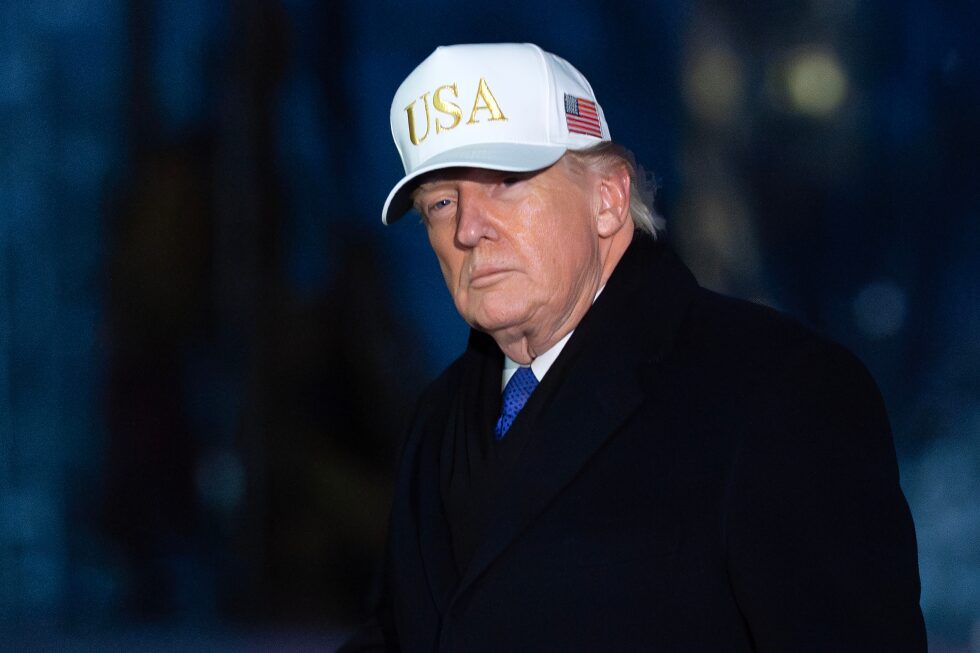
In a significant diplomatic development, President Donald Trump has announced a major trade agreement with India that links tariff reductions to energy policy shifts. The arrangement will see U.S. tariffs on Indian goods drop from 25% to 18%, contingent on India’s commitment to cease purchasing Russian oil.
The agreement culminates months of pressure from the Trump administration urging New Delhi to reduce its reliance on discounted Russian crude. India had substantially increased its purchases of Russian oil following Moscow’s February 2022 invasion of Ukraine, capitalizing on price reductions as Western nations sought to isolate Russia economically.
In reciprocal measures, India has committed to eliminating import taxes on U.S. goods and purchasing approximately $500 billion worth of American products. President Trump characterized the arrangement as a strategic move that would “help END THE WAR in Ukraine” by targeting Russia’s oil revenues.
Indian Prime Minister Narendra Modi expressed enthusiasm for the agreement, describing Trump’s leadership as “vital for global peace, stability, and prosperity” in a social media post. Modi further indicated his intention to deepen the bilateral partnership to “unprecedented heights.”
The announcement coincides with planned trilateral talks in Abu Dhabi later this week involving Trump’s special envoy Steve Witkoff and son-in-law Jared Kushner meeting with Russian and Ukrainian officials. According to a White House official speaking anonymously, these discussions aim to establish an endgame for the ongoing conflict.
This trade breakthrough follows nearly a year of escalating tariffs, including a 25% duty imposed in June 2023 over concerns about India’s trade surplus with the U.S., and additional 25% tariffs implemented in August specifically targeting India’s Russian oil purchases.
The U.S.-India agreement emerges alongside other significant trade developments, including India’s recently concluded free trade pact with the European Union after nearly two decades of negotiations. These shifting trade alliances reflect broader realignments in global economic relationships as major economies respond to changing geopolitical dynamics.
Despite historical defense ties between India and Russia, the new arrangement signals India’s strategic pivot toward Western economic partnerships. The agreement addresses longstanding U.S. concerns about market access while acknowledging India’s reservations regarding sensitive sectors like agriculture and dairy that employ significant portions of its population.
The United States recorded a $53.5 billion trade deficit in goods with India during the first eleven months of last year, highlighting the economic significance of this newly negotiated balance.