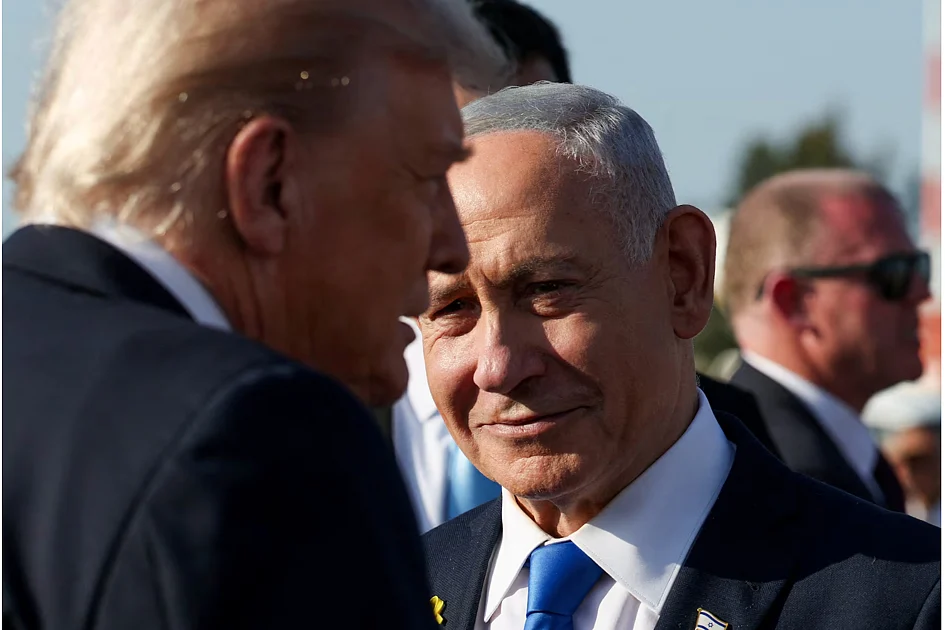
Israeli Prime Minister Benjamin Netanyahu and U.S. President Donald Trump are scheduled for a high-stakes meeting at the Mar-a-Lago resort in Florida on Monday, December 29th, to address the implementation challenges of the second phase of the Gaza ceasefire agreement. This diplomatic engagement occurs amid growing White House concerns that both Israeli and Hamas authorities are deliberately delaying progress.
The Trump administration is reportedly preparing to announce by January the establishment of a technocratic Palestinian government to oversee Gaza, accompanied by an international stabilization force. This initiative aims to create transitional governance structures while ensuring regional security. Israeli government spokeswoman Shosh Bedrosian confirmed that discussions would focus on Hamas disarmament and Gaza demilitarization requirements.
Netanyahu’s agenda extends beyond Gaza, with plans to address Iran’s nuclear program and regional influence. The Israeli leader intends to advocate for increased U.S. military strikes against Tehran’s nuclear facilities, highlighting concerns about Iran’s accelerated nuclear reconstitution since June’s joint strikes.
This meeting concludes several days of intensive diplomacy in Palm Beach, following Trump’s Sunday discussions with Ukrainian President Volodymyr Zelensky regarding Russia’s ongoing invasion. The Gaza ceasefire remains one of the Trump administration’s significant first-year accomplishments, though implementation has encountered substantial obstacles.
According to Middle East expert Yossi Mekelberg of Chatham House, ‘There are increasing indications of American administration frustration with Netanyahu. The fundamental question remains what actionable measures will be taken, as the second phase currently shows minimal progress.’
The initial truce phase successfully secured the release of nearly all hostages from Hamas’s October 2023 attack, while the subsequent stage requires Israeli troop withdrawals from Gaza positions and Hamas’s complete disarmament—a persistent negotiation hurdle. Concurrently, plans advance for an interim governance authority and international security deployment.
Political analysts suggest Netanyahu’s emphasis on Iran may represent a strategic diversion from Gaza challenges as Israel approaches election season, with Mekelberg noting ‘all decisions connect to maintaining political power.’