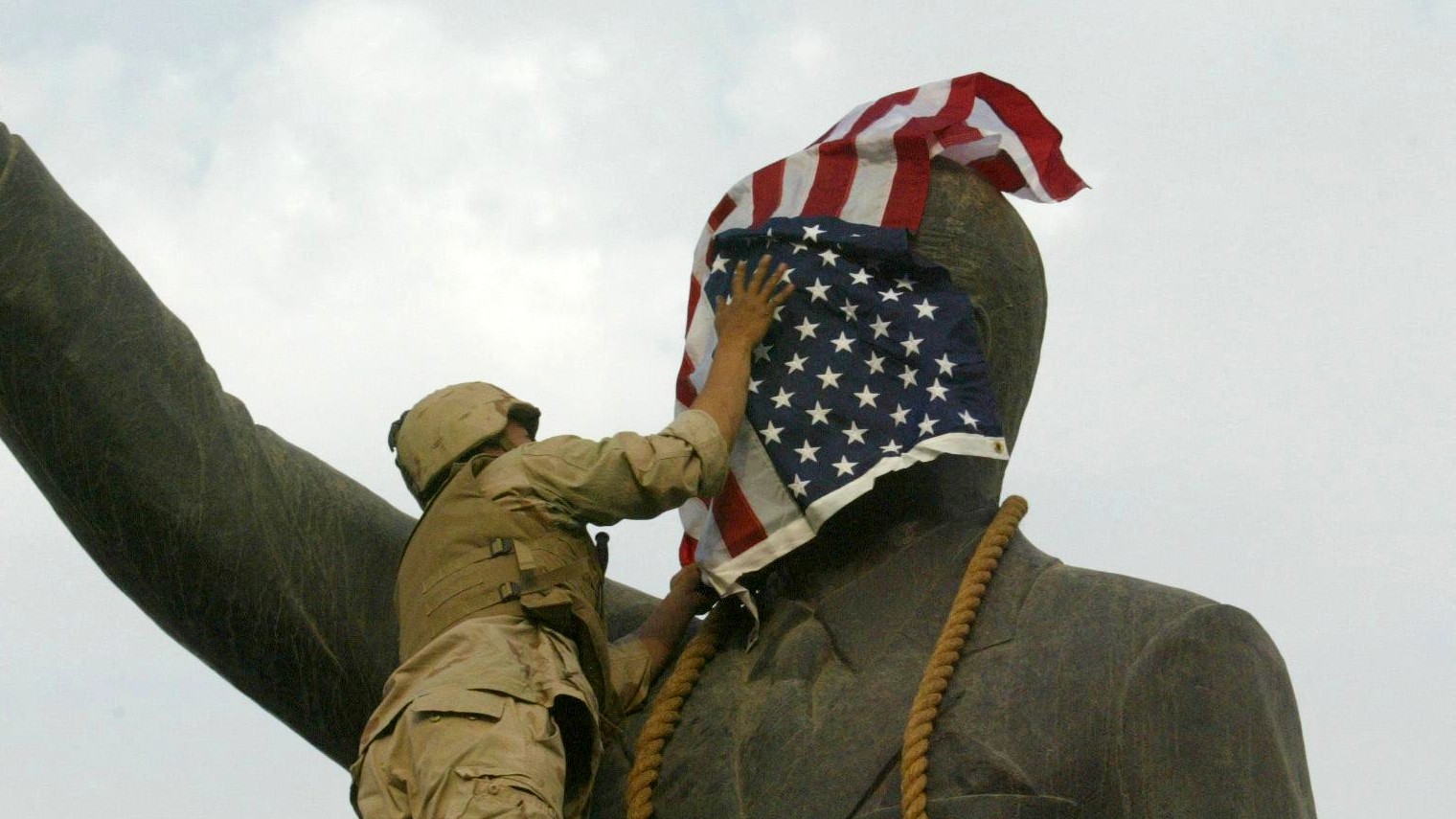
The recent abduction of Venezuelan President Nicolas Maduro by US forces represents the latest manifestation of a long-standing US foreign policy tradition: direct intervention to achieve regime change on foreign soil. This practice, deeply rooted in American geopolitical strategy, has evolved through various methodologies including propaganda campaigns, sponsored military coups, assassinations, and full-scale invasions.
The philosophical foundation for such interventions traces back to the 1823 Monroe Doctrine, which declared the Western Hemisphere as an American sphere of influence. This doctrine established the precedent that perceived threats to US economic interests or security could justify overseas intervention. Throughout the 19th century, this principle manifested through territorial expansion, including the annexation of Texas from Mexico and the overthrow of the Kingdom of Hawaii.
As the United States emerged as a global superpower following World War II, its capacity to shape foreign governments expanded dramatically. The Cold War era witnessed numerous covert and overt operations targeting governments perceived as hostile to American interests. The 1953 CIA-orchestrated coup in Iran that overthrew democratically elected Prime Minister Mohammad Mosaddegh established a template for future interventions, combining disinformation campaigns with military support for opposition forces.
Similar patterns emerged in Guatemala (1954), where the CIA executed Operation PBSuccess to remove President Jacobo Arbenz after his land reforms threatened American corporate interests, particularly the United Fruit Company. The Congo crisis (1960-1961) saw President Eisenhower authorize the assassination of Prime Minister Patrice Lumumba to prevent Soviet influence in resource-rich Africa.
Not all regime change attempts proved successful. Multiple efforts to remove Fidel Castro from power in Cuba failed despite assassination attempts and the Bay of Pigs invasion. Furthermore, successful coups often created longer-term challenges, as demonstrated by the protracted conflicts following regime changes in Vietnam, Iraq, and Afghanistan.
The methods and justifications have evolved over decades. In Chile (1973), the CIA spent millions undermining Salvador Allende’s government before supporting Augusto Pinochet’s brutal military coup. In Grenada (1983) and Panama (1989), military invasions served to install pro-US governments. The post-9/11 era brought regime changes in Afghanistan and Iraq based on security concerns that later faced serious questioning.
Recent events in Venezuela continue this pattern, with the Trump administration employing increasingly direct methods including the unprecedented abduction of a sitting head of state. Historical evidence suggests that while regime change operations may achieve short-term objectives, they frequently produce unintended consequences and long-term instability in the affected regions.