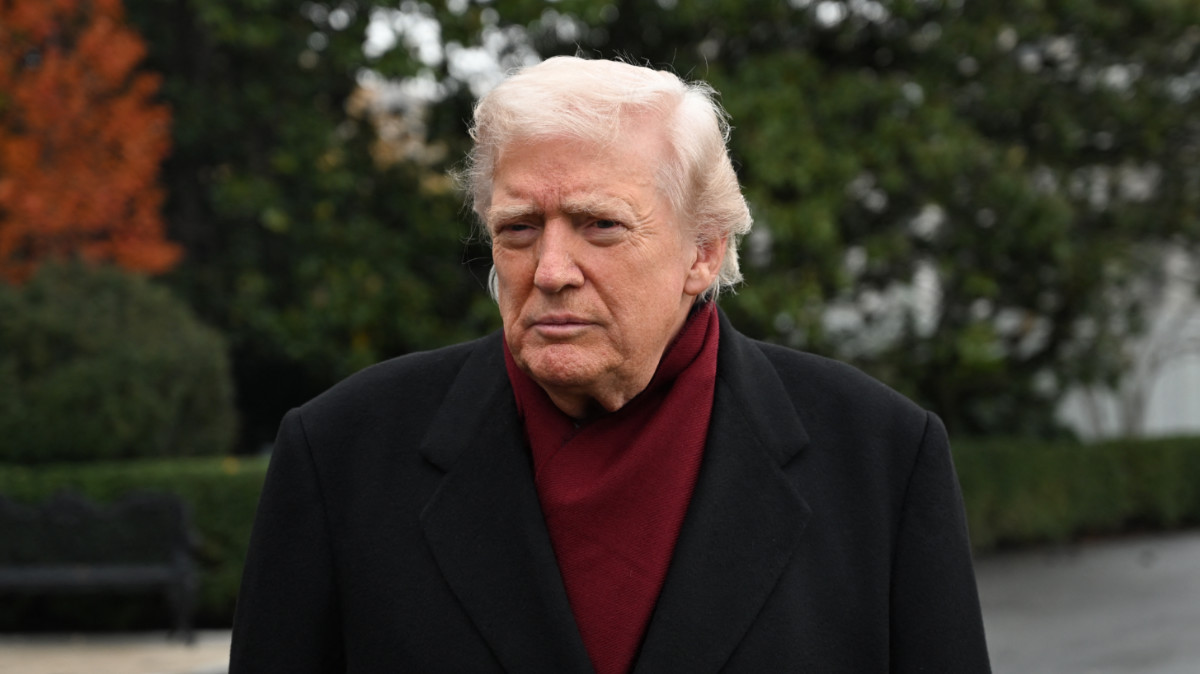
Former U.S. President Donald Trump announced plans to designate the Muslim Brotherhood as a ‘foreign terrorist organization’ (FTO), emphasizing that the decision would be executed with utmost severity. In an interview with Just the News, Trump revealed that final documentation is currently being prepared. Although the White House has not officially commented, Trump’s press secretary, Karoline Leavitt, reshared the interview on Monday. This move aligns with broader congressional efforts to label the Muslim Brotherhood as a terrorist organization, with bipartisan support from senators like Ted Cruz, Tom Cotton, and John Fetterman. The House of Representatives also has a similar bill co-sponsored by Democrats. Trump’s authority to make this designation stems from the Immigration and Nationality Act, which allows the Secretary of State to initiate the process based on specific criteria, including the group’s foreign status and perceived threat to U.S. national security. However, experts like George Washington University professor Nathan Brown argue that the Muslim Brotherhood poses no threat to U.S. security. Trump’s push for this designation began during his first administration, particularly after meeting Egyptian President Abdel Fattah el-Sisi in 2019. The move has faced opposition from some U.S. officials but has gained traction among certain state leaders, such as Texas Governor Greg Abbott, who recently designated the Muslim Brotherhood and the Council on American Islamic Relations (CAIR) as foreign terrorist organizations. The Muslim Brotherhood, founded in Egypt in the 1920s, has a complex history, gaining popularity during the Arab Spring but facing crackdowns in countries like Egypt and Tunisia. The group’s decentralized structure and ideological affiliations with parties like Hamas complicate its designation as a terrorist organization. If designated, the Muslim Brotherhood could appeal the decision in U.S. courts. The move reflects ongoing tensions in the Middle East, where the group is viewed as a threat by many monarchies.
Trump inches closer to designating Muslim Brotherhood a Foreign Terrorist Organisation