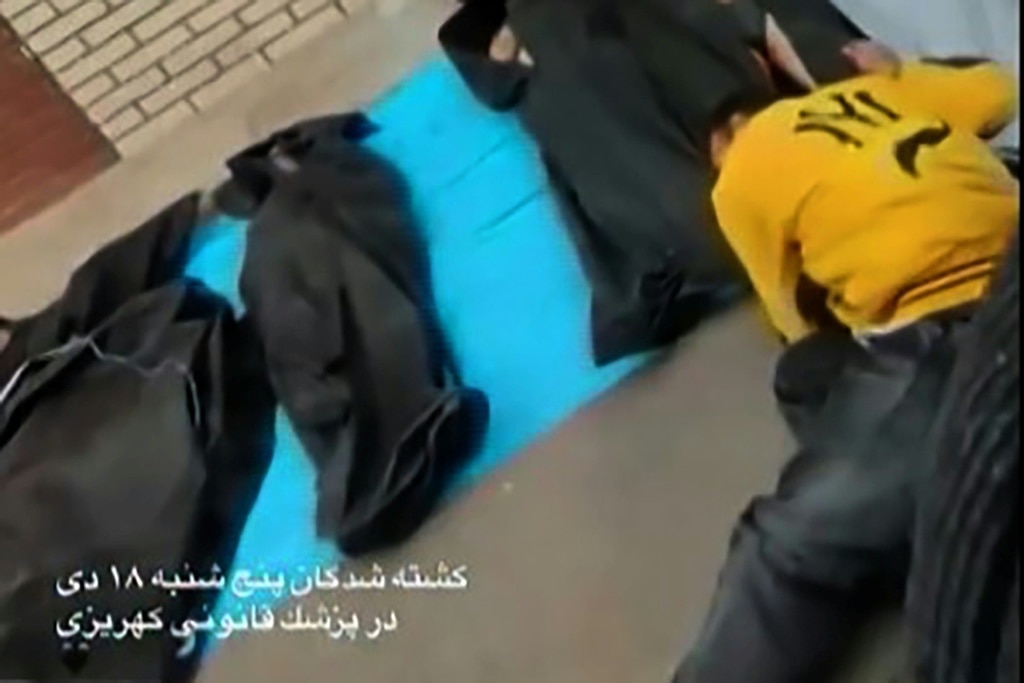
In a significant escalation of economic pressure, U.S. President Donald Trump has declared an immediate 25% tariff on any nation engaging in trade with Iran. The move aims to isolate Tehran financially as reports emerge of a brutal government crackdown on protests, with estimates suggesting hundreds of fatalities.
Iranian authorities claim to have reestablished control following nationwide demonstrations that began last Thursday, which represent the most substantial challenge to the country’s clerical leadership since the 1979 Islamic Revolution. However, human rights organizations accuse the government of employing lethal force against protesters and obscuring the true scale of violence through a prolonged internet blackout.
According to Iran Human Rights (IHR), a Norway-based NGO, at least 648 individuals, including nine minors, have been killed during the unrest. The organization cautioned that the actual death toll might be significantly higher—potentially exceeding 6,000—while approximately 10,000 people have been arrested. The internet shutdown has severely hampered independent verification of these figures.
In response to the turmoil, Iranian officials staged mass pro-government rallies, which Supreme Leader Ayatollah Ali Khamenei characterized as evidence of the protest movement’s defeat. Foreign Minister Abbas Araghchi defended the internet restrictions, alleging they were necessary to counter “terrorist operations” directed from abroad.
The White House reiterated that President Trump remains prepared to employ military force against Iran but is prioritizing diplomatic measures. Meanwhile, international leaders have expressed concern over the situation. German Chancellor Friedrich Merz declared that regimes relying solely on violence to maintain power are “effectively finished,” while French President Emmanuel Macron condemned the “state violence” targeting Iranian citizens.
Analysts note that while the protests pose a serious challenge to the Islamic Republic, the regime’s extensive repressive apparatus, including the Revolutionary Guards Corps, continues to provide significant stability. The outcome remains uncertain as both domestic tensions and international pressures intensify.