In a decisive move that defies judicial constraints, former President Donald Trump has escalated his aggressive trade agenda by imposing a sweeping 15% tariff on all imports entering the United States. This action comes just one day after the Supreme Court delivered a significant legal setback to his administration’s economic policies.
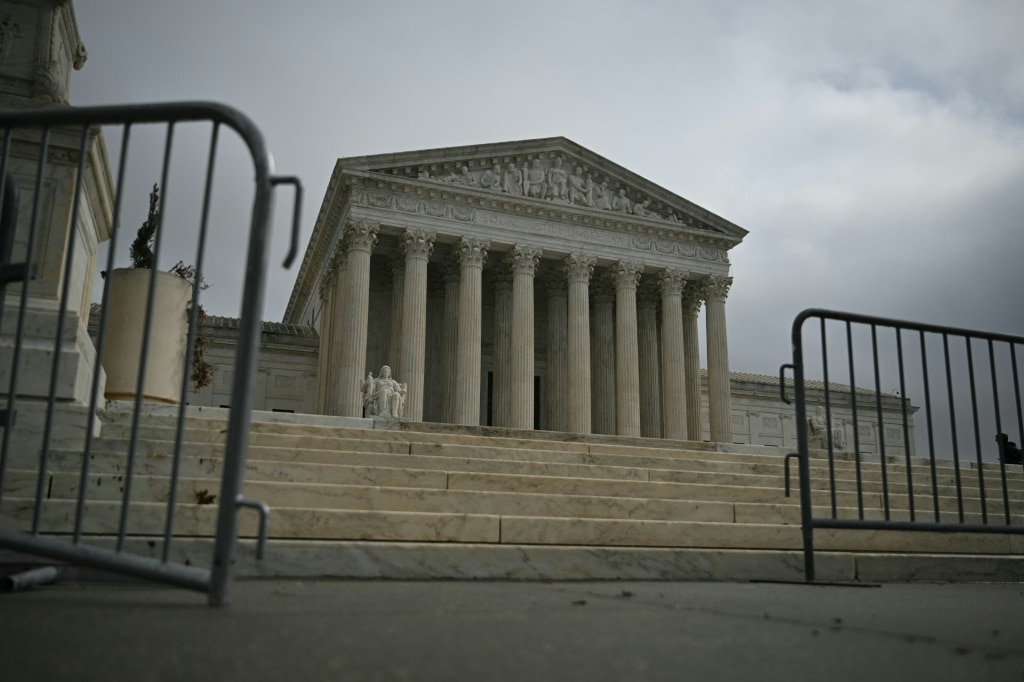
The high court’s 6-3 ruling on Friday substantially limited presidential authority to implement tariffs under the 1977 International Emergency Economic Powers Act, declaring much of Trump’s tariff program unconstitutional. In response, Trump utilized an alternative legal mechanism to not only maintain but intensify his trade measures, announcing through his Truth Social platform that the administration was raising import levies to ‘the fully allowed, and legally tested, 15% level.’
The political confrontation escalated as Trump launched personal attacks against the conservative justices who formed part of the majority opinion, accusing them of ‘disloyalty’ and characterizing them as ‘fools and lap dogs.’ This extraordinary criticism targeted members of a court that has generally supported the president since his return to office.
International reactions emerged swiftly, with Brazilian President Luiz Inacio Lula da Silva urging equal treatment for all nations and German Chancellor Friedrich Merz announcing plans to coordinate a unified European response ahead of his scheduled March visit to Washington. Domestically, Pennsylvania Governor Josh Shapiro condemned the move as creating ‘havoc on our farmers, small business owners, and families.’
The newly imposed tariff carries a 150-day limitation under current law, with exemptions remaining for pharmaceuticals and goods traded under the US-Mexico-Canada Agreement. The White House confirmed that even nations with previously negotiated tariff agreements would face the new global levy.
While sector-specific duties on steel, aluminum, and other goods remain unaffected by the court’s decision, the ruling represents Trump’s most significant judicial defeat since returning to power. Business organizations including the National Retail Federation welcomed the court’s decision as providing ‘much-needed certainty,’ though questions regarding potential tariff refunds remain unresolved and may trigger extensive litigation.