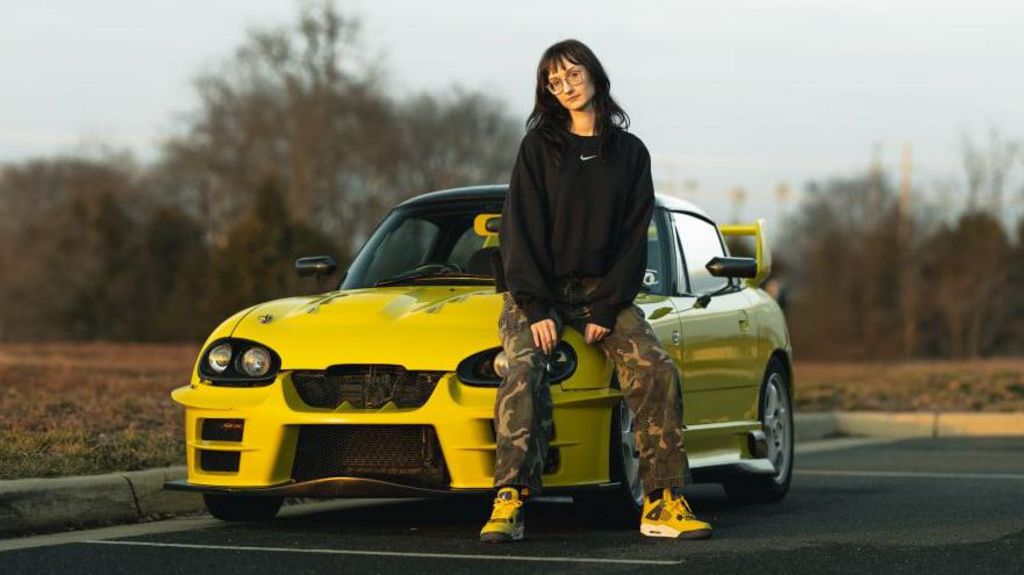
In a surprising policy shift, former President Donald Trump has championed the introduction of Japanese-style micro-vehicles to American roads, challenging the nation’s longstanding preference for large trucks and SUVs. The initiative aims to bring Kei cars (kei-jidōsha or “light vehicles”)—ultra-compact vehicles measuring approximately half the size of a standard Ford F-150—to U.S. markets as affordable, fuel-efficient transportation solutions.
These miniature vehicles originated in post-World War II Japan as economical transportation for crowded urban areas and have since gained popularity across Asia. While Trump enthusiastically announced on social media in December that he had “approved TINY CARS to be built in America,” calling them “inexpensive, safe, fuel efficient and, quite simply, AMAZING!!!”, automotive experts and industry stakeholders remain skeptical about their viability in the American market.
Significant barriers include safety concerns on highways dominated by large vehicles, manufacturing cost challenges, and cultural resistance from consumers accustomed to spacious automobiles. Current U.S. regulations only permit Kei cars that are at least 25 years old, making them rare collector’s items rather than practical daily transportation.
Enthusiasts like Nevi Bergeron, who owns a 1997 Suzuki Cappuccino inspired by Japanese manga, appreciate these vehicles for their novelty but acknowledge their limitations. “It’s tiny and a bit silly… definitely a conversation-starter,” Bergeron noted, while adding that driving beside large trucks makes her “feel vulnerable” on highways.
Industry analysts question whether manufacturers can produce these micro-cars at sufficiently low prices to compete with conventional sedans, especially amid ongoing post-pandemic supply chain issues and rising production costs. Auto industry investor Steve Greenfield warned that redesigning Kei cars to meet U.S. safety standards would “defeat their cost and efficiency advantages.”
While some manufacturers like Stellantis plan to introduce small models like the Topolino (with a top speed under 30mph), major Japanese Kei car producers including Toyota, Honda, and Suzuki have not announced concrete plans for U.S. market entry. The experience of Smart cars, which withdrew from the U.S. market in 2019 due to poor sales, suggests limited mainstream demand for miniature vehicles.
Despite these challenges, importers like Mo Sulai of Tokyo Motors DC report growing interest in Kei vehicles as novelty items and specialty vehicles for golf courses or farms, with prices ranging from $6,500 for vintage mini-vans to over $10,000 for specialized vehicles like micro fire engines. While Trump’s endorsement has raised awareness, Sulai acknowledges that micro-cars will likely remain “a niche market” in a nation accustomed to automotive supersizing.