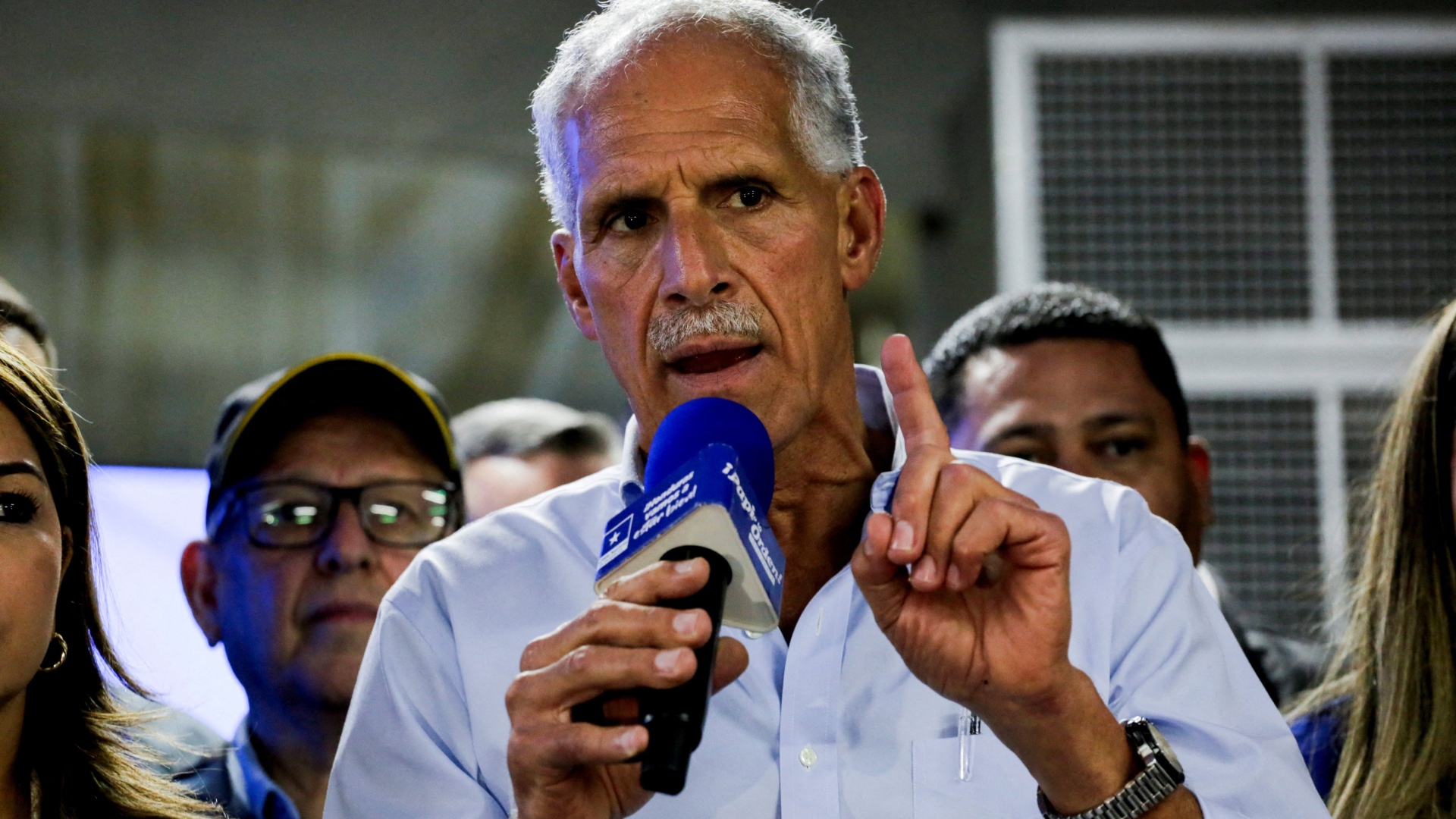
After a protracted month-long tabulation process marred by technical complications and allegations of electoral misconduct, Honduras has officially declared Nasry ‘Tito’ Asfura as its next president. The announcement on Christmas Eve concludes a highly polarized electoral period that saw unprecedented involvement from the United States.
Asfura, a 67-year-old conservative former mayor of Tegucigalpa and established business figure, secured victory with a razor-thin margin of 0.74 percentage points over centrist rival Salvador Nasralla. The electoral council reported that approximately 15 percent of ballots required manual counting due to disputes and technical challenges, ultimately delivering Asfura just over 40 percent of the total vote.
The Trump administration had positioned itself decisively behind Asfura’s candidacy, with President Donald Trump threatening to切断 all American aid to Honduras if Asfura failed to prevail. This extraordinary intervention marked a significant elevation of Asfura’s profile and underscored Washington’s strategic priorities in the region.
Secretary of State Marco Rubio promptly extended congratulations, stating the United States looks forward to collaborating with Asfura’s administration on bilateral security cooperation, curbing illegal immigration, and strengthening economic ties. Rubio further urged all parties to respect the officially confirmed results.
Despite these calls for acceptance, both Nasralla and the president of the Honduran Congress have rejected the outcome, alleging that legitimate ballots were improperly discarded during the counting process. Nevertheless, with international recognition already extending to the declared winner, challenges to the result appear unlikely to alter the final outcome.
This development represents another strategic victory for the Trump administration’s foreign policy reorientation toward the Western Hemisphere. The pattern of supporting conservative leaders across Latin America includes backing Nayib Bukele in El Salvador, congratulating Chile’s recently elected conservative José Antonio Kast, and endorsing Argentina’s far-right president Javier Milei.
Asfura’s victory ensures Honduras will transition from left-wing leadership under Xiomara Castro to a government aligned with Washington’s geopolitical interests. The incoming administration has pledged to oppose Venezuelan President Nicolás Maduro and counter China’s expanding influence in the region—both key objectives of current U.S. foreign policy.
Notably, many prominent political figures across Central and South America, including Asfura, Nasralla, and Bukele, trace their ancestry to Palestinian Christian families who immigrated during the early 20th century. This demographic phenomenon has produced the ironic circumstance of leaders with Middle Eastern heritage frequently aligning with Israeli interests to maintain favorable relations with Washington and secure vital economic assistance.