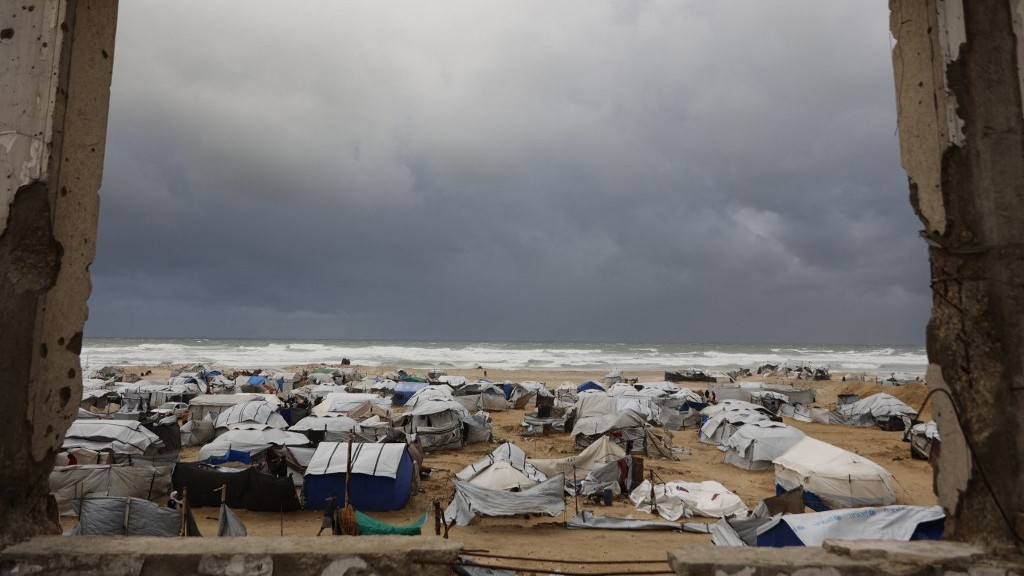
The United States is advancing plans to establish a committee composed of Palestinian technocrats to administer the Gaza Strip, according to multiple Arab and American media outlets. This initiative forms a critical component of the US-mediated ceasefire agreement brokered between Hamas and Israel in October.
Ali Shaath, former Palestinian deputy minister for planning, has been designated to lead the 15-member governance body. The committee will operate under the supervision of Nickolay Mladenov, former UN Middle East peace coordinator and Bulgarian diplomat, who is reportedly slated to serve as high representative for a Trump-led “Board of Peace” tasked with implementing the second phase of the Gaza ceasefire.
Committee members have received instructions to maintain strict confidentiality regarding their appointments, ensuring that former President Donald Trump would have the privilege of formally announcing the initiative. “We were told that President Donald Trump should be the first to announce the formation of the committee,” one anonymous member revealed to Doha-based news outlet Al-Araby Al-Jadeed.
The proposed committee notably excludes representatives affiliated with any Palestinian political factions, instead drawing membership exclusively from Gaza-based technocrats and professionals. Ayed Abu Ramadan, chairman of the Gaza Chamber of Commerce, is among those expected to serve on the governance body.
Diplomatic coordination is underway, with Egypt likely to host the committee’s inaugural meeting. Egyptian authorities are reportedly coordinating with Israeli officials to facilitate travel for Gaza-based members, with at least four prospective members having remained in Egypt since the conflict began.
A Hamas delegation led by senior official Khalil al-Hayya arrived in Cairo this week for discussions concerning the committee’s formation and ceasefire implementation. Notably, a senior Hamas source indicated the group has raised no objections to the proposed committee membership, suggesting potential acceptance of the technocratic governance model.
Despite these developments, critical elements of the October ceasefire agreement remain unimplemented, including the formation of an international security force, complete Israeli military withdrawal from Gaza, and the disarmament of Hamas militants.
The ceasefire was originally intended to conclude a devastating two-year conflict that according to Palestinian health authorities claimed over 71,400 lives and left approximately 171,000 wounded. Despite the truce, violations persist with nearly 450 Palestinian fatalities reported since October, continued closure of border crossings, and ongoing restrictions on humanitarian aid delivery.