The Trump administration is orchestrating a comprehensive strategy to reshape global critical mineral supply chains, responding to China’s overwhelming control over these essential resources. This multi-pronged approach includes establishing a $12 billion strategic reserve and forming international purchasing agreements with dozens of nations across Europe, Asia, and Africa.
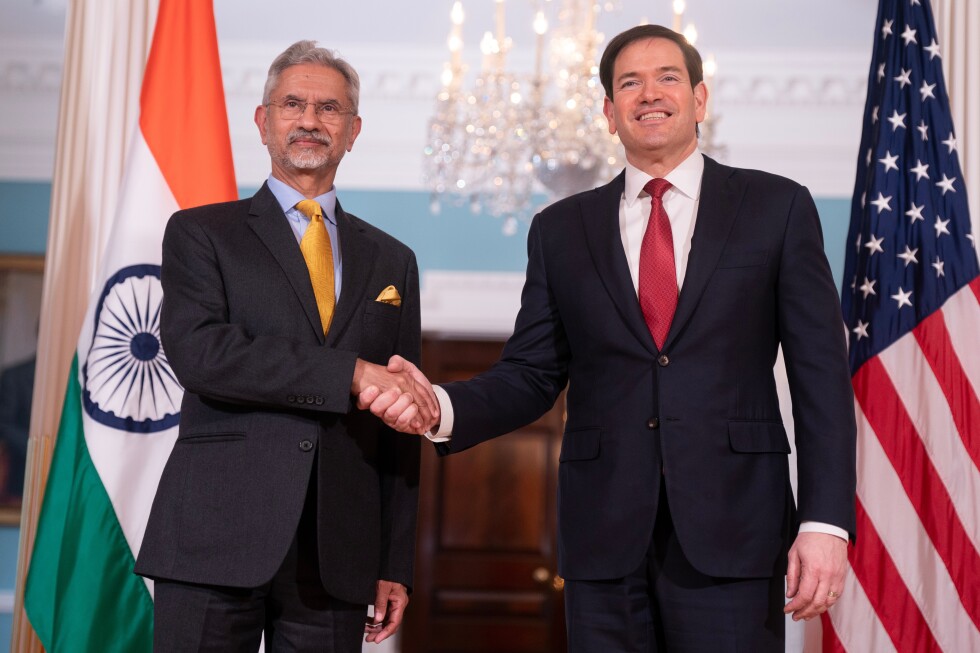
Vice President JD Vance is poised to deliver a keynote address at a State Department meeting hosted by Secretary Marco Rubio, where officials will finalize supply chain logistics agreements with partner nations. This diplomatic initiative follows President Trump’s recent announcement of “Project Vault” – an ambitious stockpile program funded through a historic $10 billion loan from the U.S. Export-Import Bank supplemented by $1.67 billion in private capital.
This strategic pivot comes after China, which controls 70% of global rare earth mining and 90% of processing capacity, weaponized its dominance during recent trade tensions. Although the two superpowers reached a temporary truce following October negotiations between Trump and Xi Jinping, China maintains tighter restrictions than before the trade conflict began.
The administration’s approach combines public investment with private sector engagement. Recently, the government made its fourth direct investment in domestic production, extending $1.6 billion to Oklahoma-based USA Rare Earth in exchange for equity and repayment guarantees. According to industry executive Pini Althaus, the government now scrutinizes companies with the rigor of private equity investors, demanding taxpayer returns through loan repayments and stock appreciation.
The Export-Import Bank’s unprecedented $10 billion loan will establish the U.S. Strategic Critical Minerals Reserve, ensuring supply for major manufacturers including Boeing, GE Vernova, Western Digital, and battery producer Clarios. Bank Chairman John Jovanico described the initiative as creating a scenario where “there are no free riders” as both government and private sector entities contribute to solving supply chain vulnerabilities.
Industry experts note this stockpile strategy could establish pricing mechanisms independent of China’s market influence, which has historically used price manipulation to eliminate competition. The Pentagon has additionally allocated nearly $5 billion over the past year to secure military access to these materials.
The effort has garnered bipartisan support, with lawmakers recently proposing a new $2.5 billion agency dedicated to stimulating rare earth production. Senators Jeanne Shaheen (D-N.H.) and Todd Young (R-Ind.) praised the administration’s steps toward reducing reliance on China and stabilizing markets, though experts caution that building sufficient reserves will require long-term commitment given current material scarcity.