Medical professionals across the United Arab Emirates are urging residents to maintain perspective regarding recent Nipah virus reports while emphasizing practical preventive measures for travelers. Contrary to widespread anxiety, physicians confirm that cancellation of travel plans remains unnecessary for most individuals.
Dr. Vinod Tahilramani, specialist at Medcare Medical Centre in Motor City, emphasizes the statistical rarity of Nipah infection: “This remains an exceptionally uncommon condition that the majority of travelers will never encounter. The general public should proceed with their scheduled itineraries without undue concern.”
Unlike highly contagious pathogens such as COVID-19 or influenza, Nipah virus demonstrates limited transmission capabilities. Infection typically requires direct exposure to bodily fluids of infected individuals or occurs within specific high-risk environments, particularly healthcare facilities during active outbreaks.
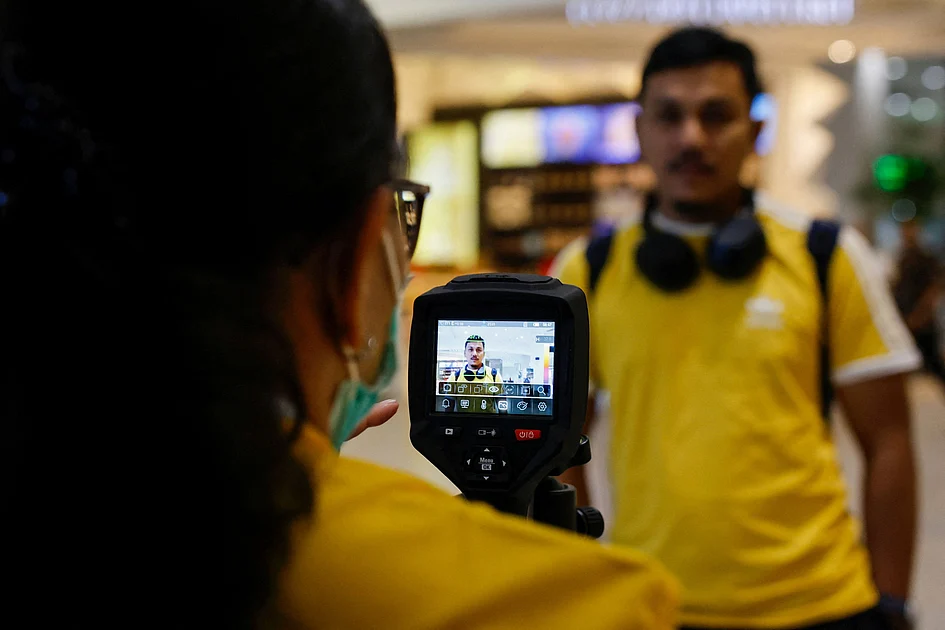
Regarding airport screening implementations in various countries, medical experts acknowledge these measures provide an additional security layer by identifying visibly ill passengers, particularly those exhibiting fever. However, physicians note the limitations of such screenings since early Nipah symptoms often mimic common viral infections.
“While screening contributes to safety protocols, it cannot guarantee complete protection,” Dr. Tahilramani notes. “This underscores the critical importance of personal awareness and prompt medical consultation when necessary.”
Travelers visiting regions with reported cases should implement straightforward precautions:
– Avoid close contact with symptomatic individuals
– Maintain rigorous hand hygiene practices
– Refrain from consuming uncovered street-vendor fruits
– Avoid raw or improperly regulated food products
– Limit non-essential hospital visits in outbreak zones
– Healthcare workers should employ full protective equipment including masks and gloves
Post-travel vigilance remains equally crucial. Dr. Deepak Dube, internal medicine specialist at International Modern Hospital Dubai, explains: “Initial presentation may resemble ordinary viral fever, but neurological symptoms including confusion, excessive drowsiness, seizures, or behavioral changes require immediate medical attention.”
Medical professionals advise that fever accompanied by confusion or seizures warrants urgent care. Affected individuals should avoid public gatherings and explicitly inform healthcare providers of recent travel history.
The consensus among UAE medical experts emphasizes informed preparedness rather than alarm. Through awareness, practical precautions, and timely medical response, travelers can mitigate risks while maintaining normal travel schedules.