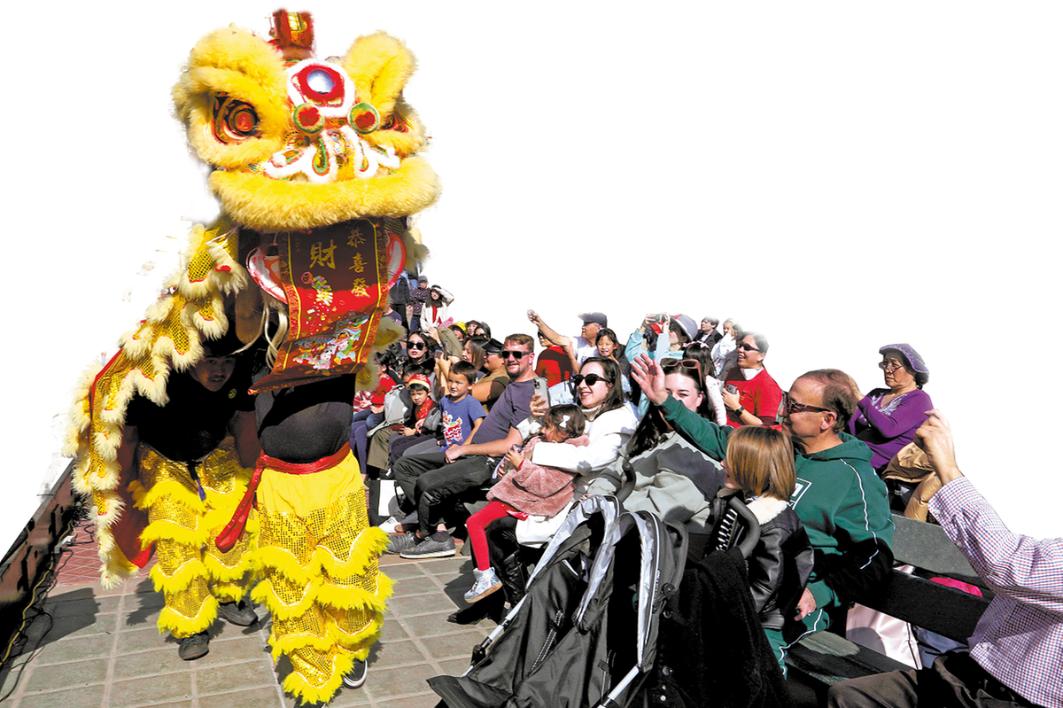
Across American cities from Houston to New York, the vibrant tradition of lion dancing continues to captivate audiences as an essential component of Lunar New Year festivities. This cultural practice, initially introduced by southern Chinese immigrants during the mid-19th century in pioneering Chinatowns, has evolved into a nationally recognized symbol of Spring Festival celebrations.
The ritual, deeply rooted in ancient Chinese mythology, represents the triumph over adversity through its dynamic combination of ferocious lion depictions and percussive music designed to ward off evil spirits. The performance serves as both cultural preservation and public spectacle, bringing communities together in celebration of prosperity, good fortune, and renewed beginnings.
In Houston alone, established lion dance teams typically complete 30-50 annual performances during the Spring Festival period. The Shaolin Temple Cultural Center in Houston, representing one such organization, reports nearly 40 scheduled appearances for various businesses and community groups during this year’s celebrations. Master Shi Yan Chan notes that over one hundred wushu students at the center are trained in lion dance techniques, with more than twenty dedicated core members specializing in this traditional art form.
The tradition’s expanding appeal is evidenced by its inclusion in mainstream venues such as Space Center Houston, which featured consecutive days of lion dance performances this year. The center promotes the event as ‘an incredible traditional Chinese dance in which dancers are masked and costumed to resemble lions.’
New York’s Chinatown maintains particularly deep roots in this tradition, with continuous lion dance performances occurring throughout the 15-day festival period since the 1800s. The practice has become both a cultural cornerstone and significant tourist attraction, drawing thousands of spectators to lower Manhattan. Additional performances across Hudson Yards, Seaport, Flushing, Sunset Park, and major cultural institutions solidify New York’s status as potentially the most active city for lion dance celebrations in the United States.