Southwest China’s Guizhou province, home to 48 of the country’s 56 ethnic groups, has long been a hub of cultural and medicinal diversity. In Tongren, a city in Guizhou, Bai Yutao, a rehabilitation physician and acupuncturist, employs traditional Qiang ethnic techniques to treat patients. His method, known as ‘white-stone therapy,’ involves immersing polished stones in herbal broth, wrapping them in cloth, and rolling them across a patient’s back to release muscle tension. This fusion of ancient practices and modern medical care exemplifies Guizhou’s unique approach to traditional Chinese medicine (TCM).
Guizhou’s rich ethnic heritage has become a cornerstone of its TCM industry. At Jiangkou County Hospital of Traditional Chinese Medicine, Bai and his team have adapted Qiang manual techniques to meet clinical standards, ensuring safety and efficacy. Historically, ethnic healing systems like Miao and Qiang medicine included shamanistic elements and were passed down orally. However, as younger generations pursue formal education and urban jobs, the number of traditional healers is dwindling. Bai emphasizes the need to preserve these cultural roots while making them accessible to a broader audience.
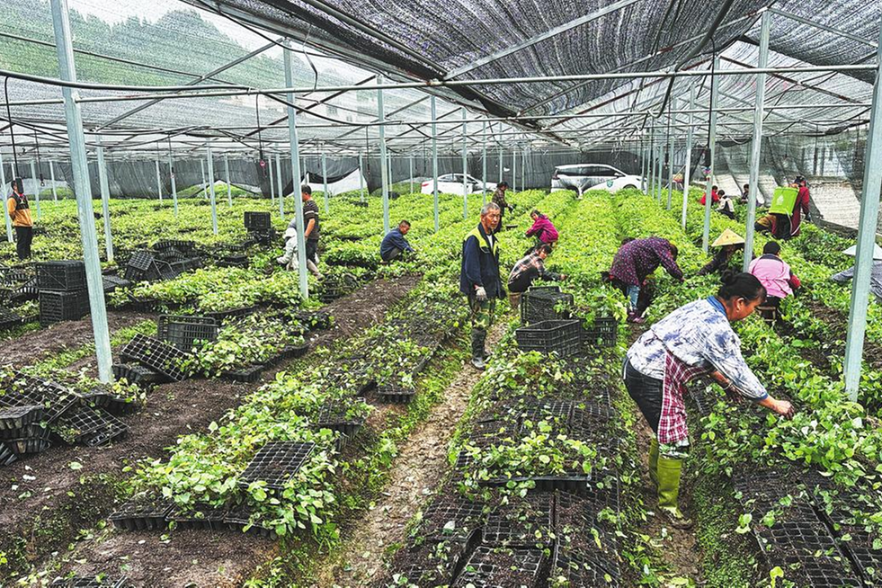
In 2024, Tongren was designated a national pilot zone for the inheritance and innovative development of TCM. Efforts include standardizing treatments, regulating medicinal materials, and establishing quality control centers. The region is also leveraging its unique plant resources for economic growth. For instance, barrenwort, a herb known for strengthening tendons and bones, is cultivated in Jiangkou county and has become a staple in medicines and supplements. State-owned China National Pharmaceutical Group has partnered with local cooperatives to build the country’s largest barrenwort breeding base, providing technical guidance and purchase guarantees to farmers.
Guizhou’s aromatic and medicinal raw materials are also gaining international recognition. Companies like Guizhou Miaoyao Biotech Co export essential oils and plant extracts, with valerian oil being a major product. The company supports over 3,000 cooperative households and plans to expand its branded wellness products. This blend of tradition and innovation is transforming Guizhou’s healthcare landscape while boosting its economy.