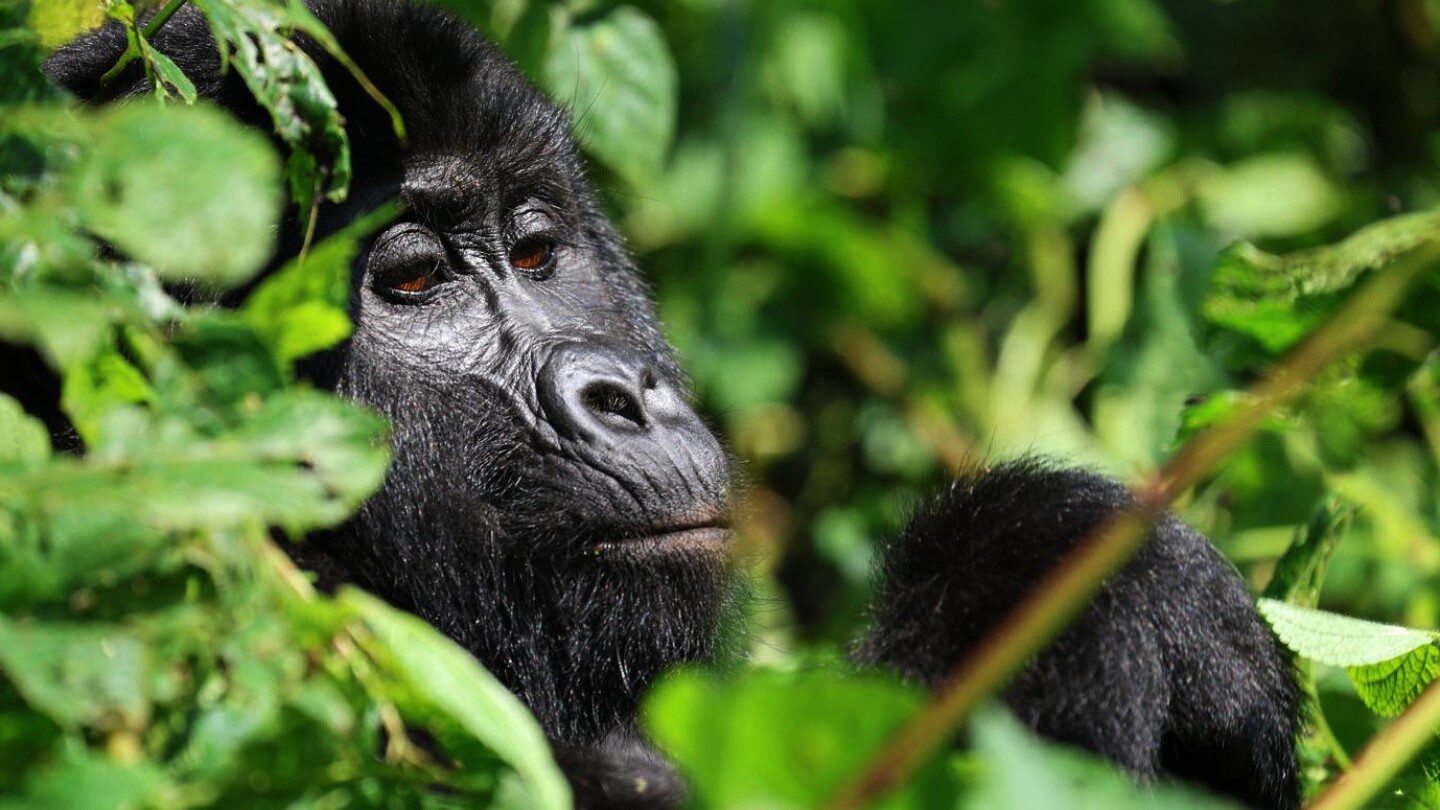
In the misty highlands of Uganda’s Bwindi Impenetrable National Park, the fate of the endangered mountain gorillas has become a shared concern for local communities. These majestic primates, many of whom have been given names, are not just symbols of biodiversity but also pillars of a thriving tourism economy. The park, a UNESCO World Heritage Site, has witnessed a remarkable transformation, with former poachers now leading conservation efforts and local women taking on roles as porters and guides. This shift underscores the profound economic and cultural impact of gorilla tourism on the region. Joyleen Tugume, a ranger-guide, reflects on the community’s emotional connection to the gorillas: ‘When a gorilla falls ill, everyone is concerned. It’s as if one of our own is suffering.’ This sentiment is echoed by Philemon Mujuni, a reformed poacher who now advocates for the protection of the species. Mujuni, once a hunter who viewed gorillas as threats, now leads a group of former poachers dedicated to safeguarding the primates. Their efforts, combined with the vigilance of armed rangers, have significantly reduced poaching and habitat encroachment. The economic benefits of gorilla tourism are undeniable. Tourists pay $800 per permit to observe these animals in their natural habitat, with $10 from each fee reinvested into local communities. This revenue has funded essential projects, from healthcare to water provision, fostering a sense of ownership and responsibility among residents. The mountain gorilla population, once teetering on the brink of extinction, has seen a remarkable recovery, with numbers exceeding 1,000 in recent years. This success story is a testament to the power of community-driven conservation and the transformative potential of sustainable tourism. As Tugume aptly puts it, ‘We are all working together to ensure conservation succeeds because we all benefit.’