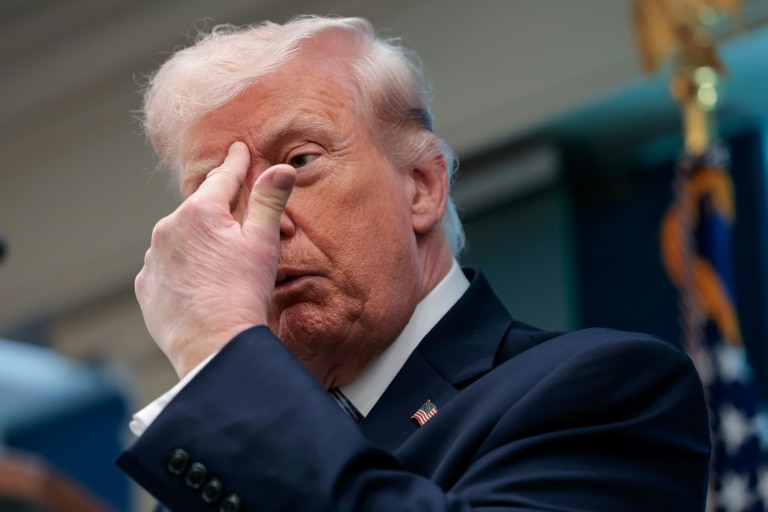
Just 12 hours after issuing an apocalyptic warning that an entire civilization could be wiped out by conflict, U.S. President Donald Trump stood before the public to hail a new ceasefire agreement with Iran as a landmark win for global security. But the triumphant tone has quickly given way to fierce debate, with detractors arguing the shaky two-week truce is just the latest example of a well-documented pattern they have labeled with the viral trader-coined acronym: TACO, short for “Trump Always Chickens Out.”
Trump, a former real estate developer who built his public brand on the negotiating playbook outlined in *The Art of the Deal*, has built a reputation for leaning into maximalist opening positions to gain maximum leverage over counterparties. In the lead-up to the ceasefire, that style included dire threats to bomb Iranian infrastructure back to the Stone Age, targeting civilian energy facilities and key bridge networks. For the president, that hardline pressure worked exactly as planned.
In a brief post-announcement phone interview with Agence France-Presse, Trump insisted he had secured “Total and complete victory, 100 percent. No question about it.” White House Press Secretary Karoline Leavitt echoed that narrative, telling reporters that the entire timeline was intentional from the start. The administration’s military campaign, codenamed Operation Epic Fury, was always planned to run four to six weeks, she said, and the success of U.S. military operations created the leverage necessary to open productive negotiations.
But critics across the political spectrum say the pattern that played out with Iran matches a consistent trend they have observed across Trump’s handling of everything from trade tariffs to territorial disputes to international conflicts: ramp up threats to the brink of major conflict, then back down when market and political pressure builds, all while declaring a premature victory. That pattern has become so predictable that political analysts and even former allies have joined in the criticism.
“President Trump is proving to be an increasingly unpredictable force and unreliable ally,” said Peter Loge, director of George Washington University’s School of Media and Public Affairs, in an interview with AFP. Loge, who accurately predicted Tuesday morning that Trump would declare a self-proclaimed win and agree to a two-week ceasefire, added: “The only consistent thing President Trump does is declare victory.” For long-time Trump observers, the two-week timeline of the truce is also a familiar marker, one the president has relied on in multiple past crises to pause conflict while claiming success.
Leading Democratic critics have launched especially sharp attacks, arguing the president stretched executive power far beyond its limits while a largely compliant Congress is out of session. Senate Minority Leader Chuck Schumer has labeled Trump a “military moron” and announced the Senate will hold a vote next week on a new war powers resolution to rein in the administration’s authority. Schumer argued that the ceasefire leaves Iran still firmly in control of the strategically critical Strait of Hormuz, giving the country outsized influence over global energy prices, and has done nothing to roll back Iran’s stockpile of highly enriched uranium or block its path to a nuclear weapon.
Republican lawmakers are also growing nervous about the political fallout of the conflict, as American households already struggle with rising cost of living ahead of November’s midterm elections that will determine which party controls Congress. “All of this happens when one man…has unchecked power to wage war,” Schumer added.
Even a former Trump ally in Congress has broken with the president over the deal. Former Representative Marjorie Taylor Greene said Thursday that “Trump, ‘the peace President’, should have never started this war alongside Israel, who clearly doesn’t want peace.” Fears over the truce’s longevity have also grown, as Iran has already threatened to walk away from the agreement if Israel does not halt its military operations in Lebanon.
Still, Trump’s loyal supporters have defended the deal and his negotiating approach. Fox News host and long-time Trump ally Laura Ingraham argued shortly after the ceasefire announcement that the president’s strategy worked as intended. “It looks like Trump ultimately hits the home run here, takes it to the brink. Iran blinks,” Ingraham said on her show. For now, the truce remains on shaky ground, and the debate over whether Trump secured a historic foreign policy win or caved at the last minute looks set to drag on through the upcoming midterm campaign.