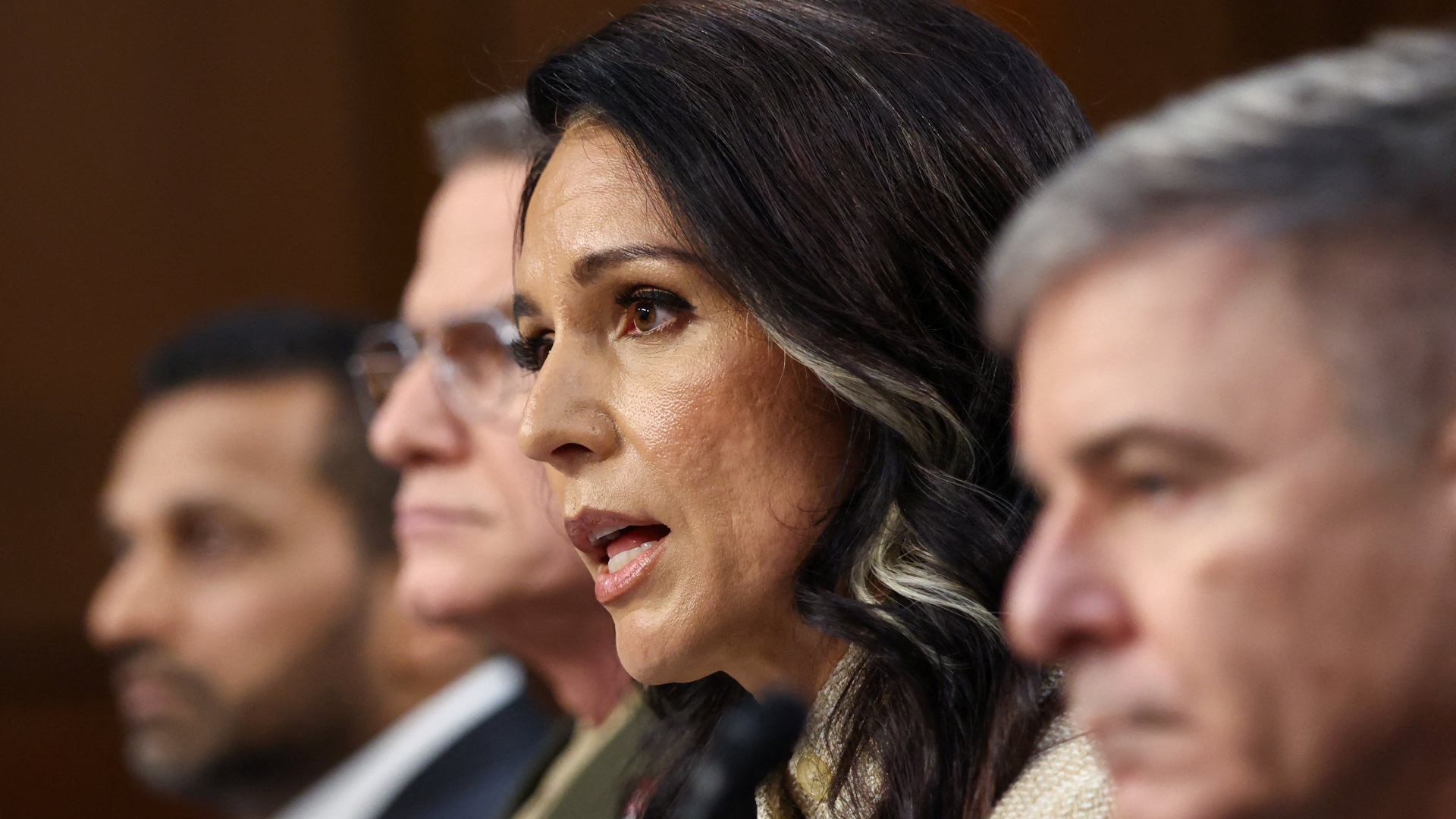
A tense Senate Intelligence Committee hearing on Wednesday revealed significant tensions between the intelligence community and the White House regarding the ongoing military engagement with Iran. Director of National Intelligence Tulsi Gabbard asserted that determining what constitutes an “imminent threat” to the United States falls exclusively within presidential authority, not the intelligence community’s purview.
The hearing, occurring during the fourth week of joint U.S.-Israel operations against Iran, focused extensively on whether President Trump received adequate intelligence assessments before initiating hostilities. Democratic senators expressed particular concern about the administration’s apparent surprise when Iran retaliated by targeting Washington’s Gulf partners and moving to block the strategically vital Strait of Hormuz.
Senator Jon Ossoff (D-GA) directly questioned whether intelligence assessments had identified an imminent nuclear threat from Iran, to which Gabbard responded: “Senator, the only person who can determine what is and is not an imminent threat is the president… it is not the intelligence community’s responsibility.” This exchange highlighted the fundamental disagreement between legislators and the intelligence director regarding proper threat assessment protocols.
The proceedings revealed additional complications stemming from Gabbard’s appointment. Democrats suggested her longstanding anti-war stance—maintained during her tenure as both a Democratic and Republican congresswoman—may have contributed to her marginalization within administration decision-making circles.
CIA Director John Ratcliffe intervened during the hearing to defend the administration’s preparedness, stating intelligence officials had provided constant briefings regarding Iran’s capabilities and intentions. He revealed that intelligence indicated “Iran had specific plans to hit US interests in energy sites across the region,” prompting protective measures before Operation Epic Fury.
The human cost of the conflict emerged during testimony, with disclosures that six soldiers died in Kuwait during the initial 48 hours of hostilities at an inadequately fortified facility. Additionally, over one million U.S. citizens across the region received only shelter-in-place instructions after hostilities began, with evacuation plans delayed several days.
Public opinion appears to be turning against the administration’s handling of the conflict. A Yahoo/YouGov survey released Wednesday showed two-thirds of Americans disapprove of President Trump’s management of rising gasoline prices directly linked to the Iranian conflict.