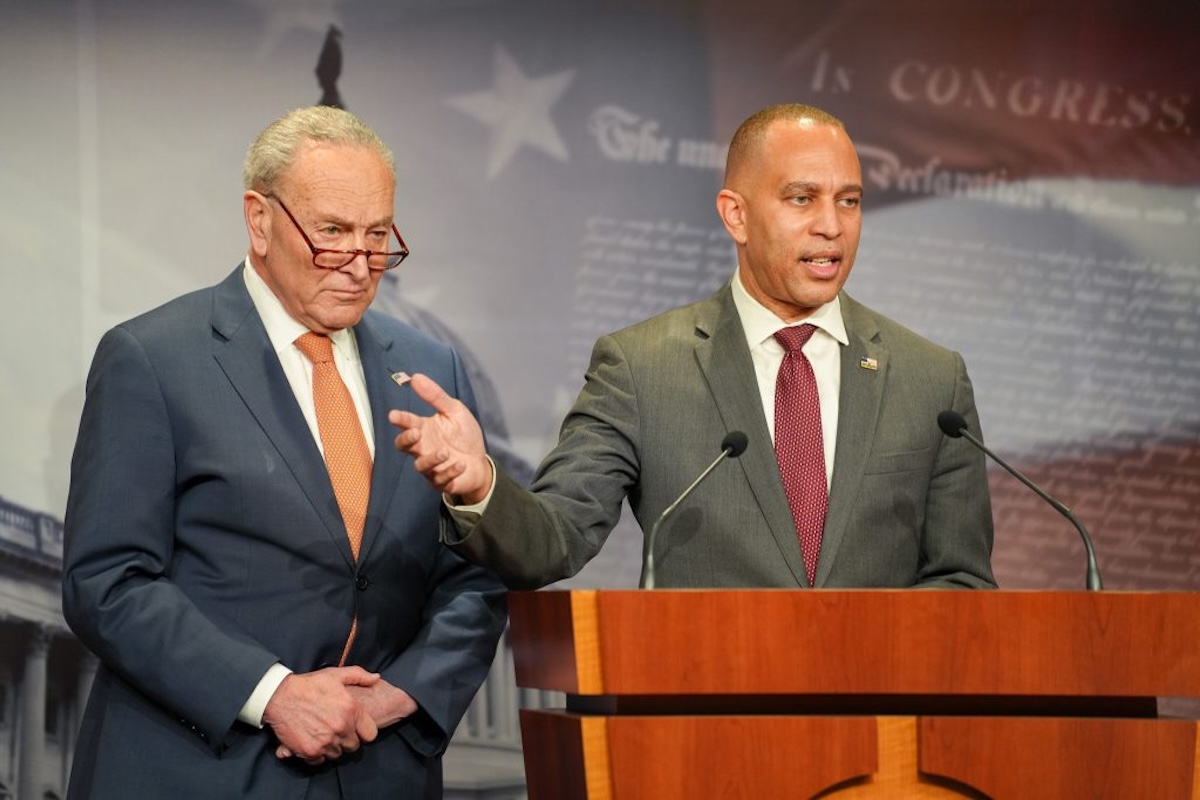
A significant political confrontation is unfolding in Washington as Democratic leadership faces internal dissent over handling potential military action against Iran. Representatives Ro Khanna (D-CA) and Thomas Massie (R-KY) have introduced a bipartisan war powers resolution requiring congressional authorization for any attack on Iran, responding to President Trump’s military buildup in the Middle East and signals of imminent strikes.
Despite overwhelming public opposition to war with Iran—with only 27% supporting military action according to a recent YouGov poll—Democratic leadership on the House Foreign Affairs Committee has reportedly worked to suppress the resolution. Multiple sources indicate committee staffers deliberately inflated projections of Democratic opposition, suggesting 20-40 potential defections, to discourage support for the measure.
Senior Democratic staffers acknowledge leadership employs familiar tactics to delay or sideline votes on contentious foreign policy matters. Rather than openly opposing popular measures, they utilize procedural objections and unity arguments to maintain party consensus. This approach mirrors previous handling of war powers votes that challenge national security establishment positions.
Notable Democrats including Senate Minority Leader Chuck Schumer have focused criticism on procedural aspects rather than substantive opposition to potential military action. Schumer, a top recipient of AIPAC funding, has emphasized the need for public discussion rather than closed-door briefings but hasn’t questioned the policy itself.
Similarly, Senator Chris Coons (D-DE) expressed concerns about unclear objectives rather than opposing military action in principle. This positioning occurs as reports indicate Trump considers massive operations potentially including assassination of Iranian leaders, while Iran has warned of retaliatory strikes against US bases.
Behind the scenes, some Democrats reportedly believe Iran requires military confrontation but prefer Trump bear the political consequences. According to sources, the calculation involves allowing Trump to initiate conflict that would damage both Iran and his political standing.
The resolution faces additional opposition from pro-Israel Democrats Representatives Jared Moskowitz (D-FL) and Josh Gottheimer (D-NJ), who derided it as the ‘Ayatollah Protection Act’ despite intelligence assessments contradicting their nuclear weapons claims. Iran has expressed willingness to negotiate limits on nuclear development in line with nonproliferation treaties.
Representative Khanna argues opposition stems from powerful interests seeking regime change in Iran and suggests colleagues avoid contentious positions to prevent targeting by influential donors. He continues rallying support for the resolution, acknowledging challenges in overcoming congressional preference to avoid difficult foreign policy votes.