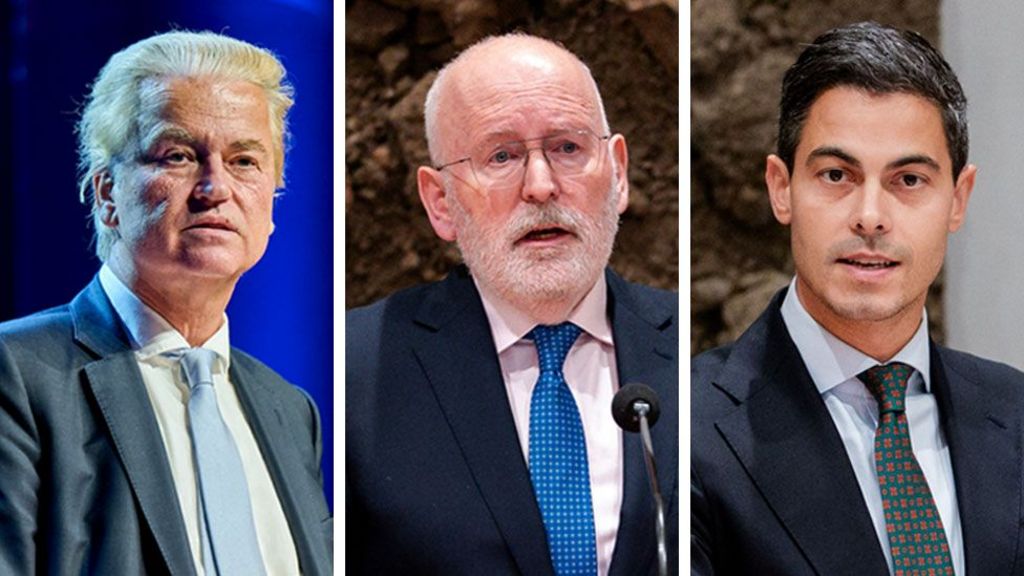
The Netherlands is on the brink of a pivotal election as Geert Wilders’ anti-Islam Freedom Party (PVV) faces a fierce challenge from left-leader Frans Timmermans and liberal Rob Jetten. Despite Wilders’ victory in the 2023 elections, his prospects of forming a government appear slim this time around. Opinion polls indicate a decline in his support, with Dutch voters grappling with pressing issues such as a chronic housing shortage, rising living costs, and overcrowded asylum centers. Unlike the previous election, Wilders’ rivals are refusing to collaborate with him after he dissolved his own coalition government in June 2024. The election, which commenced at 07:30 local time on Wednesday, is marked by uncertainty, with over a third of voters undecided. Analysts suggest that the second-place finisher could play a decisive role in forming the next government, likely from the center-left or center-right. Wilders’ controversial stance on immigration and Islam, coupled with internal party issues, has alienated both radical and moderate voters. Meanwhile, Timmermans and Jetten have prioritized addressing the housing crisis, with promises of significant construction projects. Unemployment, though low by European standards, has risen to 4%, the highest in four years, fueling voter anxiety. As the Dutch electorate seeks stability, the election outcome could signal a shift away from populism towards more traditional governance.
Tight race in Dutch election as anti-Islam populist Wilders’ hope of power declines