A severe environmental emergency has unfolded in Moldova after a Russian military strike on Ukrainian infrastructure triggered massive oil contamination in the Dniester River, leaving tens of thousands without access to clean water. The crisis originated from an attack on Ukraine’s Novodnistrovsk hydropower plant on March 7th, located merely 15 kilometers upstream from Moldova’s northern border with Ukraine.
Moldovan President Maia Sandu has explicitly attributed responsibility to Russia, declaring the pollution incident “threatening Moldova’s water supply” in the Eastern European nation currently pursuing EU candidacy. The hydroelectric facility typically provides water to approximately 80% of Moldova’s population of 2.5 million people.
In response to the escalating situation, Moldova’s environment ministry instituted a 15-day environmental state of alert, enabling authorities to implement emergency technical interventions and impose temporary water restrictions. “We are taking this decision to make sure we prevent any risk to the population’s health,” the ministry stated, citing “continuous wave of pollution with oil products” and exceeding contaminant levels in the river’s northern section.
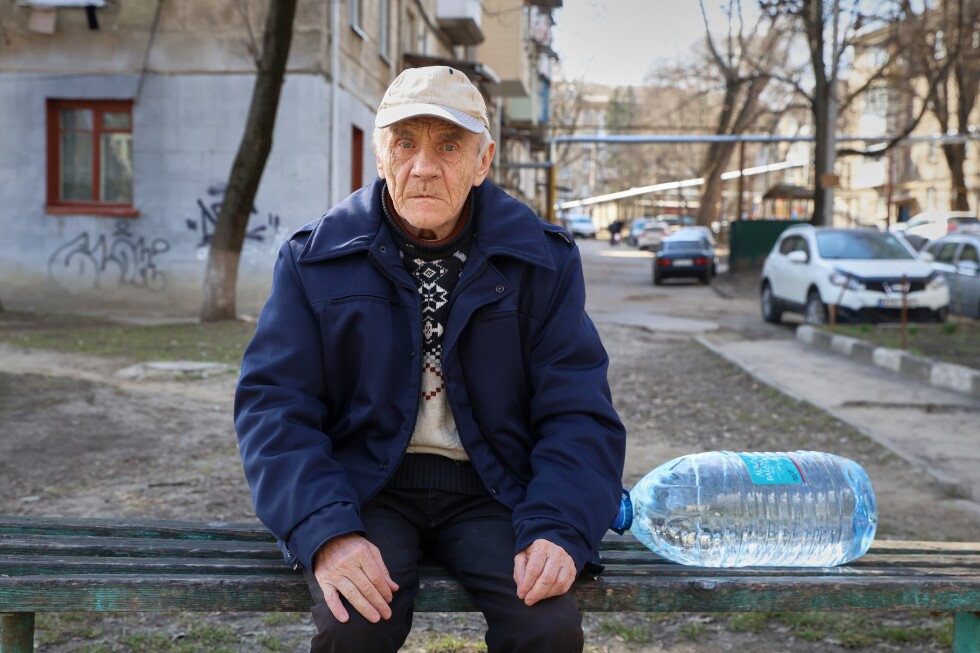
The water shortage has particularly impacted Moldova’s second-largest city Balti, where approximately 90,000 residents have been affected. Military personnel have been deployed to distribute drinking water via tanker trucks while humanitarian assistance arrives from neighboring Romania. Elderly residents like 84-year-old Liuba Istrati face particular hardship, carrying buckets of water to fifth-floor apartments for herself and her bedridden husband.
Environmental monitoring has shown recent improvements, with officials reporting that three critical monitoring points have “reached the admissible limit” of oil pollution for the first time since the crisis began. Environment Minister Gheorghe Hajder indicated that if water quality maintains or improves over the next 48 hours, authorities may consider reopening a crucial pumping station on the northeastern border.
Moldova’s General Prosecutor’s Office has announced plans to initiate a criminal investigation into the incident, while the foreign ministry presented Russia’s ambassador with a sample of the contaminated water. The Russian embassy has countered these allegations, claiming Moldovan authorities have provided no concrete evidence of Russia’s involvement and have put forward “conflicting theories” about the pollution’s origin.
Environmental experts caution that the full ecological impact remains uncertain. Biologist Ilya Trombitsky noted that while some invertebrate species have already perished, the long-term consequences depend on the specific pollutants involved—information that remains unclear. “Moldova does not have experience in such spills,” Trombitsky acknowledged, highlighting the unprecedented nature of this environmental challenge.