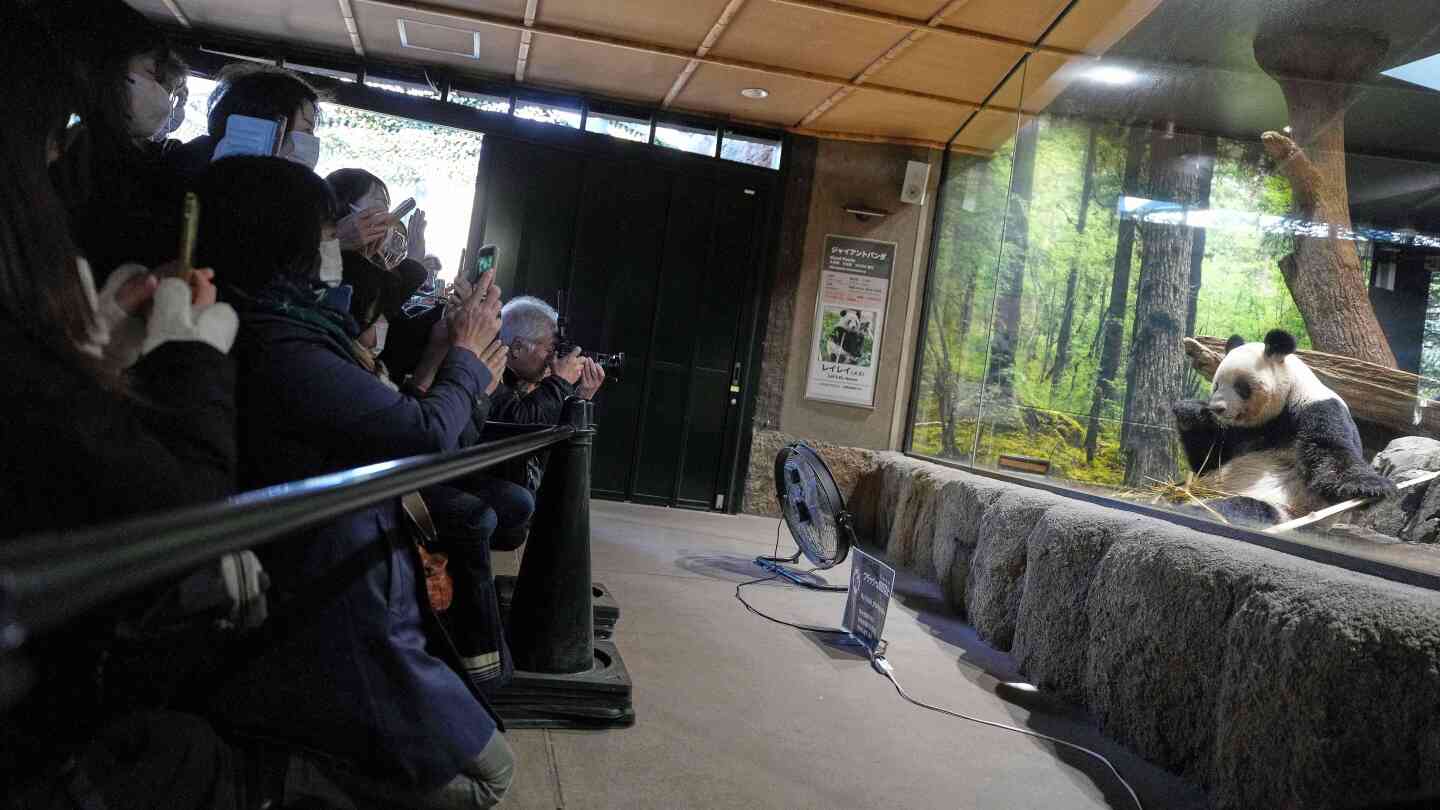
Tokyo’s Ueno Zoological Gardens is witnessing emotional farewells as thousands of visitors queue for hours to bid farewell to giant panda twins Xiao Xiao and Lei Lei before their scheduled return to China in late January. The four-year-old siblings, born at the zoo in June 2021, will make their final public appearance on January 25th, marking the end of an era as Japan faces its first panda-free period in over fifty years.
The departure coincides with significantly deteriorated diplomatic relations between Tokyo and Beijing. Tensions escalated sharply in early November when Japanese Prime Minister Sanae Takaichi suggested potential military involvement should China impose naval blockades against Taiwan. Subsequent Chinese restrictions on tourism to Japan and cancellation of cultural exchanges have been followed by recent military provocations, including Chinese aircraft carrier drills near southern Japan and radar-locking incidents targeting Japanese aircraft.
Panda diplomacy, a longstanding symbol of Sino-Japanese relations since the first pandas arrived in 1972 to commemorate normalized diplomatic ties, now faces uncertainty. While Chief Cabinet Secretary Minoru Kihara expressed hope for continued panda exchange programs, zoo officials acknowledge the challenging prospects for replacement pandas given current political realities.
Visitors like Yuki Imai from Kanagawa prefecture expressed shock at the sudden departure announcement, while Kazuhiro Yamamoto and his wife Hiroko waited over two hours for their one-minute viewing window, speculating about the connection between diplomatic tensions and the accelerated return timeline.
The zoo has implemented new viewing restrictions, limiting access to 4,800 pre-registered visitors weekly for one-minute slots. Curator Hitoshi Suzuki acknowledged the challenges of raising the twins but emphasized the “great delight” they brought to visitors. The zoo will maintain panda facilities in anticipation of future arrivals while promoting other animals during the interim period.