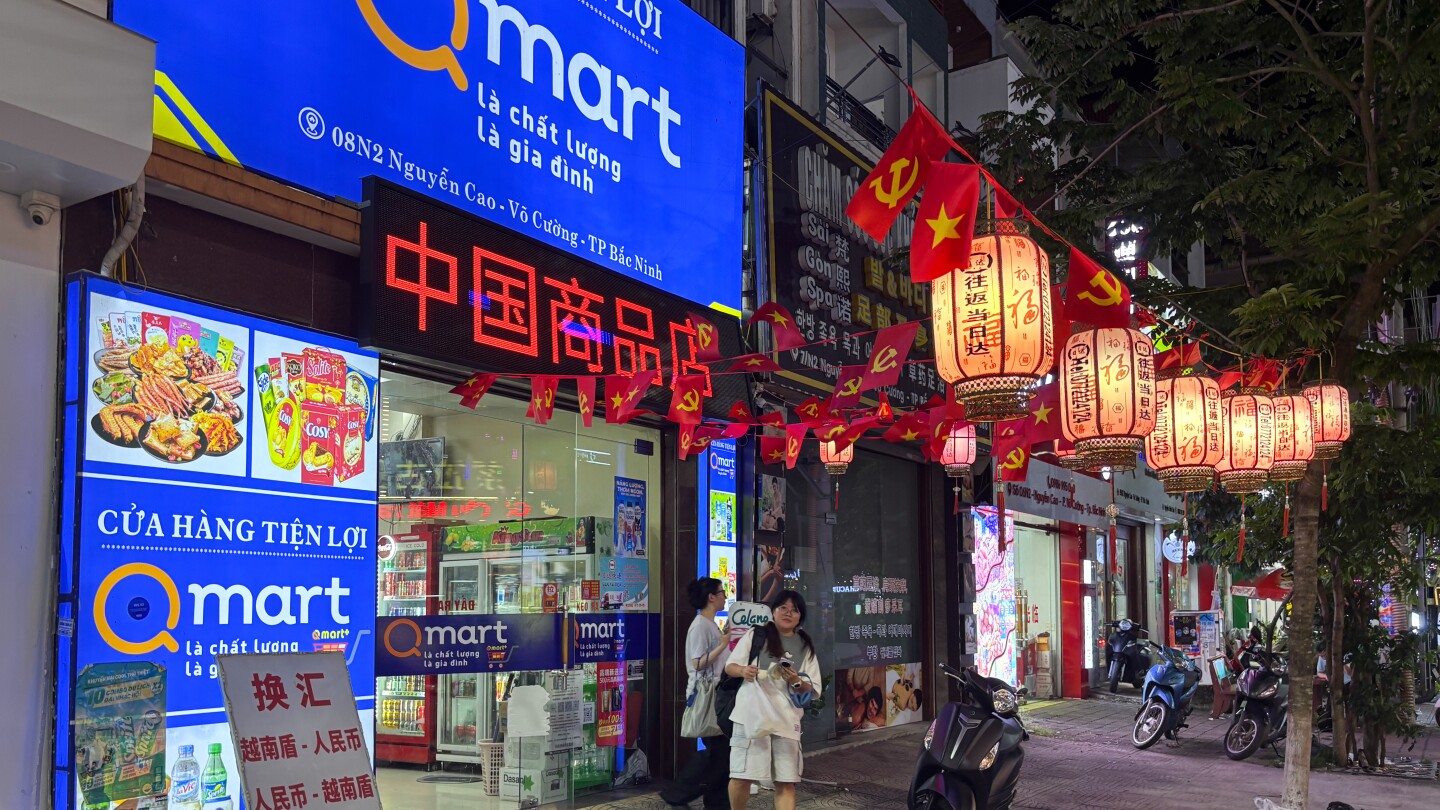
BAC NINH, Vietnam — The northern Vietnamese city of Bac Ninh embodies both the remarkable opportunities and mounting challenges facing the nation’s manufacturing sector. Once celebrated for its rice paddies and traditional Quan Ho folk music, this urban center has transformed into one of Vietnam’s most dynamic industrial zones, driven by foreign investment accelerated by U.S.-China trade tensions.
The city’s evolution began with Samsung’s landmark 2008 phone factory establishment, which positioned Vietnam as the tech giant’s largest offshore production base. More recently, Chinese manufacturers have flooded into Bac Ninh, diversifying their operations to circumvent U.S. tariffs and trade restrictions. These companies leverage Vietnam’s established electronics supply chains, competitive labor market, and supportive local governance, often facilitated by Chinese-speaking intermediaries who streamline administrative processes.
However, Vietnam’s manufacturing miracle faces significant headwinds. Labor costs have surged 10-15% since 2024, creating recruitment challenges that threaten the ‘China plus one’ diversification strategy embraced by global corporations. Infrastructure limitations and rising operational expenses are exposing the constraints of Vietnam’s rapid industrial expansion.
The nation confronts intensifying competition from regional rivals including Indonesia and the Philippines, both aggressively promoting themselves as alternative manufacturing hubs. The Philippines recently enacted legislation allowing foreign investors 99-year land leases to attract long-term industrial commitments.
Despite these challenges, Vietnam continues to attract substantial foreign investment, with cumulative inflows reaching $28.5 billion by September, representing a 15% year-over-year increase. The country is pursuing an ambitious economic transformation, aiming to evolve from low-cost assembly operations to high-value manufacturing in electronics, pharmaceuticals, and clean energy equipment.
National development strategies include significant infrastructure enhancements, such as new highways reducing travel time to the Chinese border and railway connections linking Hanoi to Haiphong port. In December, Bac Ninh initiated expansion of a high-tech industrial zone, part of a synchronized nationwide push involving 234 major projects valued at over $129 billion.
Vietnam simultaneously seeks to diversify its export markets beyond the United States, targeting expanded trade with the Middle East, Latin America, Africa, and India. The country aims to achieve developed nation status by 2045, though this ambition will require navigating complex global supply chain dynamics, technological upgrading, and intensifying regional competition.