Diplomatic efforts to resolve the ongoing conflict between Russia and Ukraine resumed in Geneva this week, with delegations from both nations convening for U.S.-brokered negotiations. The talks, occurring just one week before the fourth anniversary of Russia’s full-scale invasion, proceed under a cloud of skepticism as Moscow maintains its uncompromising territorial demands.
The negotiations, mediated by Special Envoy Steve Witkoff and Senior Advisor Jared Kushner, bring together Ukraine’s National Security Council Secretary Rustem Uierov and Presidential Chief of Staff Kyrylo Budanov facing Russia’s delegation led by Presidential Aide Vladimir Medinsky and military intelligence representatives.
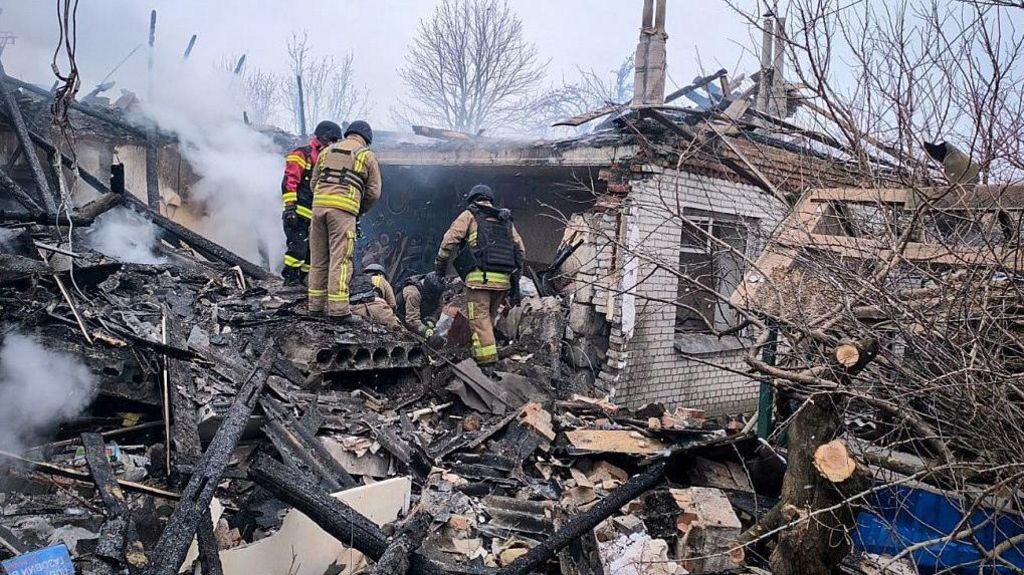
Despite the diplomatic engagement, military actions intensified dramatically hours before the Geneva meeting. Russian forces launched a massive combined aerial assault targeting 12 Ukrainian regions with approximately 400 drones and nearly 30 missiles. The attacks resulted in at least three fatalities and multiple injuries, including children, while causing extensive damage to residential buildings and critical infrastructure.
Ukrainian officials reported particularly severe consequences for the country’s already compromised energy grid. DTEK, Ukraine’s largest private energy firm, described the damage to power infrastructure in the southern port city of Odesa as “incredibly serious,” warning of prolonged restoration efforts. Deputy Energy Minister Artem Nekrasov confirmed three energy workers were killed near the frontline city of Slovyansk during overnight attacks.
President Volodymyr Zelensky emphasized that “Russia must be held to account for its aggression,” asserting that any meaningful peace must address “the sole source of this aggression.” Ukrainian Foreign Minister Andrii Sybiha characterized the timing of the attacks as demonstrating Russia’s disregard for genuine peace efforts.
Meanwhile, Russia claimed its air defenses intercepted over 150 drones, and reported that an oil refinery in the Krasnodar region caught fire following Ukrainian drone strikes. The border region of Belgorod also sustained significant power infrastructure damage from Ukrainian attacks.
Kremlin spokesman Dmitry Peskov tempered expectations for immediate breakthroughs, indicating discussions would continue through Wednesday. The current talks follow trilateral negotiations in Abu Dhabi last month, which marked the first three-way discussions since the invasion began but yielded no substantial progress beyond subsequent prisoner exchanges.
The conflict continues with Russia occupying approximately 20% of Ukrainian territory, including significant portions of the Donbas region. While Moscow demands control of remaining Donbas territories, Kyiv insists on robust Western security guarantees before considering any settlement.