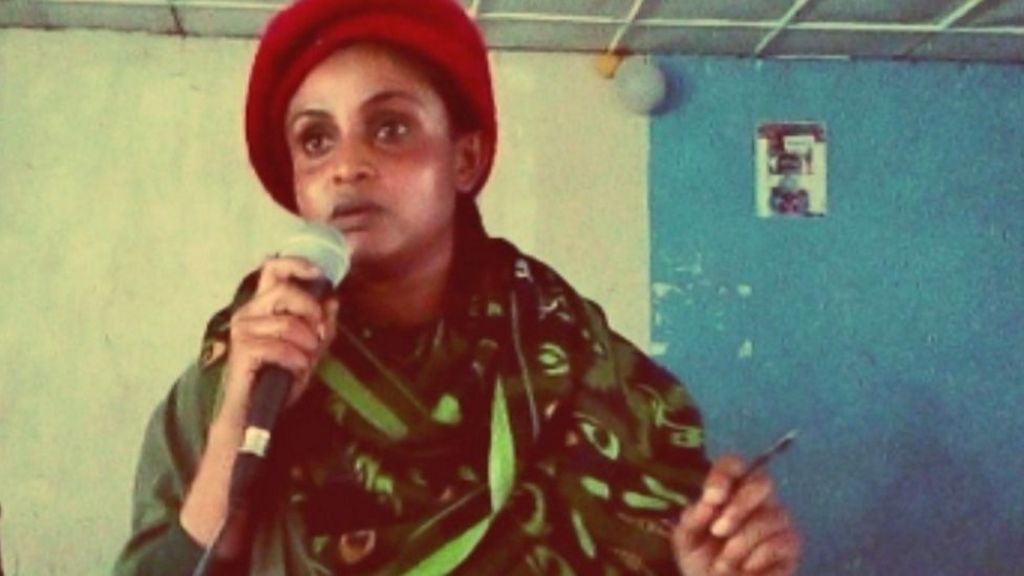
In the aftermath of Ethiopia’s devastating two-year civil war, female veterans from the Tigray region continue grappling with profound psychological wounds while facing the terrifying prospect of renewed hostilities. Their stories reveal the hidden human cost of conflict that extends far beyond battlefield casualties.
Abeba Amdu, once a promising 22-year-old football star studying IT in Mekelle, saw her athletic career and academic ambitions shattered by the conflict. The talented striker who challenged traditional gender norms in sports now bears both physical and emotional scars from her military service. “I lost everything,” she confesses, describing how the trauma has left her isolated and unable to reclaim her former athletic prowess.
Her decision to join the Tigray Defence Forces stemmed from both familial legacy—her parents were veterans of the 1991 revolution—and the terrifying reports of systematic sexual violence against Tigrayan women. “It was the whole situation that forced me to fight,” she explains, noting that basic necessities like sanitary pads became luxury items during combat.
The war officially concluded with an African Union-brokered peace agreement in 2022, but peace remains elusive for these veterans. Selam Hailu, a 30-year-old lawyer and mother of two, joined the conflict after her retired parents returned from frontline service physically broken and bearing accounts of “sexual violence and mass killings.”
As an educated professional, Selam confronted institutional sexism within military leadership, challenging the “unprincipled relationships” between officers and young female combatants. Her advocacy resulted in overnight detention—a punishment that highlighted the systemic challenges women faced even within their own forces.
Dr. Rahwa Gebremedhin, a university lecturer, approached the conflict from an academic perspective, her military knowledge derived solely from war films. The transition back to civilian life has proven nearly impossible, with she and many others displaying “all the symptoms of PTSD.” She states bluntly: “I’m just trying to survive.”
These women’s struggles are compounded by recent military developments. January witnessed brief clashes between federal troops and Tigrayan fighters, accompanied by drone strikes and suspended flights. Both sides exchange accusations: the federal government alleges Eritrean interference while the TPLF claims troop buildups along regional borders.
Abeba articulates the collective anxiety: “Right now, I see fear everywhere—the fear of another conflict.” Their hard-won perspective suggests diplomatic solutions rather than renewed combat: “We have seen that in the end, it is negotiation—not combat—that provides the solution.”
Despite attempts at rebuilding—Abeba briefly established a women’s football mentoring program called “Wegahta”—financial constraints and psychological burdens have hampered recovery efforts. These initiatives represent not just career moves but desperate searches for sanctuary from memories that continue to haunt Ethiopia’s female veterans.