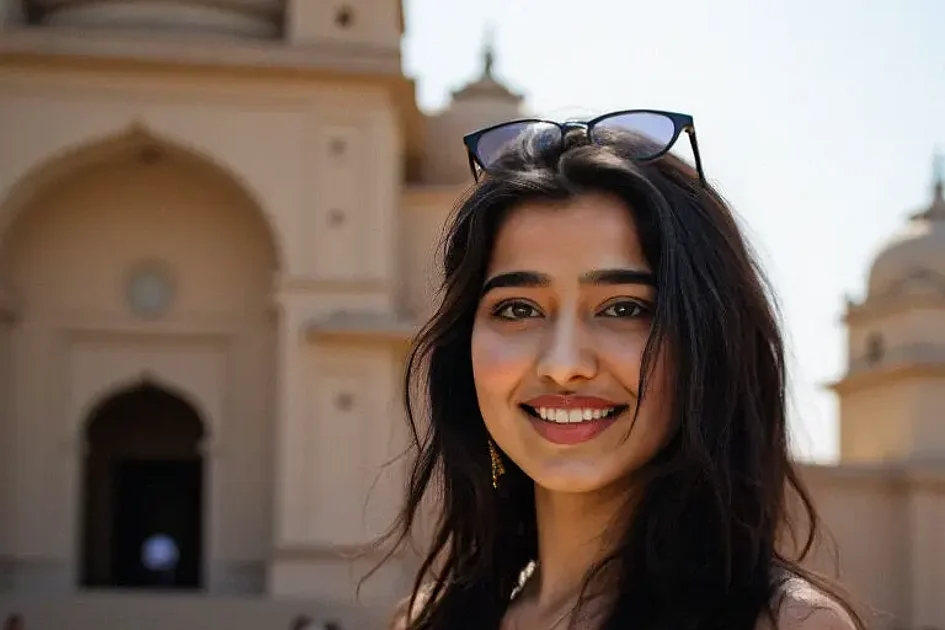
The travel marketing landscape is undergoing a radical transformation as artificial intelligence avatars increasingly replace human influencers. These digitally crafted personalities, boasting flawless appearances and compelling narratives, are being deployed by tourism boards, airlines, and hospitality companies to promote destinations at a fraction of traditional costs.
Unlike their human counterparts, AI influencers like Radhika—who showcases northeastern India’s culinary and cultural attractions to thousands of Instagram followers—require no travel expenses, accommodations, or compensation. Qatar Airways’ virtual flight attendant Sama engages with over 328,000 followers through emoji-filled posts and simulated interactions, while Germany’s digital storyteller Emma promotes wine country experiences with photorealistic authenticity.
This technological shift presents significant economic advantages for marketers. According to industry expert Steve Morris of New Media, basic AI avatars can be created for $500-$2,000 using existing libraries, while fully customized digital personas with unique personalities and learning capabilities cost $5,000-$15,000. This represents substantial savings compared to the $100,000+ fees commanded by top human influencers for single posts.
The trend has triggered concern among content creators who fear displacement. Travel influencer Jen Ruiz notes the emerging ‘uproar among creators who feel they’re being replaced by an entity that doesn’t share their passion or experience.’ Established influencers like Christiana Ballayan report noticeable reductions in brand partnerships and compensation as companies redirect marketing budgets toward AI solutions.
Beyond economic implications, the proliferation of AI influencers blurs the line between digital and physical reality. Many followers interact with these avatars as genuine personalities, sometimes leaving romantic comments on AI-generated content. Marketing technology expert Ari Adnan Cibari predicts these systems will soon become ‘agentic,’ capable of autonomously assisting followers with travel bookings and reservations.
This evolution raises profound questions about authenticity in digital marketing. As filmmaker Taliesen Black-Brown observes, social media already felt ‘fake and vapid,’ but AI influencers represent ‘even more inauthentic content disconnected from real human experience.’ Despite these concerns, industry adoption continues accelerating, with approximately half of travel marketers currently experimenting with AI-generated content and allocating 20-30% of budgets to this emerging technology.