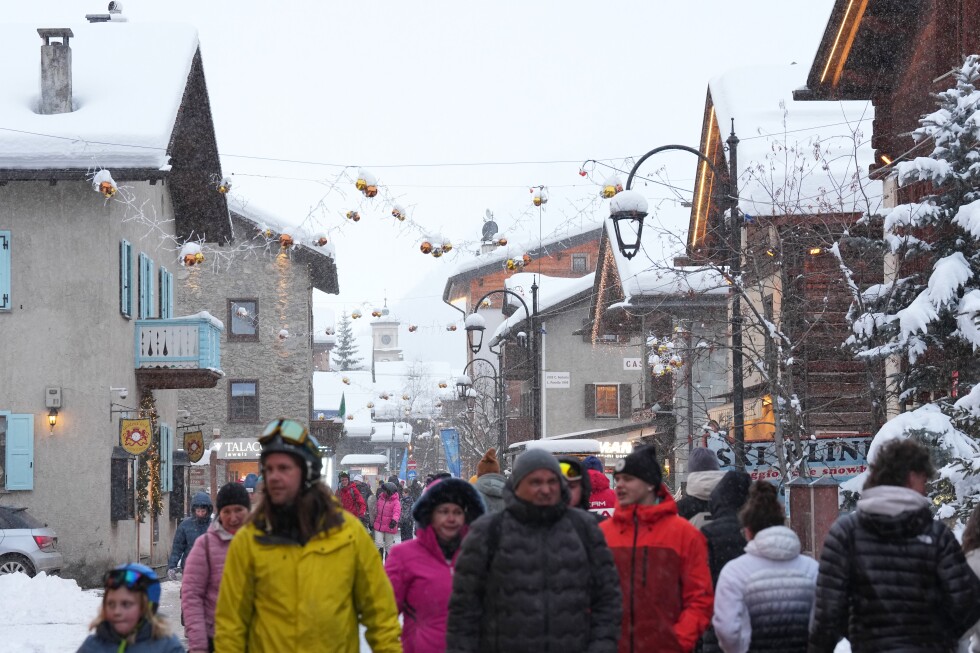
LIVIGNO, Italy — Nestled high in the Italian Alps, the remote village of Livigno presents a paradoxical economic case study during the Winter Olympics. While this historic duty-free zone has long attracted shoppers seeking tax-free luxury goods, the Games have created an unexpected downturn for local retailers despite bringing thousands of visitors to the area.
The centuries-old tax exemption status that typically makes Livigno a shopping destination has ironically limited its immediate economic windfall from hosting Olympic events. Shop owners report dramatic sales declines—some as steep as 70% compared to typical February numbers—as athletes, officials, and event staff have replaced the usual shopping-focused tourists.
Olga Salari, proprietor of a toy store specializing in Lego sets, expressed the widespread sentiment among retailers: “This period is usually our high season with double the normal business. Now it feels like our low season. Olympic visitors don’t even visit the shops.”
The economic divergence is striking: while hotels and restaurants operate at full capacity, retail establishments sit unusually quiet. The requirement that all visitors to Olympic mountain venues must possess accreditation, event tickets, or pre-booked accommodation has effectively eliminated the day-trippers who traditionally drive Livigno’s retail economy.
Livigno’s unique commercial status dates to medieval times when tax exemptions helped the isolated, impoverished community attract goods. Modern infrastructure improvements transformed this historical curiosity into an economic engine, with visitors able to purchase €300 worth of goods exempt from Italy’s 22% sales tax.
Despite current challenges, Olympic organizers and many business owners maintain optimism about long-term benefits. Sergio Schena, a local organizing committee member, anticipates the global exposure will diversify Livigno’s tourist base: “We expect markets to change, attracting more visitors from the United States and Asia, similar to Turin’s experience after 2006.”
The Games have already spurred significant infrastructure investments, including upgraded electrical systems, improved healthcare facilities, and enhanced transportation links that will benefit the region long after the Olympic flame is extinguished.
Derio Claoti, a perfume shop owner experiencing similar sales declines, captured the prevailing hope: “The Games provide 360-degree publicity worldwide. Livigno is being presented exceptionally well.” This sentiment was echoed by Damiano Longa of Golden Clock luxury watches, who believes the advertising value will ultimately justify current losses.
As snowboarders and freestyle skiers soar before global audiences, Livigno bets that its breathtaking alpine scenery and unique shopping advantages will translate into long-term tourism growth, transforming short-term economic pain into lasting gain.