Recent hostilities in the Persian Gulf have thrust the Strait of Hormuz—a critical global energy corridor—back into the international spotlight. With approximately 20% of the world’s oil transiting this narrow waterway, its potential closure alongside attacks on Iranian oil infrastructure has triggered fears of prolonged conflict and soaring fuel prices.
While current analysis focuses on immediate threats from missiles, drones, and mines, a deeper historical narrative underpins these tensions. For over a century, Iran’s vast oil reserves have shaped Western perceptions and geopolitical strategies.
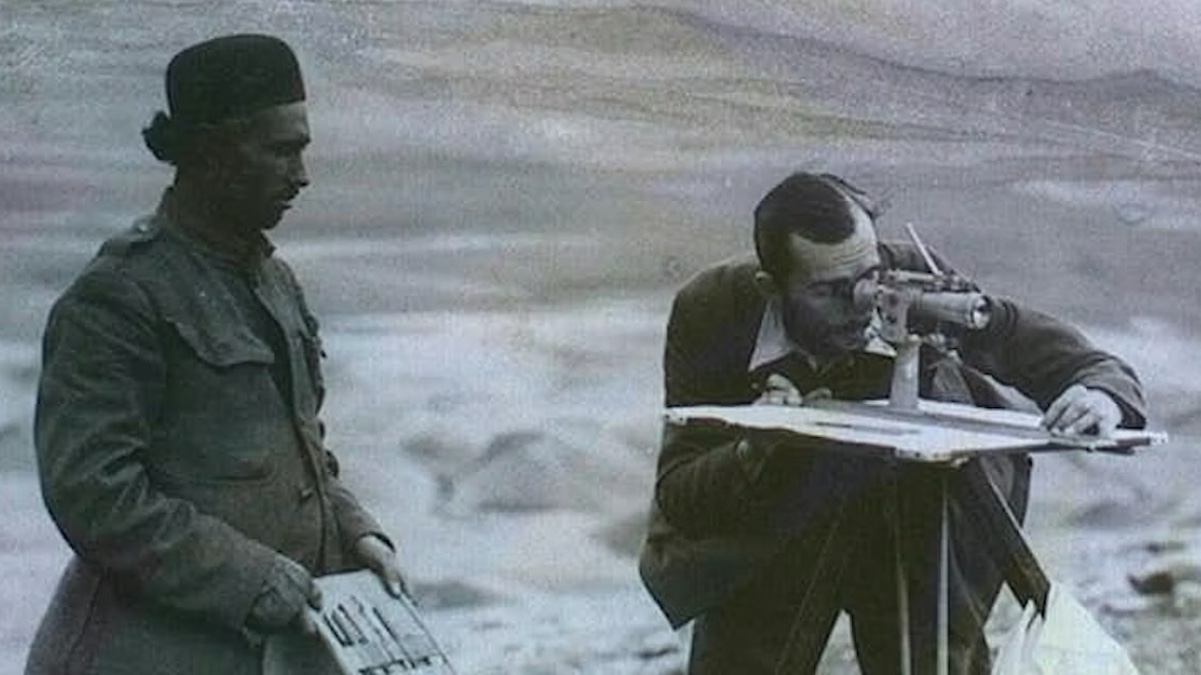
The pivotal moment occurred in May 1908 when British-Australian entrepreneur William Knox D’Arcy financed drillers who struck oil in Persia’s Zagros Mountains. This discovery led to the establishment of the Anglo-Persian Oil Company (later BP) in 1909, which rapidly developed pipeline networks and constructed the massive Abadan Island refinery complex—still Iran’s largest today.
Oil from Abadan began flowing through the Strait of Hormuz to global markets, eventually powering European industry and transportation. The resource’s strategic importance became undeniable when the British government acquired a controlling stake in BP in 1914 to secure Royal Navy fuel supplies during its transition from coal to oil—a move championed by Winston Churchill, who later described the Iranian oil discovery as “a prize from fairyland.”
Post-World War I, BP launched sophisticated marketing campaigns to shape British perceptions of Iran and its oil. The 1925 “Persian Series” combined evocative artwork with narratives of British technological mastery in challenging environments. At the 1924-25 British Empire Exhibition, BP constructed a full-scale replica of an Iranian caravanserai, blending cultural imagery with oilfield equipment displays. The company’s London headquarters featured sculptures of traditionally dressed Iranian figures, symbolizing captured resources from a distant frontier.
This century-long narrative framing—presenting oil as an exotic prize requiring Western technological conquest—has normalized the idea that Western societies are entitled to control Middle Eastern energy resources. This presumption, as noted by scholar Edward Said, has created a repeating cycle of conflict over Iranian oil, from the 1953 overthrow of Prime Minister Mohammad Mossadegh after oil nationalization to current geopolitical tensions.
While contemporary risks have evolved from environmental challenges to nuclear proliferation and market disruptions, the underlying logic remains strikingly familiar: Western military power continues to be deployed to control oil resources under the guise of eliminating threats.