The Trump administration is strategically evaluating the optimal timing for potential military action against Iran, according to current and former U.S. officials familiar with internal discussions. Administration analysts believe time favors American interests as widespread protests against Iran’s Islamic Republic show no signs of diminishing.
The protests, initially sparked by economic discontent in January, have expanded to traditionally supportive rural areas and merchant communities. Iran’s response has reportedly turned exceptionally violent, with Reuters estimating over 2,600 fatalities—potentially making this crackdown the most severe in recent history.
A U.S. official, speaking anonymously, highlighted upcoming symbolic dates—martyrs’ commemorations, Ramadan, the revolution anniversary, and Nowruz (Iranian New Year)—as potential flashpoints. Historical tensions during such periods have previously fueled revolutionary movements, including the 1979 overthrow of the U.S.-backed Shah.
Randa Slim of the Stimson Center’s Middle East Program noted: “This deescalation appears temporary, very much awaiting developments in Iran. I think Trump is betting this regime can’t sustain itself long-term.”
The administration’s deliberative approach reflects Trump’s documented preference for strategic unpredictability. A former official described this as “the weave”—methodically increasing and decreasing pressure while assessing the optimal moment for action.
Military analysts identify Revolutionary Guard Corps bases and Basij militia facilities as likely targets should strikes occur. However, a former senior defense official cautioned against premature action: “If we allow this to play out naturally, we will be able to see who is remaining and what the public wants. Military action now may merely disrupt ongoing clandestine operations.”
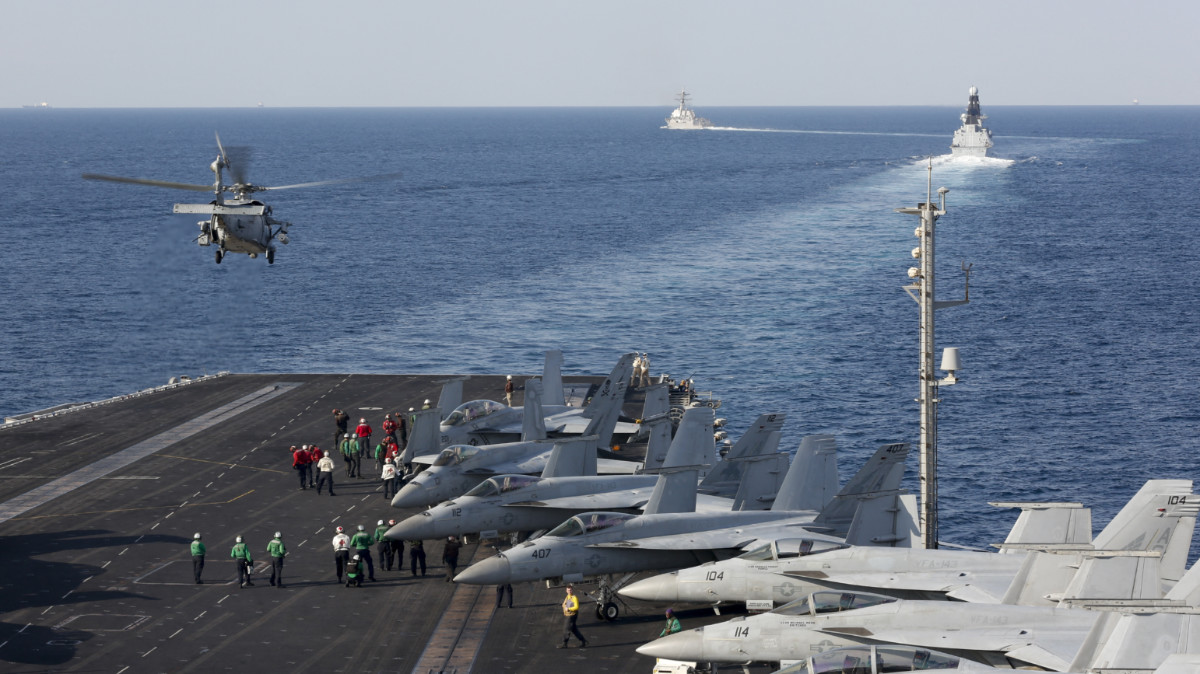
Logistical considerations also factor into the timing calculus. The USS Abraham Lincoln carrier group requires approximately one week to transit from the South China Sea to the Middle East. Additionally, the U.S. must prepare for potential Iranian retaliation against regional bases and ally Israel, whose Prime Minister Netanyahu reportedly requested a postponement of any attack.
Regional diplomacy significantly influences Washington’s calculations. Gulf partners—particularly Saudi Arabia, Qatar, and Turkey—have intensified lobbying against military action. Since Trump’s June strikes on Iranian nuclear facilities, regional powers have taken the threat of American intervention more seriously.
David Schenker of the Washington Institute for Near East Policy concluded: “Everything that has been done is positioning the US to do this. He is signalling that this is coming.” The administration appears to be balancing military preparedness with diplomatic pressures while monitoring Iran’s internal stability.